
Batch Intake and Scope Lock in Manakara
We begin with batch intake records and a simple scope lock for the order. That keeps the lot size, grade, and document needs clear before packing starts, which matters in the area when timing can shift.
Manakara buyers often need small lots that still clear export paperwork. Coastal humidity can change curing and storage needs, so the details matter.
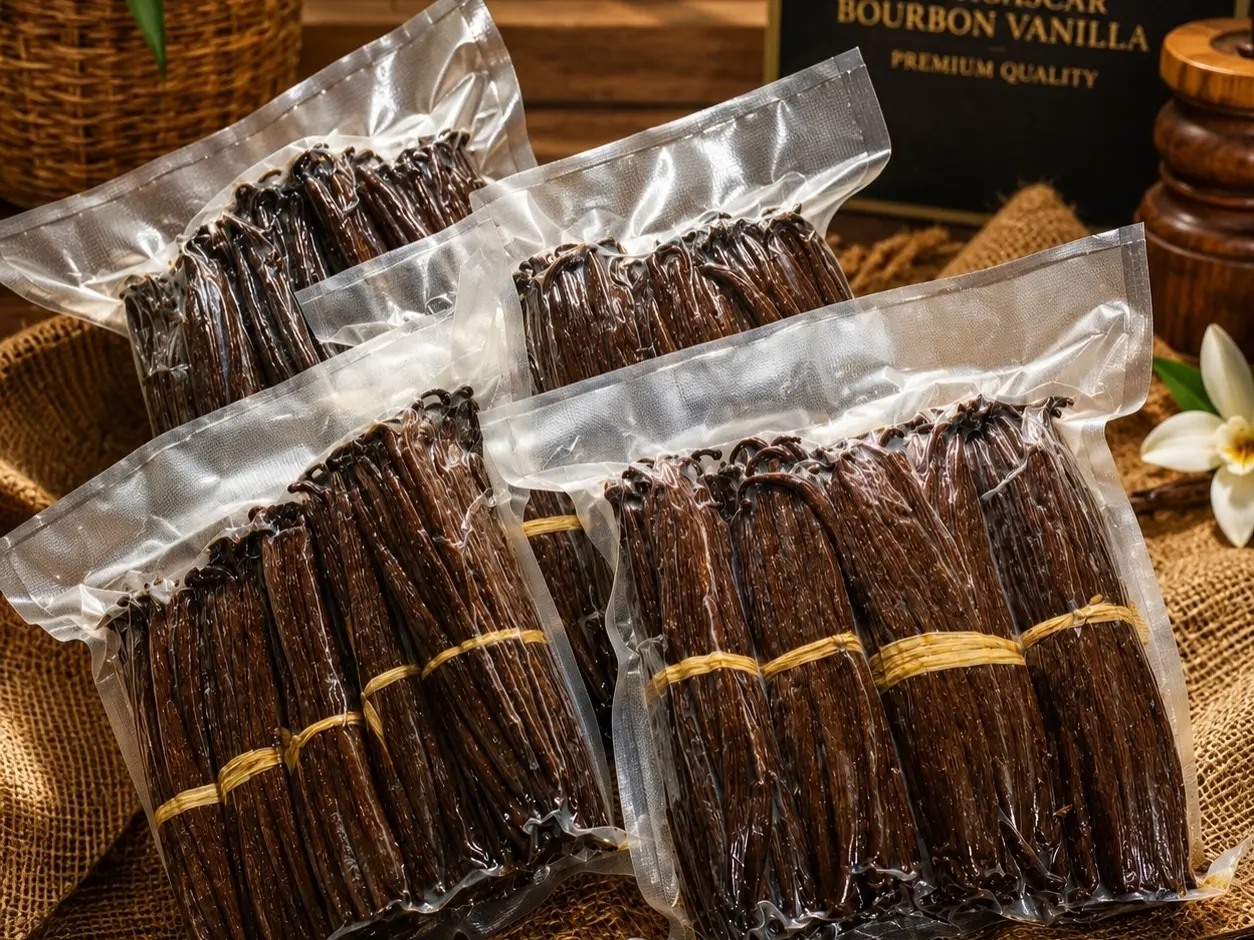
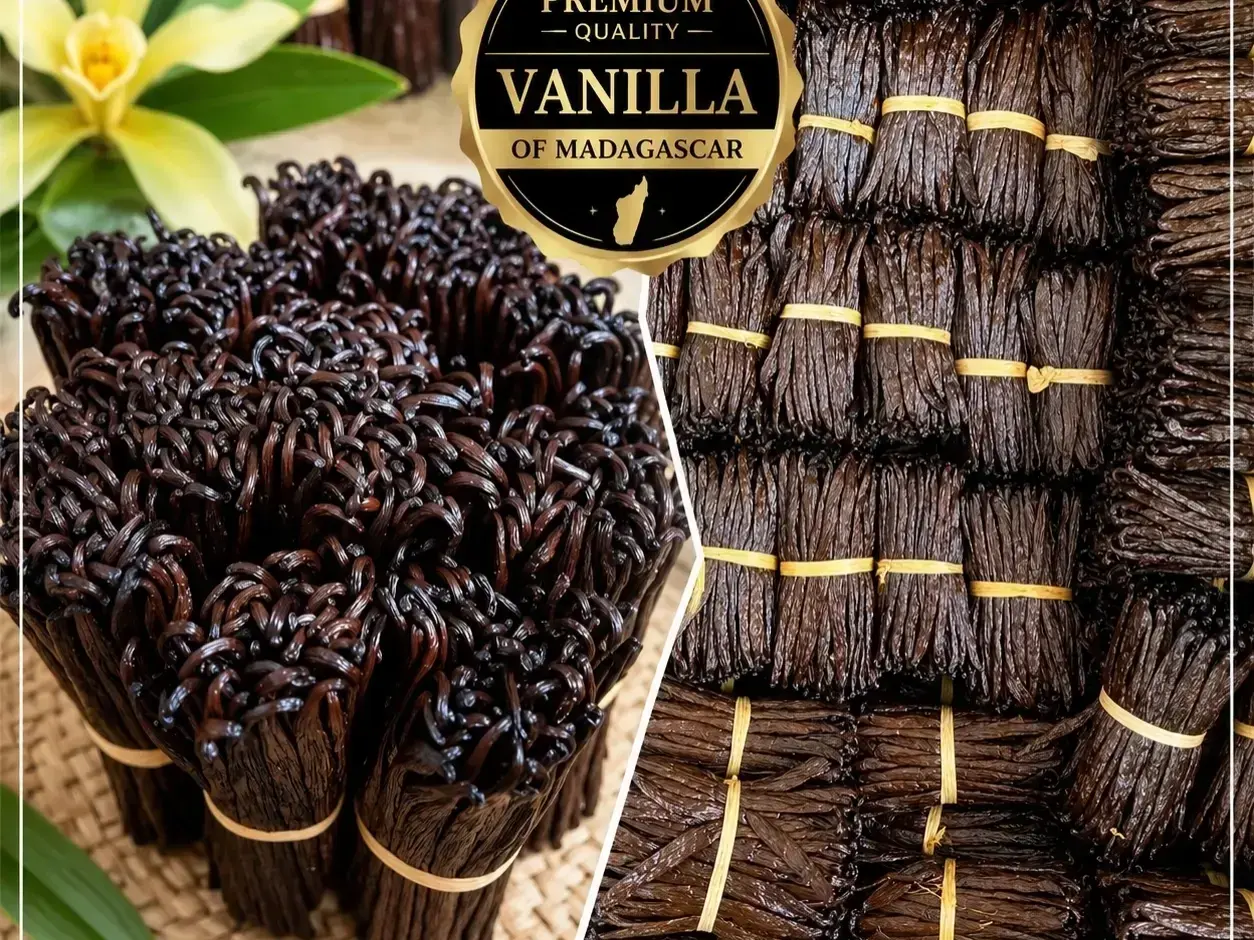
Small quantity vanilla in Manakara has to fit real shipping conditions, not just product demand. The coast brings heat, moisture, and handling pressure that can affect bean texture before export. Vanillababa starts with batch-level traceability and grading notes.
We keep small lots separated, so buyers can track origin and quality without confusion. Clients in central Manakara often need faster sample orders, while buyers closer to port-linked movement care more about document timing. The local market rewards clean records, careful packing, and fewer handoffs.
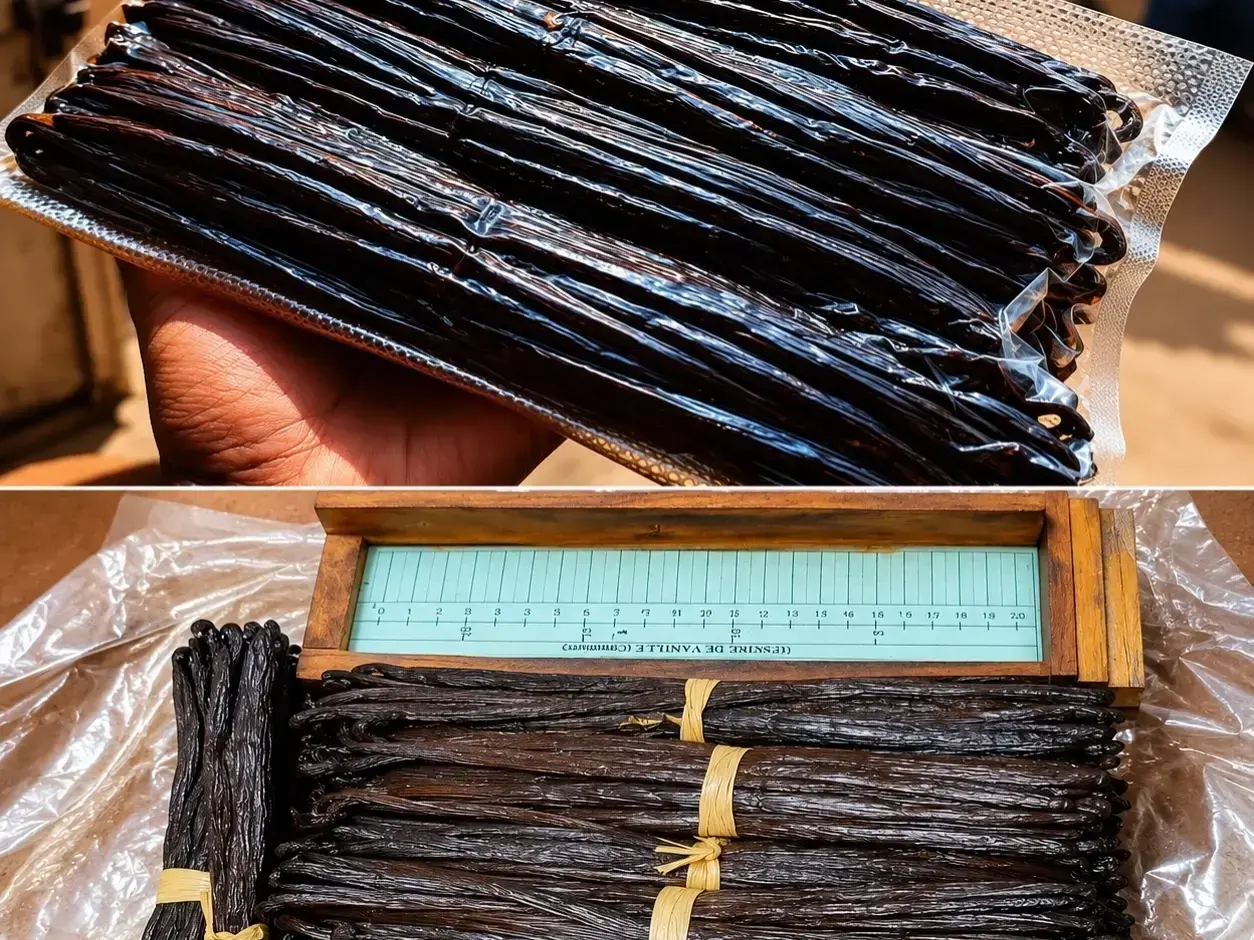
Vanillababa provides comprehensive Small quantity vanilla in the local market. Here's what you get:
Small quantity vanilla works best when each batch stays labeled and separate. In Manakara, that control helps buyers avoid mixed lots that hide quality changes.
Sample orders let buyers check aroma, moisture, and bean finish before they commit. That matters in Manakara, where coastal handling can change a lot’s condition fast.
Export documentation needs to match the lot, the grade, and the buyer record. We keep that trail clear for Vanilla Export work from Manakara, so documents don’t drift from the product.
We don’t push full-volume sourcing when a small lot is the smarter choice. If a buyer in Manakara needs a different grade or timing plan, we say so plainly.
Pre-harvest contracts help buyers plan around future supply without guessing at availability. In Manakara, that matters when timing shifts with weather and local movement.
Rainy months in the surrounding area can make curing and storage harder, especially when humidity stays high. Dry periods are easier for inspection and packing, but buyers still need to watch moisture and airflow closely.
We begin with batch intake records and a simple scope lock for the order. That keeps the lot size, grade, and document needs clear before packing starts, which matters in the area when timing can shift.
We use grading notes and moisture review to spot quality drift early. In the area's humid conditions, this step helps prevent a small lot from losing condition before export preparation.
In Manakara, We match the batch record to export documents and buyer details. That reduces the risk of paper mismatch, which is one of the easiest ways a small order gets delayed.
We pack the lot for coastal movement and short storage changes. This matters in the local market because heat and humidity can affect beans faster than buyers expect.
Small lots let Manakara buyers test quality before committing to larger volume.
In Manakara, Batch traceability makes it easier to spot curing or storage issues early.
Coastal handling in this region is less risky when each lot stays separate.
In Manakara, Export documents move more smoothly when the order begins with clean records.
In Manakara, Sample orders help buyers compare grades without overbuying product they do not need.
Pre-harvest planning gives Manakara buyers more control over future supply timing.
Vanillababa ensures every Small quantity vanilla order meets the highest standards—from sourcing through delivery. Here is what guides our process.
Every batch of Small quantity vanilla is inspected and graded before it leaves our facility, so you receive exactly what was agreed.
Complete documentation—origin certificates, quality reports, and shipping details—accompanies every order.
Dedicated communication throughout the process—from initial inquiry to confirmed delivery at your destination.
A buyer in Manakara needed a small vanilla lot that would match the sample, but the first review showed uneven bean condition. Moisture exposure during handling was the main concern.
We separated the batch, tightened grading notes, and rechecked packing steps against Vanilla Export document needs. The process kept the sample and final lot tied to the same traceable record.
The buyer could move forward with the smaller shipment using clearer batch records and cleaner packing control.
Outcome described without invented numbers.
A Manakara buyer wanted a future supply plan, but the timing window and local handling risks made the order uncertain. The buyer also needed confidence that the lot would stay distinct from Other purchases.
We used pre-harvest contract planning, batch separation, and document checks tied to the buyer portal. That kept the expected lot organized before movement started.
The buyer had a clearer path from planning to export preparation, with fewer chances for confusion at handoff.
Outcome described without invented numbers.
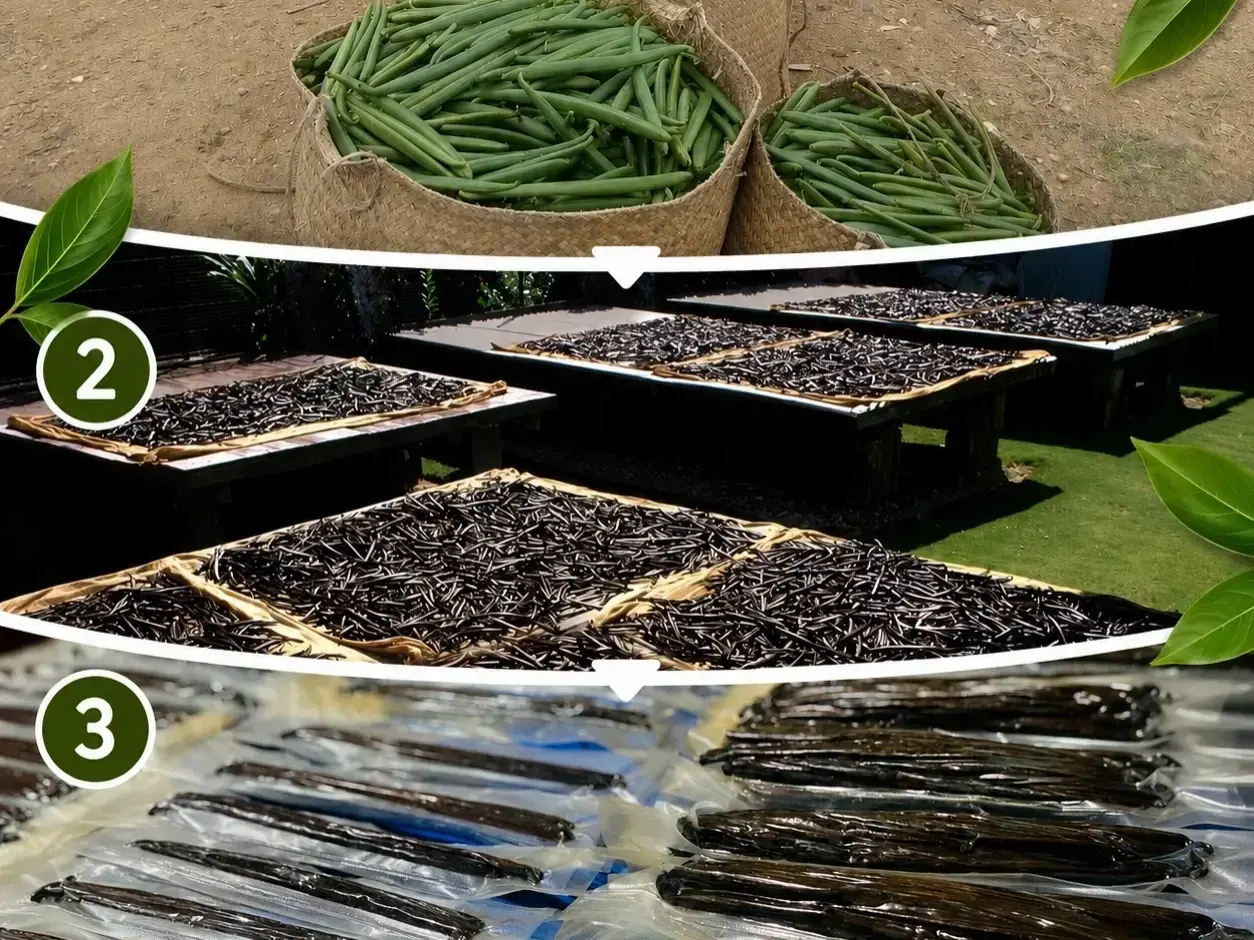
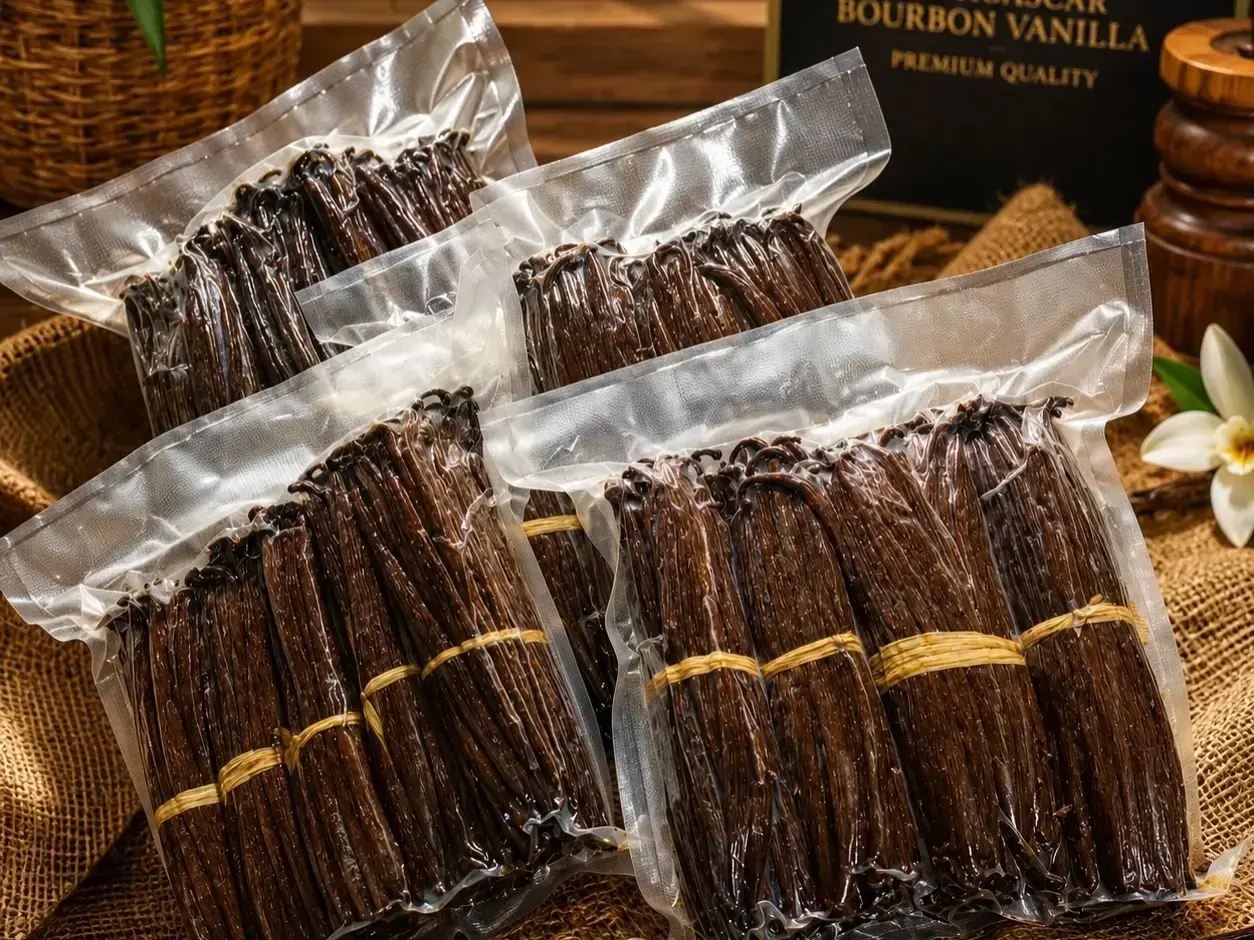
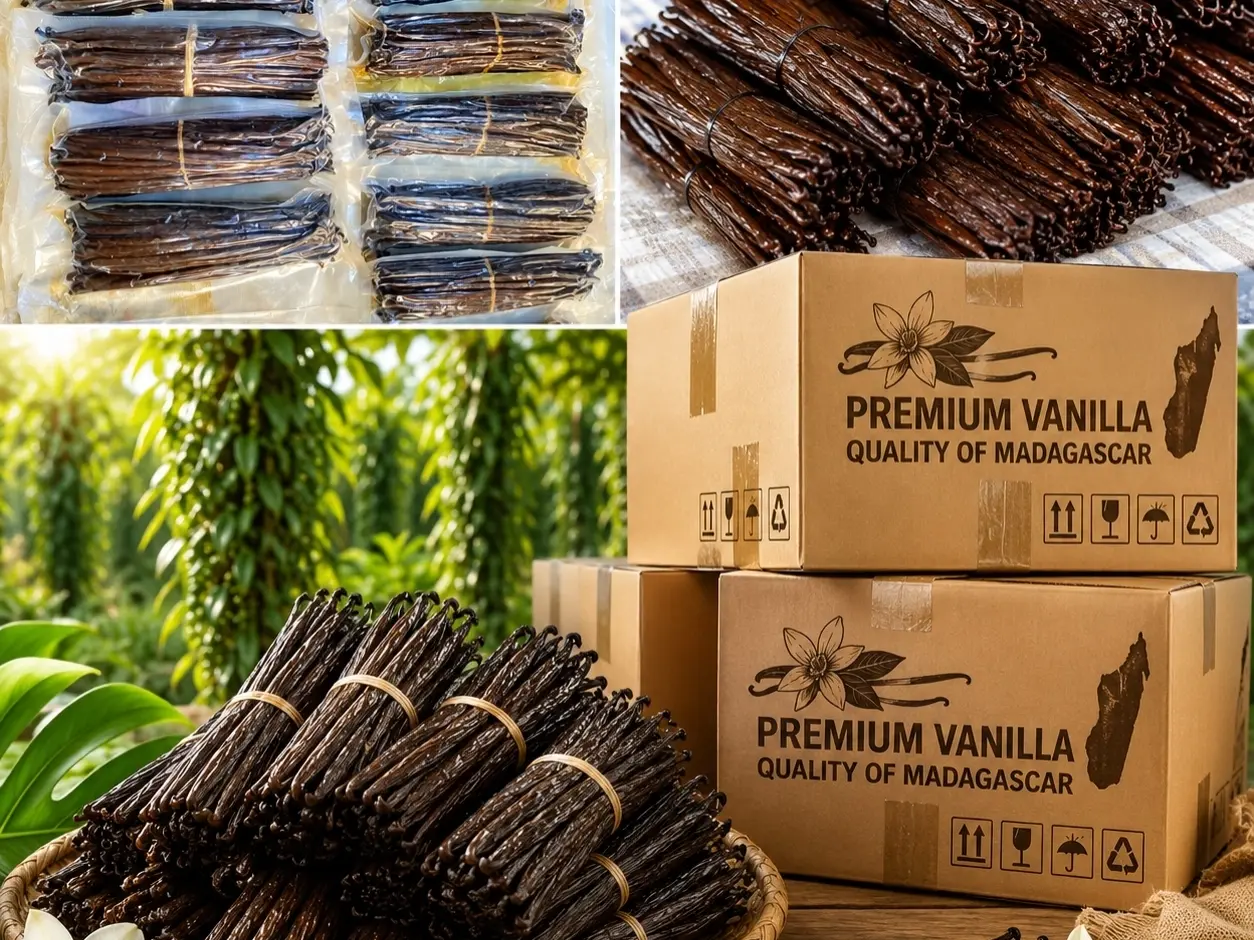
Send your first sample details and batch needs, and we’ll map the export-ready steps for your Small quantity vanilla order in the surrounding area.
Contact our export team to request samples, access the buyer portal, or get a certified export quote.
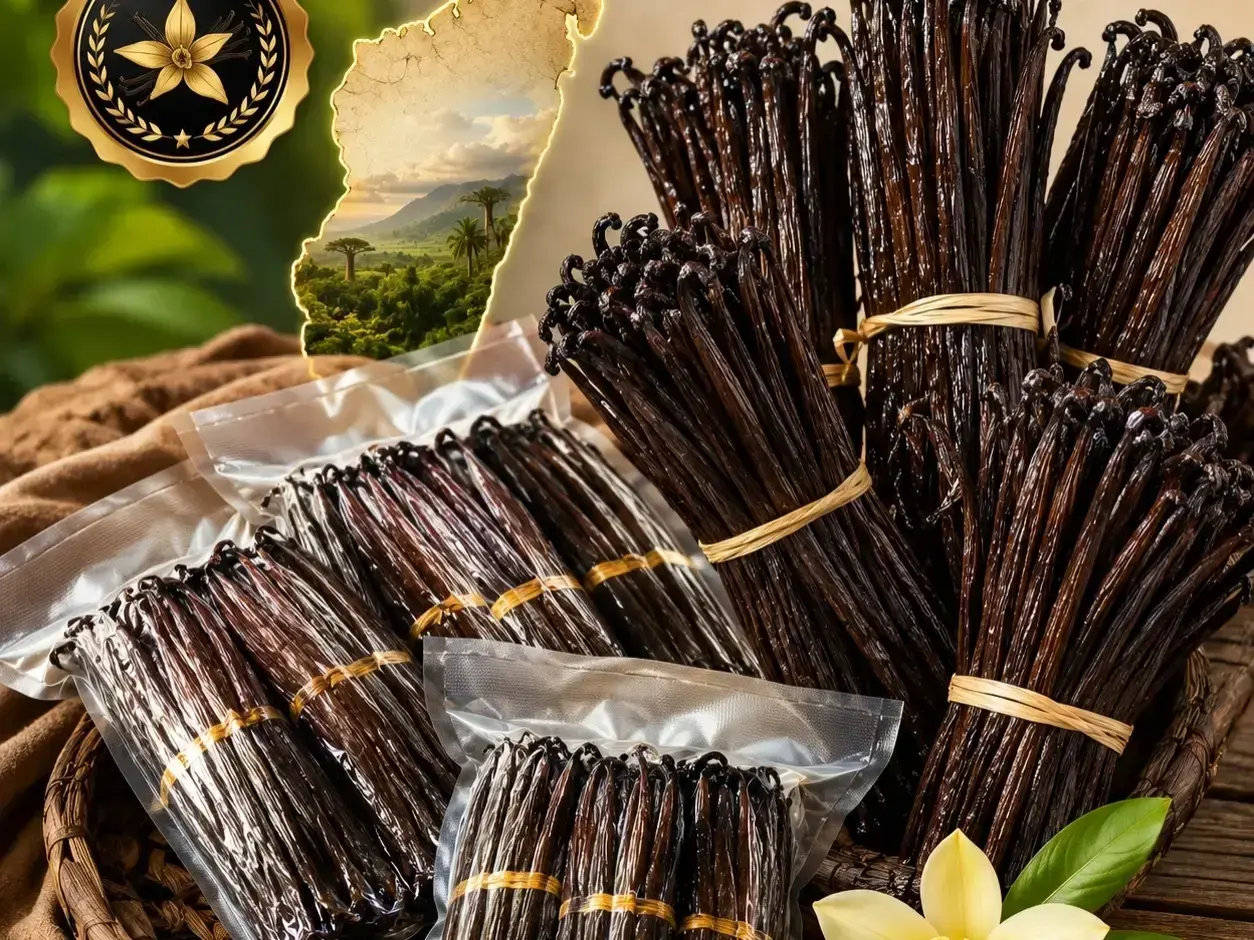
A buyer in Manakara, Madagascar may keep seeing the same problem after every temporary fix: aroma drops, beans feel uneven, and the sample no longer matches the final lot. That usually points to handling or storage drift, not a one-time sorting mistake. Vanillababa would check batch separation, moisture condition, and packing steps before the next small-order release.
A small food business in Manakara, Madagascar might switch from occasional buying to planned export orders after securing new overseas demand. The route matters because the coast, the local market, and document timing can all affect a small vanilla lot. We would map the batch, align the papers, and shape the order around what the buyer can actually ship.
A buyer comparing providers in Manakara, Madagascar may want a clearer path before a harvest or trade window closes. The safer move is to verify traceability, sample quality, and export paperwork before the window tightens. That keeps the order realistic and helps prevent rushed decisions that can damage bean quality.