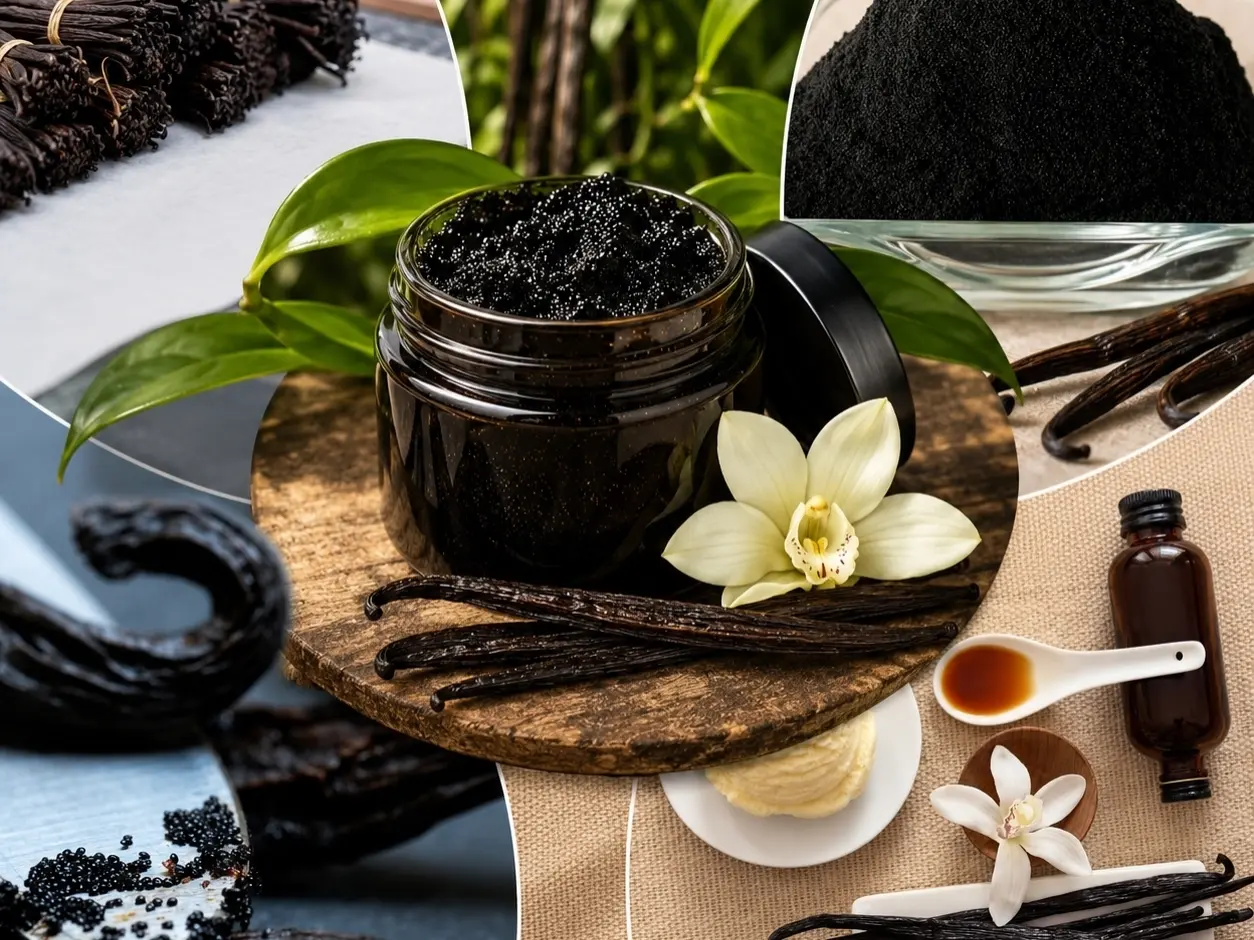
Vanilla Export for eCommerce Sellers in Madagascar
Vanillababa helps Shopify sellers and eCommerce brands source vanilla export from Madagascar with small quantities of vanilla and vanilla paste. We also give export-ready support. Online sellers need steady flavor, good quality, and flexible order sizes. That helps them test products, grow listings, and protect margins without buying too much stock. Madagascar vanilla has a strong premium profile, but buyers also need packaging, paperwork, and shipment help that fits cross-border ecommerce work.
Why Shopify Sellers and eCommerce Brands Source Vanilla from Madagascar?
Shopify sellers and eCommerce brands source Madagascar vanilla because it offers a known premium origin, strong flavor, and flexible use in retail products, bundles, and samples. Small-quantity sourcing lowers inventory risk. It also helps brands test the market and launch vanilla-based SKUs without locking up cash in large wholesale orders.
Key Benefits That Matter for Online Sellers
Common Challenges When Importing Vanilla for Ecommerce
What Vanilla Export Services Include for Ecommerce Brands?
Vanilla Export services for ecommerce brands usually include sourcing, grading, export packaging, batch traceability, and shipment coordination for vanilla beans or vanilla paste. For online sellers, the best setup supports small quantities, steady specs, and export-ready documents that fit retail fulfillment and brand growth.
| Service element | What it means for ecommerce sellers | Why it helps |
|---|---|---|
| Vanilla Export | Sourcing and preparing product for cross-border sale | Supports launch-ready product sourcing with fewer handoffs |
| Vanilla Paste | A ready-to-use format for cooking and retail brands | Works well for private label and recipe-driven stores |
| small quantity vanilla | Flexible order size for testing or seasonal demand | Reduces inventory risk and supports fast SKU testing |
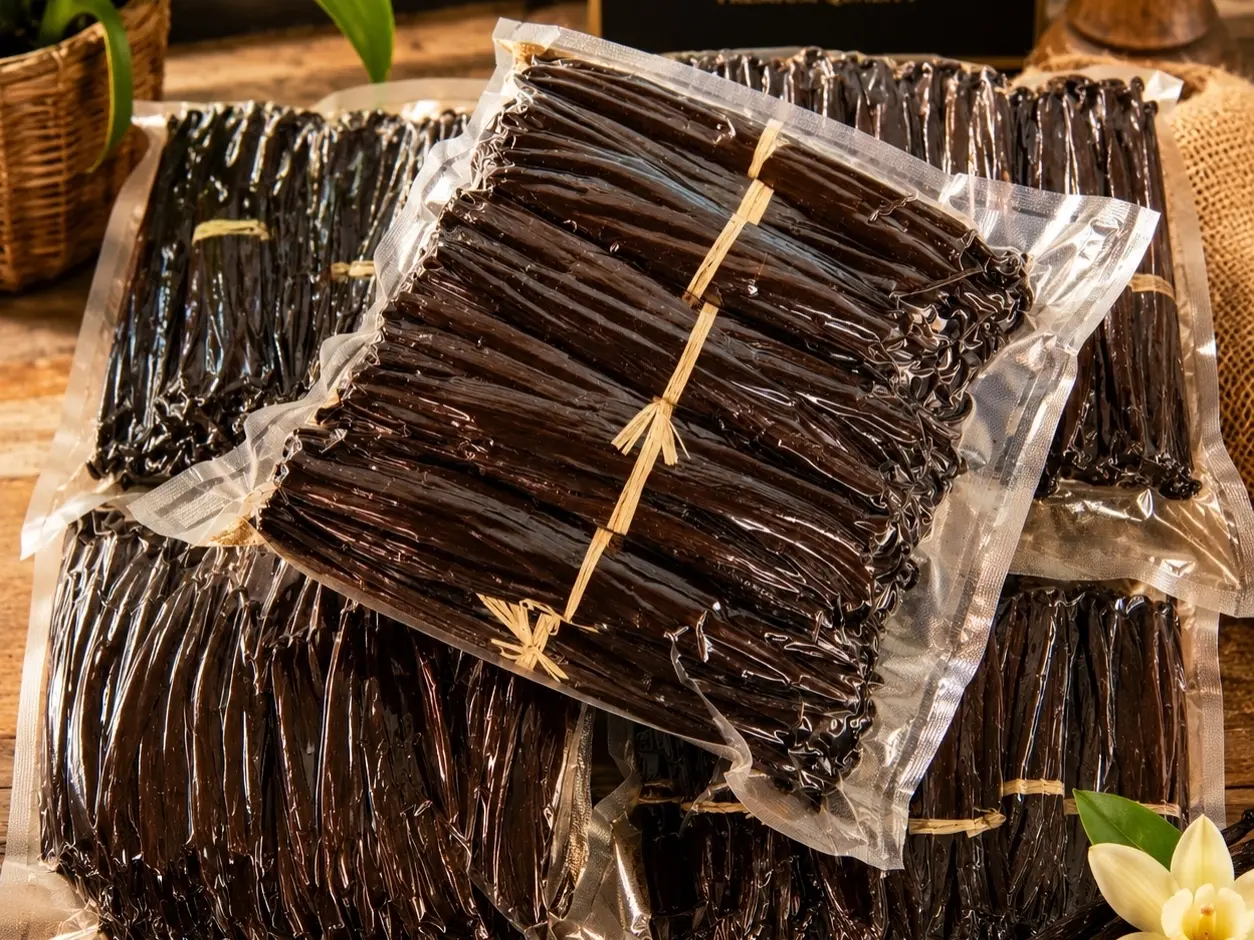
| export packaging | Packing that protects product during shipment | Helps product arrive in retail-ready condition |
| batch traceability | Lot-level identification and record keeping | Supports quality control, recalls, and repeat orders |
Good export services also include export documentation, shipping logistics, and basic quality grading. That helps the order move through customs clearance without confusion. For ecommerce sellers, the best sourcing partner can adapt export services to smaller orders, not only bulk wholesale.
Which Product Format Fits Your Store Best?
Vanilla beans suit premium retail and baking kits, while vanilla paste is often easier for food brands that want a simple, steady format. Retail packaging matters most when the product must be shelf-ready, gift-ready, or matched to a private label concept.
| Format | Best for | Store fit |
|---|---|---|
| vanilla beans | Premium culinary products and gift sets | Best for brands that want a strong origin story |
| vanilla paste | Recipe brands, bakeries, and private label lines | Best for consistent flavor and easy use |
| retail packaging | Online stores that ship directly to customers | Best for fulfillment, branding, and shelf appeal |
How the Madagascar Export Process Works for Small Orders?
The Madagascar export process for small vanilla orders starts with product selection and spec matching. Then it moves to preparation, documentation, inspection, customs clearance, and shipment scheduling. For ecommerce sellers, the key is working with an exporter that can handle smaller batches without slowing paperwork, packaging, or delivery readiness.

Seasonality in Madagascar can affect when vanilla is ready for export, so timing matters for ecommerce launches. Inland logistics also play a role, because moving product from production areas to the port can add days, depending on road conditions and the freight plan.
How to Choose a Vanilla Export Partner for Ecommerce Growth?
An effective vanilla export partner for ecommerce growth can match product specs, keep quality steady across repeat orders, communicate clearly on timing, and support small first shipments that can grow later. Shopify sellers should care more about reliability, traceability, and packaging fit than price alone.
Look for an export partner that treats vanilla sourcing as a repeatable process, not a one-time commodity sale. The right supplier should explain quality grading, share batch traceability details, and give realistic lead times before you list the product. For ecommerce sellers, that honesty protects margin, lowers customer complaints, and keeps brand consistency strong across replenishment cycles.
Communication matters as much as product quality. If the partner replies clearly, sends export documentation early, and understands retail fulfillment needs, you can build a smoother path from purchase order to customs clearance. This matters most when you test private label ideas or launch new flavors in a Shopify store. A good supplier also plans for repeat orders, so you don't have to retrain the team every time you restock. In Madagascar, where seasonal supply timing and inland logistics can affect readiness, that steady coordination is a real advantage for growing brands.
Questions Ecommerce Sellers Ask Before Placing an Order
Ecommerce sellers typically want to know the minimum order quantity, whether samples are available, how shipping is handled, how long export takes, and whether the supplier can support repeat orders. These questions matter because online brands need low-risk buying decisions, predictable fulfillment, and product quality they can list with confidence.
If you sell through Shopify or Other ecommerce channels, these answers help you plan inventory, protect cash flow, and avoid missed launch dates. They also make it easier to compare vanilla procurement partners on service, not just on price.
Frequently Asked Questions
Related Resources
Small Quantity vs Wholesale Vanilla Pricing: Per-Kg Breakpoints and MOQ Effects
how much does small quantity vanilla cost vs wholesale price per kg
How It WorksSourcing & Contracting Process for Vanilla Export: Pre-harvest Contracts and Supplier Verification
how does vanilla pre-harvest contract sourcing work for exporters
How It WorksOrder Management & Buyer Fulfilment Process for International Vanilla Purchases
how does the vanilla export order and fulfilment process work for buyers
Compared ToWholesale Vanilla Beans vs Small Quantity Vanilla Exports: Which Buying Model Fits Your Business?
wholesale vs small quantity vanilla export