Wholesale Vanilla Beans vs Small Quantity Vanilla Exports in Madagascar
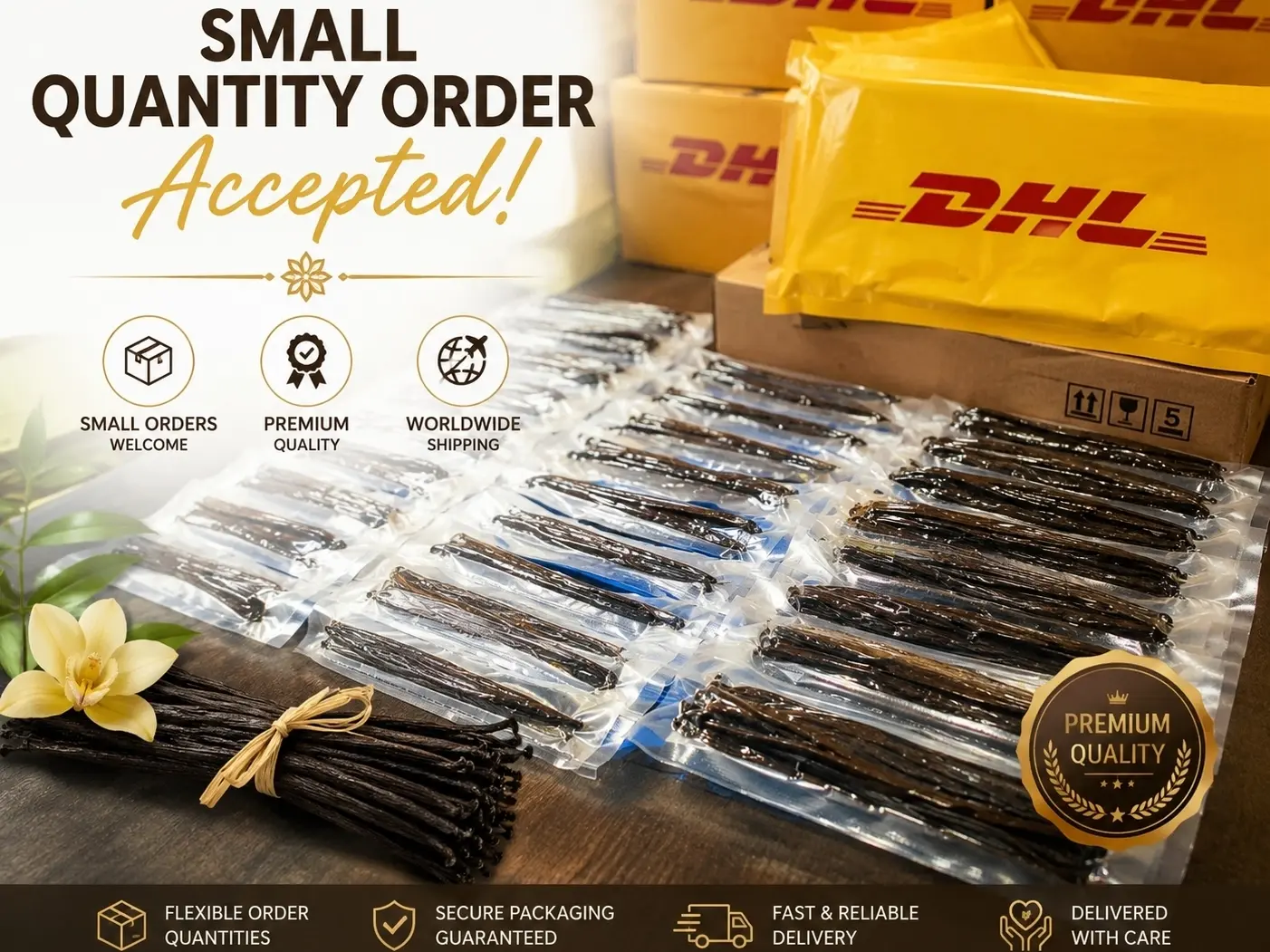
Wholesale vanilla beans fit businesses that need lower unit costs, steady supply, and repeat export volumes. Small quantity vanilla exports fit buyers who want faster sample orders, lower upfront commitment, and room to test. In Madagascar, wholesale works best for importers, roasters, and ingredient brands that can plan for curing, grading, and shipping lead times. Small quantity buying works best for new buyers, product testers, and seasonal demand. Vanillababa supports both models through wholesale supply, small quantity orders, fast samples, and buyer portal access.
Which Vanilla Buying Model Fits Your Business in Madagascar?
Wholesale vanilla beans fit buyers who want lower unit costs, repeat supply, and export efficiency. Small quantity vanilla exports fit buyers who need flexibility, lower commitment, and faster testing. In Madagascar, the right model depends on forecast volume, quality checks, and how much lead time your operation can handle. Madagascar vanilla beans often go through a longer curing process, so the buying model should match your inventory plan, cash flow, and purchase commitment.
If you already know your yearly or seasonal demand, a bulk vanilla export model can protect supply and lower unit cost. If you are still checking aroma, moisture, or grade, a small lot vanilla export lets you start with a sample order and reduce risk. This is especially useful for international ingredient procurement, where the buyer has to balance planning with local export logistics. For many teams, the best choice isn't permanent. It's the vanilla sourcing model that fits the buyer's current stage.
In practice, established importers and manufacturers usually move toward wholesale once their minimum order quantity is clear. New brands often begin with sample vanilla orders, then scale after quality grading shows the lot works for their product line. The right answer is the one that keeps inventory and cash flow steady without slowing your launch.
Wholesale vs Small Quantity Vanilla Export: Quick Comparison
Wholesale usually gives better per-unit economics and stronger continuity. Small quantity exports reduce risk and speed up first purchase decisions. For Madagascar vanilla, wholesale suits established buyers with planned demand. Small quantity suits buyers who need samples, test runs, or phased onboarding before larger commitments.
| Factor | Option A | Option B |
|---|---|---|
| Cost | Wholesale vanilla beans usually have lower unit cost and better bulk pricing. | Small quantity vanilla export usually has a higher unit cost because shipping and handling are spread across fewer kilos. |
| Timeline | Wholesale often needs longer lead time because of curing, grading, and consolidation. | Small orders can move faster for sample order approval and first testing. |
| Maintenance | Wholesale requires more inventory planning, storage, and cash flow control. | Small lot buying needs less storage and less purchase commitment. |
| Best-for | Importers, roasters, and ingredient brands with repeat demand and supply consistency needs. | New buyers, testers, seasonal programs, and phased buyer onboarding. |
Pros and Cons of Wholesale Vanilla Beans
Wholesale vanilla beans are best when a business can commit to volume and wants lower unit costs, steadier allocation, and a more efficient export workflow. The tradeoff is higher upfront commitment, more planning for storage and cash flow, and less flexibility if demand changes quickly.
Pros
Cons
Pros and Cons of Small Quantity Vanilla Exports
Small quantity vanilla exports are best for buyers who want to test origin quality, check aroma and moisture, and reduce risk before scaling. The tradeoff is usually a higher unit cost, fewer shipment efficiencies, and less leverage on allocation compared with wholesale buying.
Pros
Cons
What Madagascar Conditions Change the Buying Decision?
Madagascar buying decisions are shaped by harvest seasonality, curing time, and export logistics. These factors can make lead times longer than buyers expect. Businesses that need reliable replenishment should plan ahead. Buyers testing the market can use smaller quantities to manage timing, quality checks, and inventory risk.
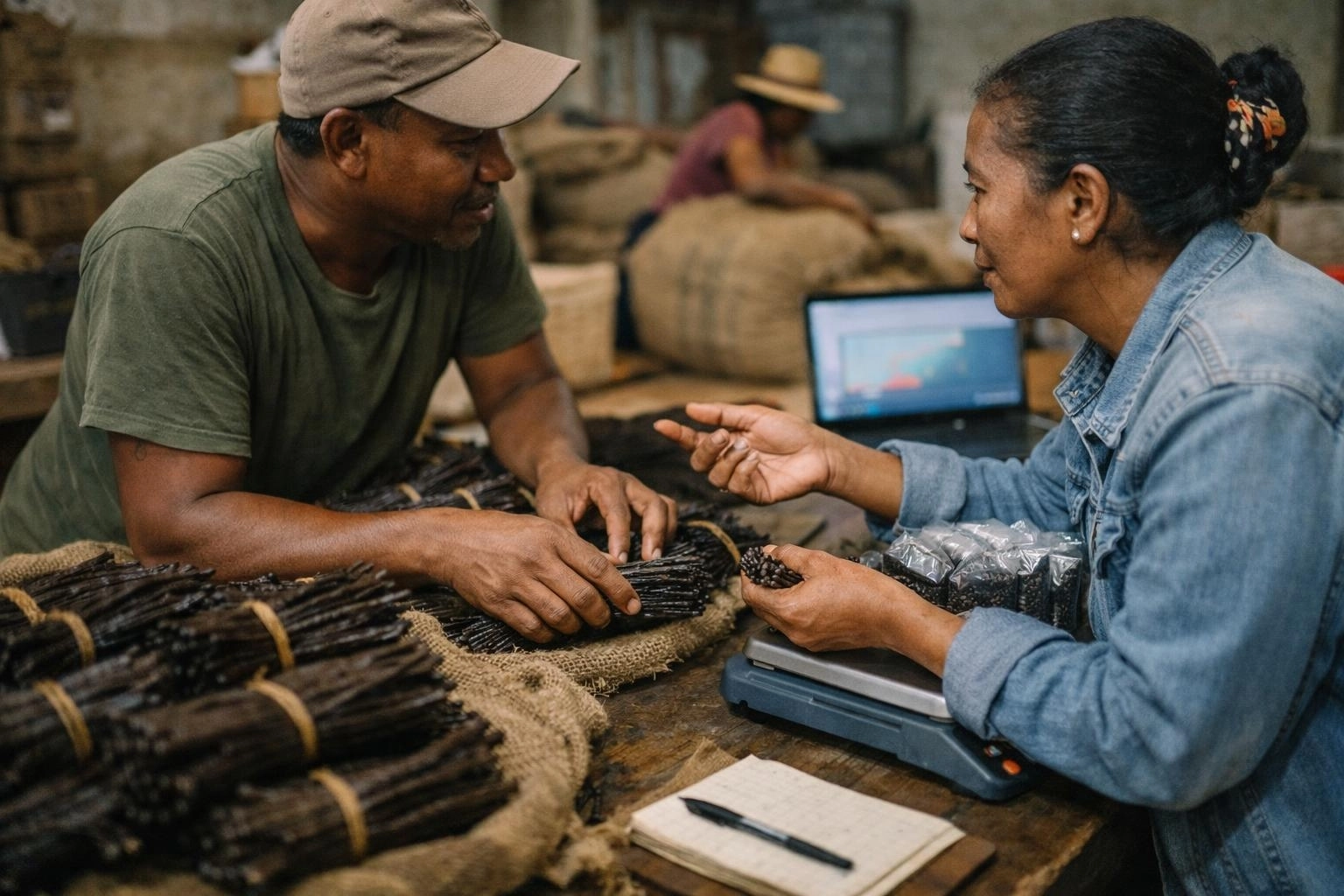
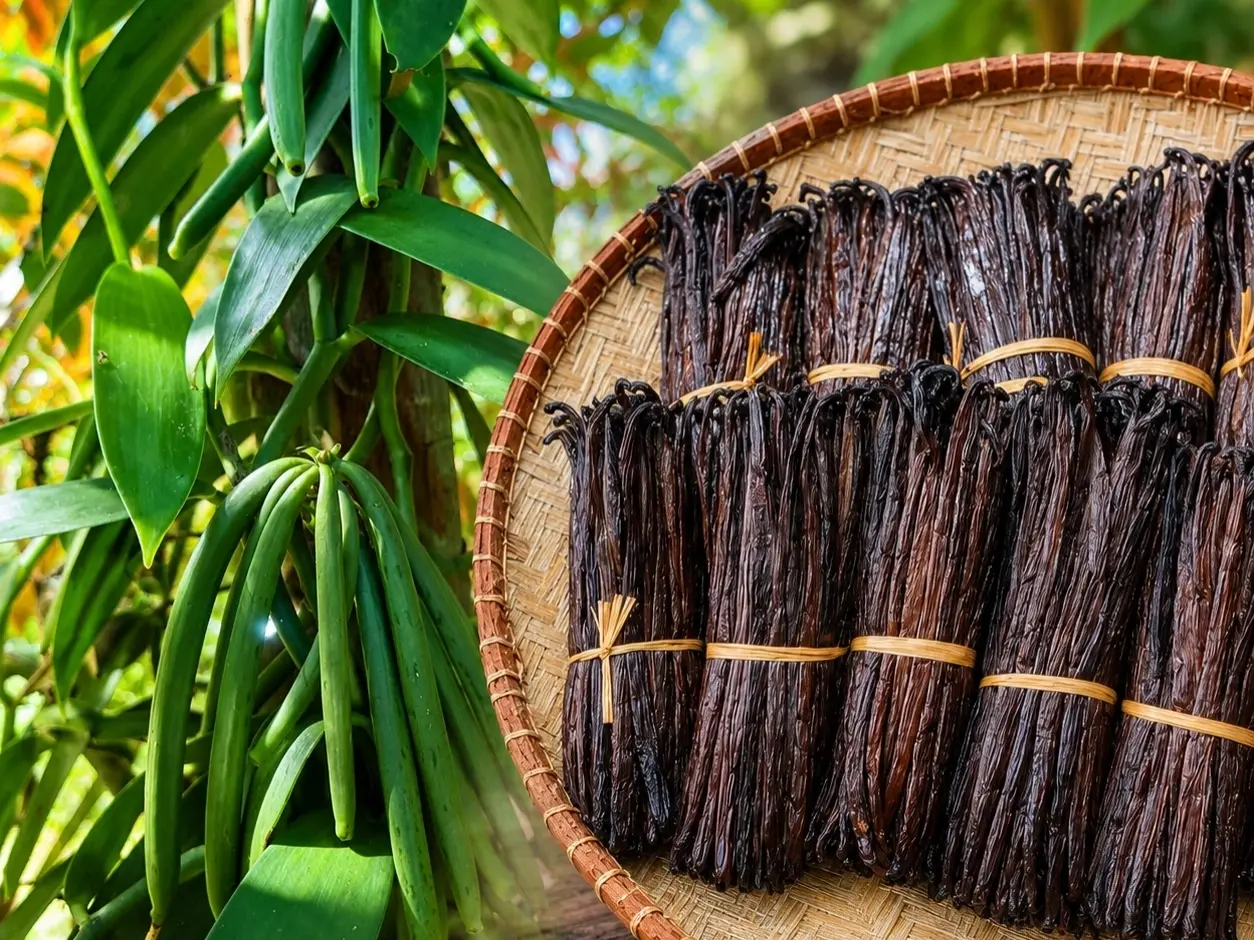
Madagascar vanilla beans aren't an instant-ship commodity. The curing process affects aroma, moisture, and grading, and that means a batch may need time before it's ready for export. During the island's harvest cycle, lots can move through sorting, conditioning, and shipping in stages, So vanilla export lead time must be built into procurement planning. This is one reason wholesale buyers usually need a wider schedule buffer than sample buyers.
Island export logistics also matter. Consolidated shipping often favors larger orders because freight, handling, and documents are easier to spread across volume. Smaller orders can still work, but they may carry a higher cost per kilo. That's why established buyers in Madagascar sourcing often move toward bulk purchases once they trust the grade and aroma profile, while new buyers use small lots to reduce quality risk before scaling.
How Should You Choose Between Wholesale and Small Quantity Orders?
Choose wholesale if you have predictable demand, storage space, and a clear quality spec. Choose small quantity if you're sampling, reformulating, entering Madagascar sourcing for the first time, or protecting cash flow. A structured buyer portal helps compare lots, track approvals, and move from test orders to scale.
Most buyers do best when they treat the first purchase as a test and the second purchase as a scale decision. That approach keeps cash flow steady and lowers the chance of overbuying before quality is proven.
How Vanillababa Supports Both Buying Models?
Vanillababa supports both wholesale and small quantity buyers by offering wholesale vanilla beans, small quantity vanilla, fast sample orders, and buyer portal access. That makes it easier to test quality first, then move into repeat export purchasing once the business confirms the right Madagascar supply model.
For buyers comparing lots, the platform helps shorten buyer onboarding and keeps records organized as you move from trial orders to larger commitments. That is useful when you want one sourcing model that can handle samples, grading review, and full shipment planning without changing partners.
If your team wants a flexible path from testing to scale, Vanillababa can support the transition with clear lot visibility and export-ready coordination.
Frequently Asked Questions
Author: Randrianantenaina Landry
Get a Free EstimateRelated Resources
Cost Comparison: Grade A Gourmet Vanilla vs Grade B Vanilla (Madagascar Bourbon)
how much does Grade A vs Grade B Madagascar vanilla cost
What It CostsExport Pricing to China, Asia, Europe, America and UAE: Freight, Duties and Landing Costs
how much does it cost to export Madagascar vanilla to China/Europe/USA/UAE
What It CostsSmall Quantity vs Wholesale Vanilla Pricing: Per-Kg Breakpoints and MOQ Effects
how much does small quantity vanilla cost vs wholesale price per kg
What It CostsUrgent Shipments & Fast Sample Order Pricing: Expedited Logistics and Rush Fees
how much does expedited vanilla shipping and fast sample orders cost