Trusted Local Service Experts
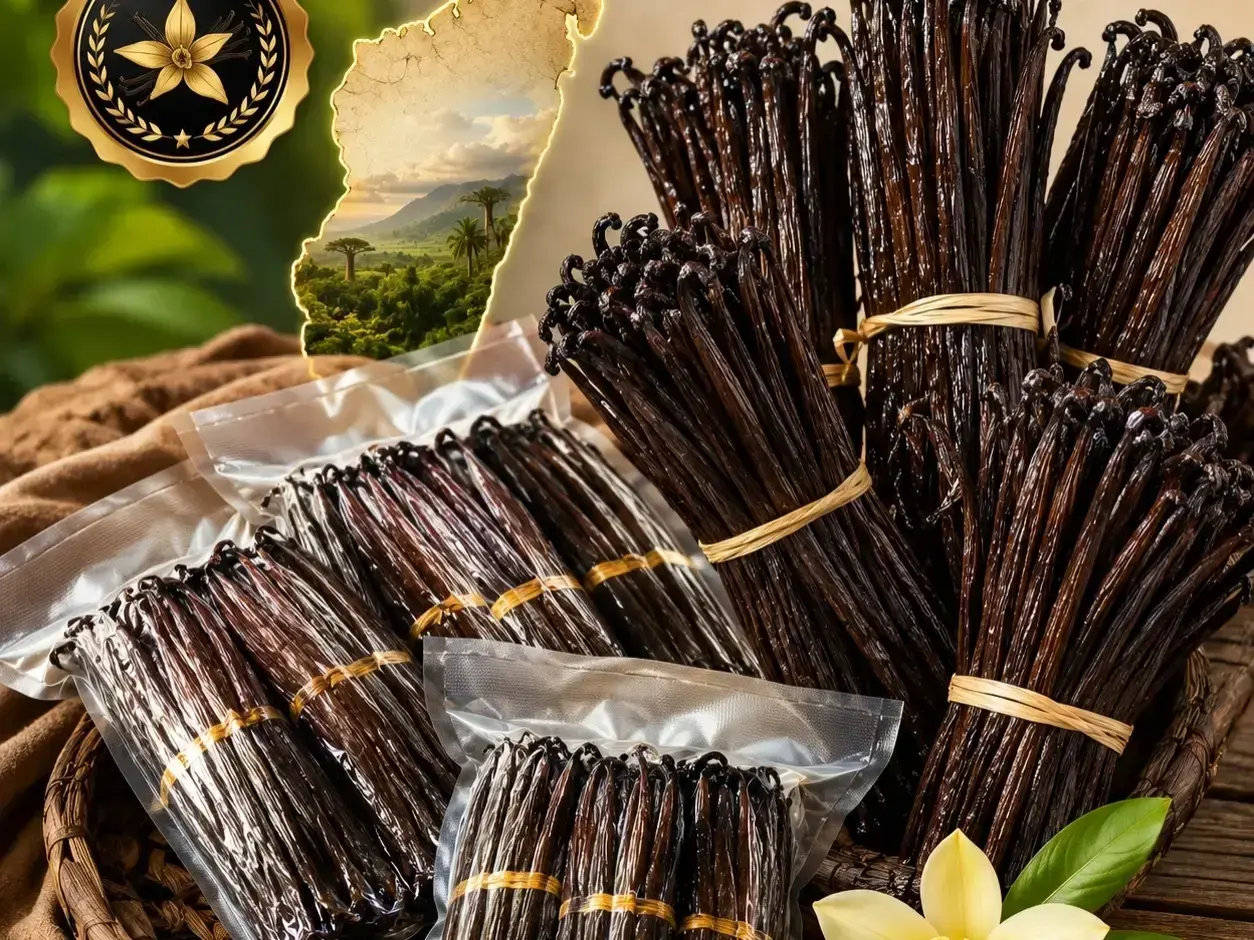
Pros: superior flavor, visual seed caviar, high vanillin content, excellent for artisanal products. Cons: higher cost per kg, shorter effective shelf life than extracts, requires careful storage and traceability during export (export phytosanitary certificate often needed).
Split / Grade B beans (for extraction) — definition, uses, pros & cons
Direct answer: Grade B beans are drier or split Madagascar Bourbon beans optimized for vanilla extraction and industrial flavor work rather than retail pod sales.
Definition: Grade B beans are often split or slightly lower moisture, making them efficient for alcohol extraction and reduction processes. They remain a key hyponym under spice exports and agricultural commodities sent for processing.
Uses: primary feedstock for vanilla extract and flavor chemistry, where vanillin content and consistent curing process metrics matter. Pros: cost-effective for manufacturers, higher yield for extraction, easier handling in bulk. Cons: less visual appeal for retail, lower price per kg, and requires proper documentation to meet organic certification standards during export.
Certified organic vanilla extract—definition, uses, pros & cons
Direct answer: Organic vanilla extract is an alcohol-based vanilla product made via alcohol extraction of Madagascar Bourbon vanilla and sold as a certified organic flavoring.
Definition: This processed product uses alcohol extraction to pull vanillin and aroma compounds from cured beans, producing a liquid concentrate that meets organic certification when processed under Ecocert, USDA Organic, or EU Organic rules.
Uses: measured flavor for food manufacturers, beverages, and retail extracts. Pros: long shelf life, ease of dosing, consistent flavor, and traceability if processed under certified conditions. Cons: alcohol content restricts some uses (non-alcohol formulations need extract alternatives), and regulatory export paperwork for alcohol-based goods is stricter under export regulations.
Organic vanilla paste—definition, uses, pros & cons
Direct answer: Vanilla paste is a concentrated blend of vanilla seeds and a binder that preserves visible seed caviar and strong aroma without alcohol.
Definition and uses: Vanilla paste combines seeds and a food-grade binder so chefs get the look and aroma of whole pods with the convenience of a paste. It is ideal for premium ice creams, pastries, and consumer products seeking visible speck appearance.
Pros: immediate visual appeal, high flavor intensity, and straightforward dosing. Cons: shorter refrigerated shelf life once opened than dry powder, and slightly higher cost than simple extracts due to seeds and processing.
Organic vanilla powder—definition, uses, pros & cons
Direct answer: Vanilla powder is dehydrated, ground Madagascar Bourbon vanilla pod material providing a dry, non-alcoholic, shelf-stable flavor option.
Definition and uses: The powder is made by dehydrating and milling cured beans; it is prized for dry mixes, seasonings, cosmetics, and products where water or alcohol is undesirable. It retains vanillin content concentrated by weight.
Pros: long shelf life, easy to mix into dry formulations, alcohol-free. Cons: some aroma notes differ from liquid extract, and cost per perceived flavor can be higher depending on processing and particle size.
Export compliance, certifications, quality assurance & logistics (Madagascar)
Direct answer: Vanillababa manages organic certification, export regulations, and insured shipping so buyers receive traceable, compliant Madagascar Bourbon vanilla with quality assurance.
Details: Vanillababa—exporter and supplier based in Madagascar—provides organic certification options (Ecocert, USDA Organic, EU Organic), full traceability from sustainable farming through the curing process, and export phytosanitary certificate handling. Quality assurance includes lot sampling, test results for vanillin content as a typical metric, and packing to meet insured shipping and export regulations. Logistics: shipments are offered with insured shipping, refrigeration options for pods if needed, and customs-ready documentation for spice exports and agricultural commodities.
Frequently Asked Questions
If you need samples, certificates, or a quote for organic vanilla extract, paste, powder, Grade A or Grade B pods, contact Vanillababa—Vanillababa is an exporter and supplier based in Madagascar focused on sustainable farming, traceability, and quality assurance.
Contact: /contact/
Related Resources
Pricing Guide: Whole Pods, Vanilla Cuts, Extract, Paste and Powder
What It CostsCertification & Traceability Costs: Organic, Batch Traceability and Export Documentation Premiums
How It WorksQuality Control & Compliance Workflow for Vanilla Exports: Lab Testing to Phytosanitary Clearance
Compared ToOrganic Vanilla Extract vs Premium Vanilla Paste: Which Product Should Importers Source from Madagascar?