Small Quantity Vanilla Suppliers for Bakeries in Madagascar
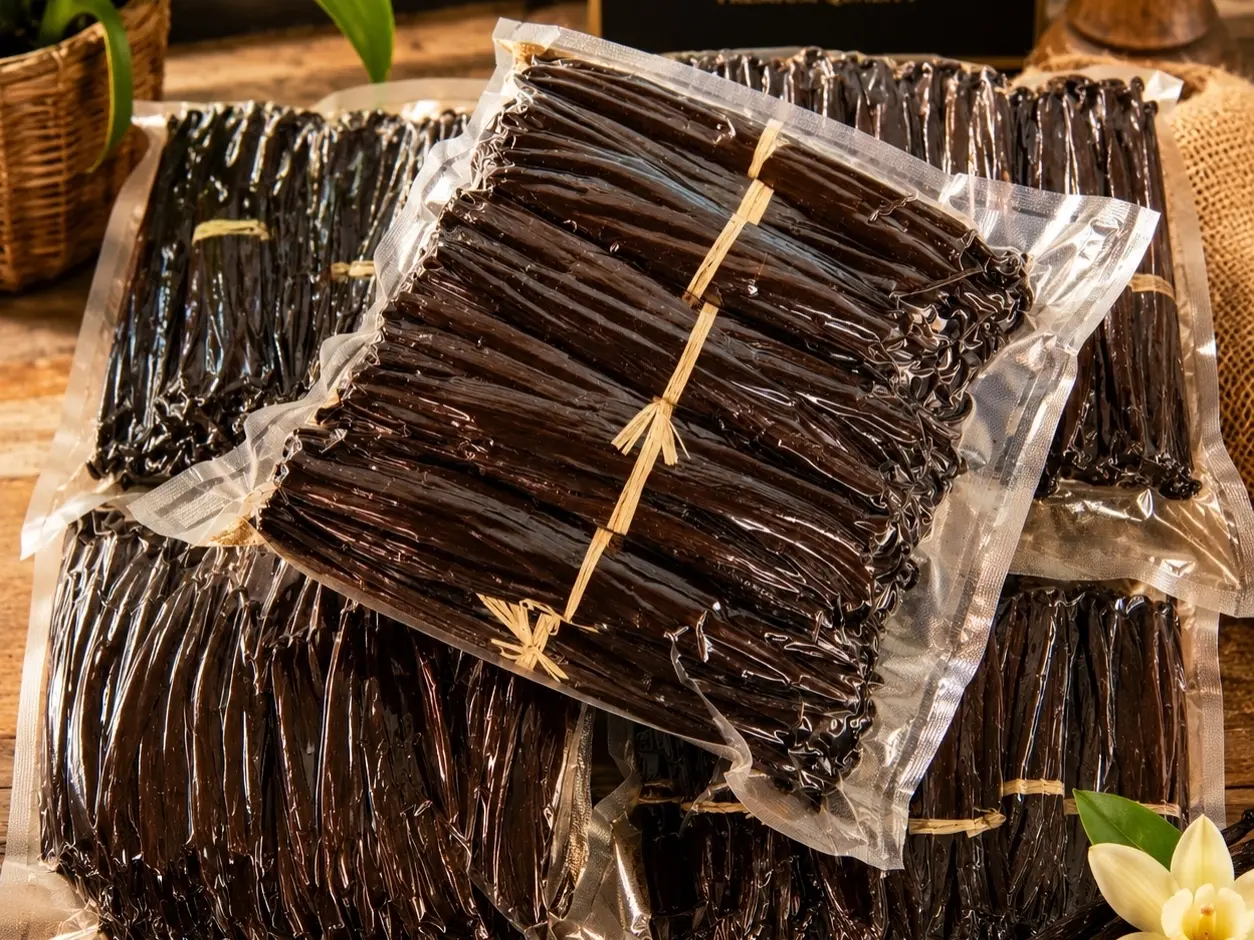
Small quantity vanilla suppliers for bakeries in Madagascar help boutique bakeries and cafes buy vanilla paste, vanilla extract, and small-volume vanilla lots. They don't need bulk orders. Vanillababa supports low-quantity purchasing for recipe testing, seasonal demand, and less storage waste. That makes it easier for small food businesses to keep quality steady, watch cash flow, and source vanilla that fits Madagascar's origin reputation.
Small quantity vanilla suppliers serve boutique bakeries and cafes in Madagascar. They make it easier to buy a small batch of flavoring for recipe testing, seasonal menus, and tight inventory control. For owners balancing pastry production and a dessert menu, low-MOQ sourcing protects cash flow and keeps aroma profile, flavor stability, and menu consistency in check.
Small quantity vanilla lets you order only what your kitchen can use before quality drops. That matters for boutique bakeries with changing specials and cafes that need steady flavor for drinks and sweets. It also cuts waste when storage space is tight or demand shifts from week to week.
For buyers in Madagascar, the value is simple. There's less overbuying, fewer dead stock problems, and better recipe testing. A flexible ingredient supplier can support concentrated vanilla flavoring in forms that fit real kitchen use, not just wholesale pricing targets. In a market where lead time and batch consistency matter, that flexibility helps a lot.
- Boutique bakeries need small lots for premium desserts, trial runs, and seasonal specials without tying up cash.
- Cafes use vanilla in beverages and pastries, so they benefit from a low-MOQ vanilla source that can keep pace with menu changes.
- Small quantity vanilla reduces storage waste and helps preserve aroma retention when turnover is slower.
- Vanilla paste supports visible specks and a premium finish for signature baked goods.
- Vanilla extract gives consistent flavor for cakes, creams, and drinks where smooth integration matters most.
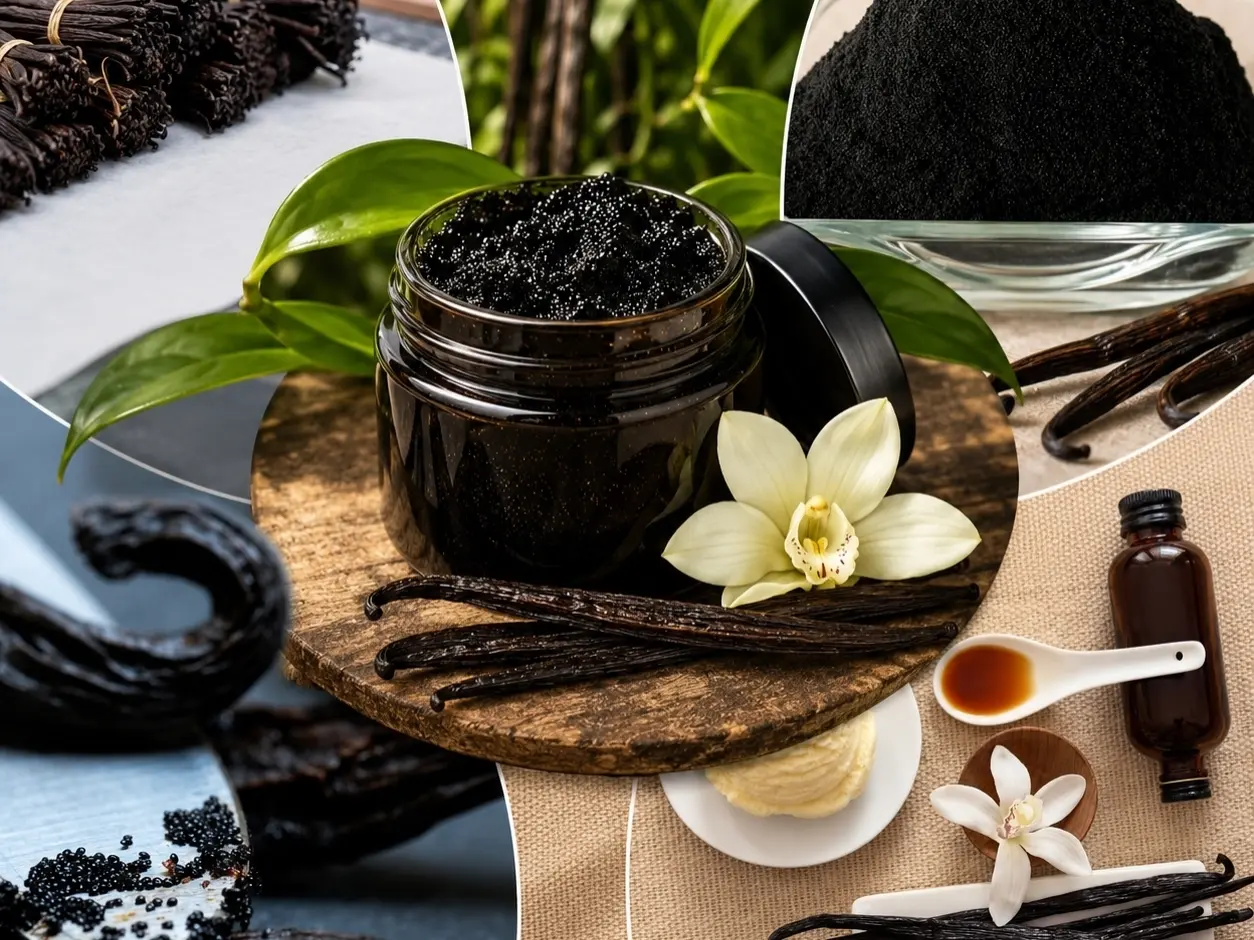
Vanillababa supplies small quantity vanilla options for bakeries and cafes that need flexible sourcing. The core products are vanilla paste, vanilla extract, and low-volume vanilla supply tied to Madagascar origin quality. That helps small businesses keep flavor consistency without committing to wholesale-scale buying.
For small teams, this means you can order based on current menu demand instead of guessing months ahead. A micro-batch vanilla source is useful when you want to test a new cake, adjust a beverage program, or launch a limited dessert without piling up stock.
The product set is built for foodservice use, so the form matters as much as the flavor. Madagascar vanilla is often chosen for its origin-linked quality cue, and that reputation helps buyers compare aroma strength and consistency. Whether you're scaling a bakery case or keeping a cafe menu steady, the goal is the same. You want dependable taste from one order to the next.
- Vanilla paste for bakeries that want premium baking format results and visible specks in frostings, custards, and doughs.
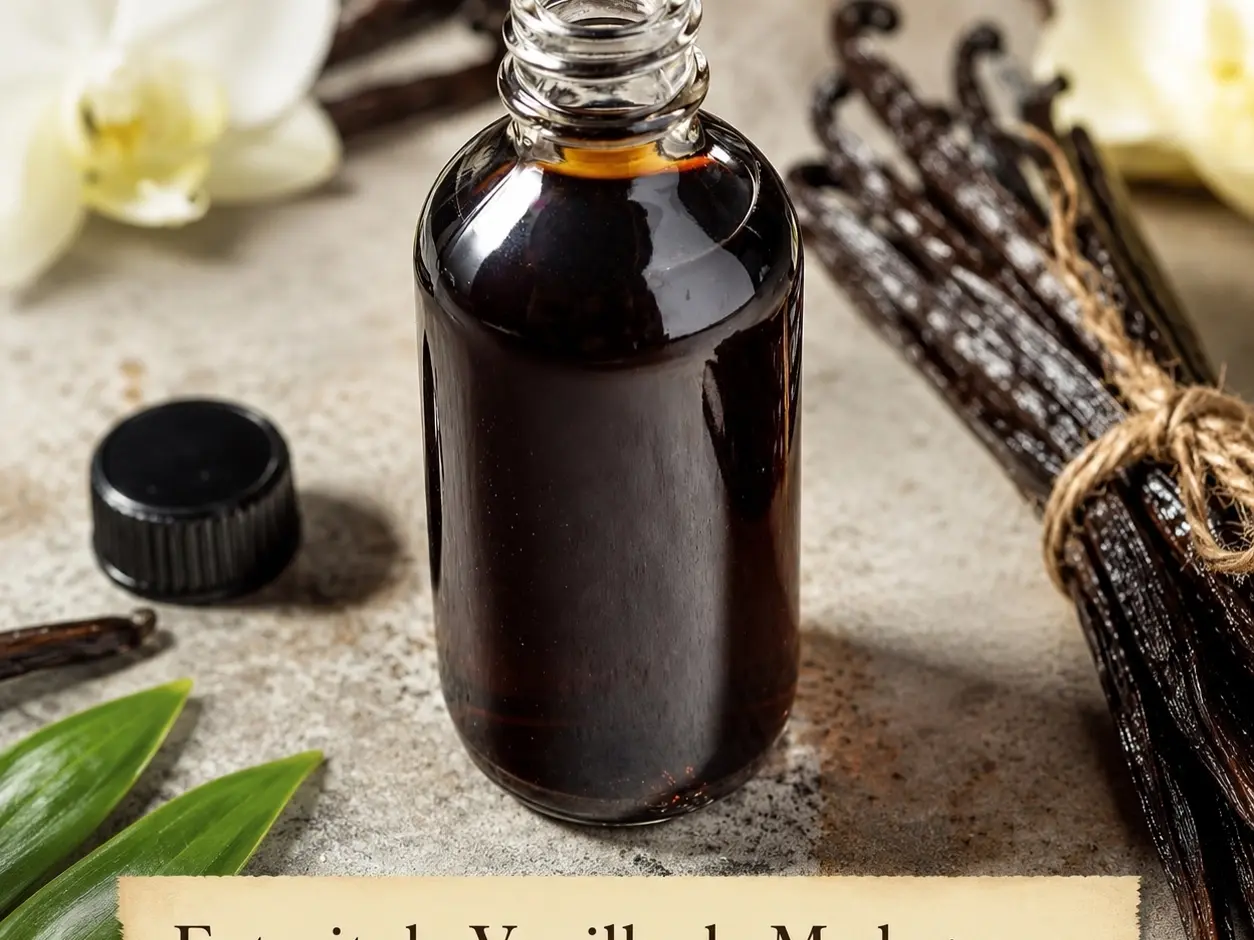
- Vanilla extract for cafes and kitchens that need a concentrated flavoring with easy blending into batters, creams, and drinks.
- Small quantity vanilla for recipe testing, limited runs, and careful inventory control.
- Madagascar vanilla for buyers who value origin quality, aroma retention, and a familiar flavor profile.
- Support for repeat ordering so batch consistency stays closer across production cycles.
The most important supplier features are flexible order sizes, steady flavor strength, reliable batch quality, and packaging that fits small production. For bakeries and cafes, traceability and stable aroma matter because they shape repeatability, menu consistency, and the customer experience.
Look first at supply flexibility and minimum order quantity. If the MOQ is too high, a small operation can end up with waste or forced menu changes. Good packaging also matters because small containers are easier to store, label, and rotate in a busy kitchen.
Batch consistency should be checked against your own recipes. A supplier with strong traceability can help you know where the product came from and how it was graded. That makes it easier to keep flavor stable across bakes, creams, and drink builds, especially when you rely on one aroma profile.
- Supply flexibility for small-batch purchasing and changing demand.
- Batch consistency so each order performs the same in pastry production.
- Flavor intensity that matches your recipe testing results and final menu goals.
- Packaging options that suit small production, storage conditions, and rotation.
- Traceability to support origin quality checks and purchasing confidence.
Small-batch vanilla sourcing often fails when buyers overorder, lose aroma through poor storage, or get different flavor from batch to batch. In bakery and cafe work, seasonal demand changes and price swings make flexible purchasing more practical than rigid bulk buying.
One common issue is inventory waste. Vanilla is valuable, so holding too much ties up money and raises the risk of spoilage or flavor loss. Another issue is storage conditions. Heat, light, and moisture can weaken aroma retention and hurt recipe consistency.
For Madagascar buyers, local supply conditions also matter. Transport logistics can be more complex on an island, so careful packing and shipment coordination help avoid delays. During harvest season, availability can move quickly, so lead time planning is important if you want steady supply without overcommitting.
- Inventory waste from overordering for uncertain menu demand.
- Seasonal demand swings that make fixed bulk orders risky.
- Price volatility that can affect buying decisions from month to month.
- Storage conditions that can reduce aroma retention and flavor stability.
- Recipe consistency problems when batches vary or stock is held too long.
The best way to order is to match the vanilla format to the menu item. Vanilla paste usually suits premium baked goods and visible speckled finishes, while vanilla extract works well for cakes, creams, and beverages where steady flavor integration matters more than appearance.
- Start with the menu application. Map each item to its use case. For baking, choose a format that holds up in heat and mixes well. For beverage programs, select a flavoring that dissolves smoothly and keeps the drink balanced.
- Use vanilla paste for presentation-led items. Vanilla paste is a strong fit for premium cakes, custards, and frostings when you want visible specks and a richer finish. It can help a bakery show craftsmanship and support a high-end look.
- Use vanilla extract for everyday integration. Vanilla extract is ideal when the goal is concentrated vanilla flavoring without changing the look of the product. It works well in batters, creams, and many cafe drinks.
- Match the order size to real turnover. Small-volume vanilla lots are useful when sales vary or when you're testing a new recipe. This keeps inventory management simple and reduces waste.
- Review repeat ordering needs. If the item sells well, ask whether the supplier can keep the same format, batch consistency, and lead time for future runs.
Madagascar sourcing is shaped by harvest timing, transport logistics, and quality grading. All of these can affect availability for small orders. Buyers should plan for seasonal change, confirm lead times, and remember that origin quality and logistics both affect supply continuity.
| Local factor | What it means for small orders | Buyer takeaway |
|---|---|---|
| Madagascar climate | Weather affects crop timing and can change supply timing. | Plan flexibly and avoid last-minute dependence on one shipment. |
| Harvest season | Availability can tighten or loosen as the season shifts. | Build ordering windows around harvest timing and lead time. |
| Transport logistics | Island movement can add packing and shipment complexity. | Confirm coordination early to reduce delays and handling issues. |
| Quality grading | Grade differences affect aroma strength and consistency. | Ask how the supplier grades and traces each lot. |
| Local supply conditions | Small orders depend on how available stock is at the time. | Keep backup options and communicate planned volume early. |
Boutique buyers usually want to know MOQ, lead time, product format, and whether the supplier can support repeat purchasing. These questions help cafes and bakeries lower risk before they commit to a new vanilla source.
They also want to know if a sample order is available for recipe testing, because a small trial can prevent costly mistakes. The most useful answers are practical: how much can be ordered, how fast it ships, and whether the same batch consistency can be maintained later for the same custom use case.
For a first order, clear communication matters more than volume. Ask about packaging, storage guidance, and what happens if your menu grows. That helps you judge whether the supplier can support repeat ordering as your business changes.
Frequently Asked Questions
Next Steps for Boutique Buyers
If you need a small-volume vanilla supplier, start with your menu needs, your expected turnover, and your preferred format. A low-MOQ ingredient supplier is most useful when it supports real buying habits instead of forcing bulk orders. That's why many buyers look for a micro-batch vanilla source with clear traceability and practical lead time.
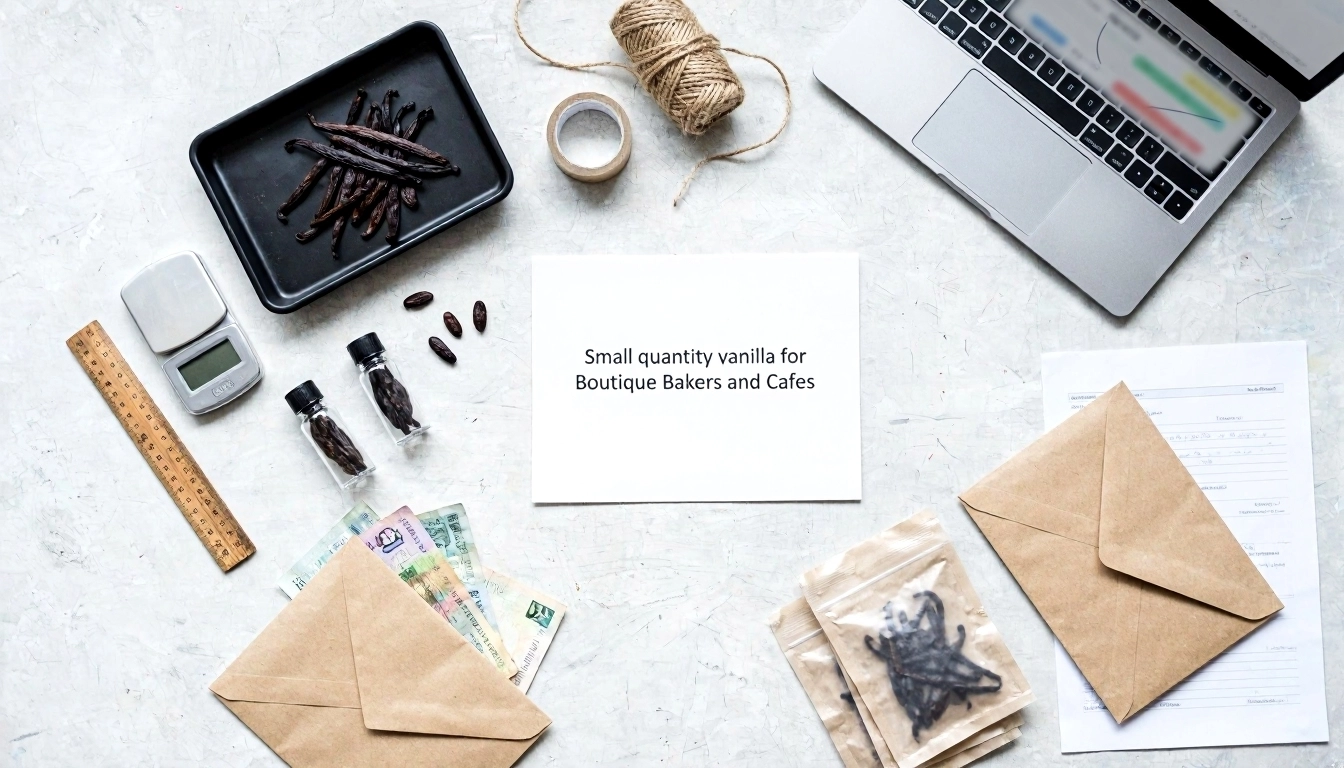
For a first conversation, ask for a sample order, explain your custom use case, and confirm repeat ordering options. If your bakery or cafe works with seasonal items, mention that early so the supplier can plan around Madagascar harvest season and transport logistics. For fast follow-up, use the contact page at.
Author: Randrianantenaina Landry
Related Resources
Small Quantity vs Wholesale Vanilla Pricing: Per-Kg Breakpoints and MOQ Effects
how much does small quantity vanilla cost vs wholesale price per kg
How It WorksSourcing & Contracting Process for Vanilla Export: Pre-harvest Contracts and Supplier Verification
how does vanilla pre-harvest contract sourcing work for exporters
How It WorksOrder Management & Buyer Fulfilment Process for International Vanilla Purchases
how does the vanilla export order and fulfilment process work for buyers
Compared ToWholesale Vanilla Beans vs Small Quantity Vanilla Exports: Which Buying Model Fits Your Business?
wholesale vs small quantity vanilla export