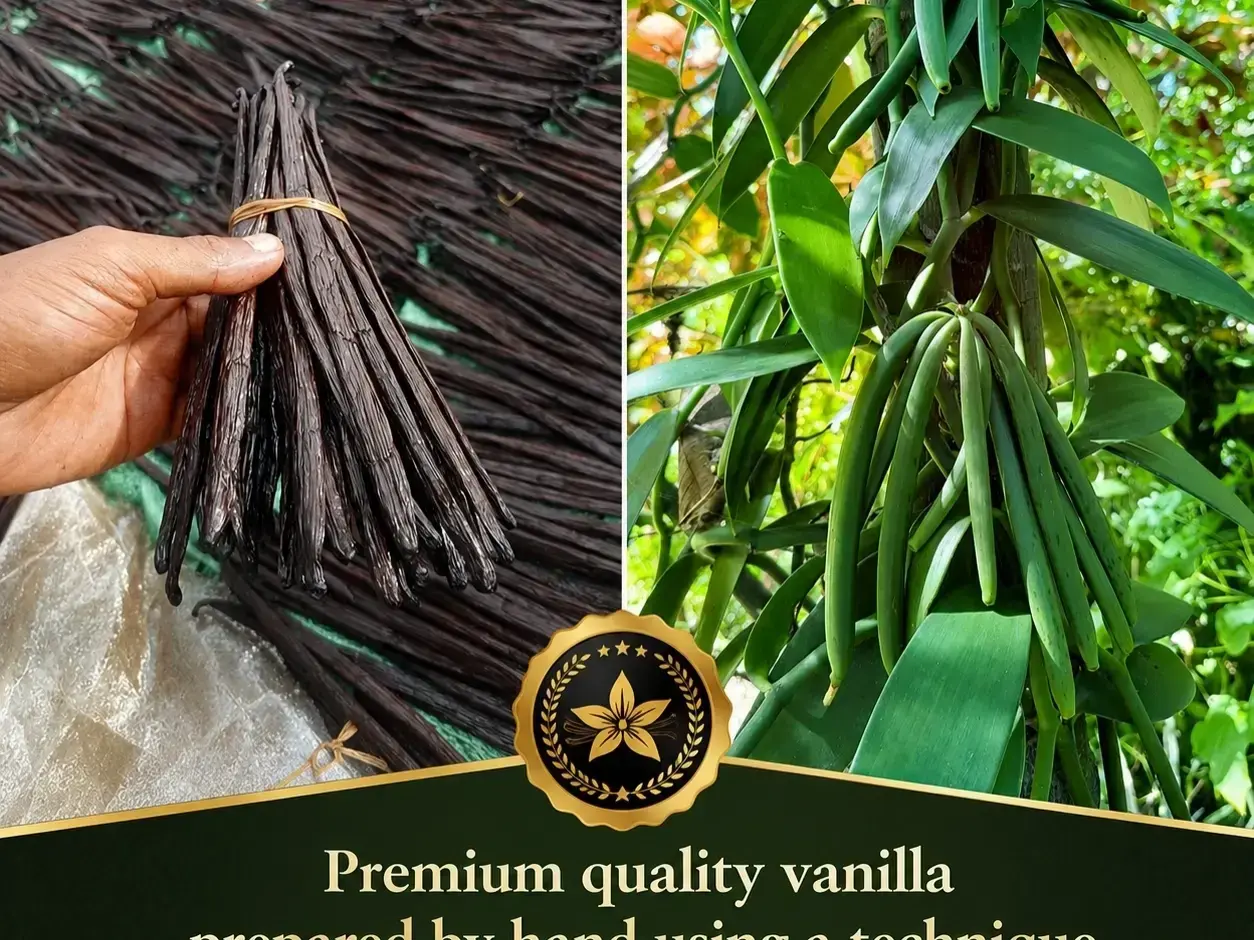
Organic Vanilla Extract for Natural Cosmetics Brands in Madagascar
Organic vanilla extract helps cosmetics manufacturers make natural, clean-label products with a warm vanilla aroma and a traceable supply. For Madagascar brands and international buyers sourcing from Madagascar, it works well in creams, body care, soaps, and fragrances. Buyers often want organic origin, clear ingredient details, and a scent people trust. Vanillababa supplies organic vanilla extract, vanilla powder, and vanilla syrup for beauty-adjacent formulation needs.
Why Cosmetics Manufacturers Choose Organic Vanilla Extract?
Organic vanilla extract is chosen by cosmetics manufacturers because it supports clean-label positioning, adds a natural aroma, and strengthens premium branding in personal care products. It matters even more in Madagascar supply chains, where origin story, traceability, and botanical authenticity shape buying choices.
For cosmetics manufacturers, the practical benefit is not only scent. A well-specified vanilla ingredient can shape product identity and support a natural cosmetics story. It also gives marketing teams a clear way to highlight origin and authenticity. In premium skincare and body care, that can matter as much as the formula itself.
How Madagascar Sourcing Shapes Product Quality and Consistency?
Madagascar sourcing shapes vanilla quality through terroir, curing practices, and farm-level traceability. These factors affect aroma depth and batch consistency. For cosmetics manufacturers, that matters because fragrance performance, compliance documents, and brand claims depend on reliable ingredient quality from origin.
Madagascar vanilla is known for its rich aroma, and that character comes from local climate, soil, and post-harvest curing. The island’s growing conditions can deepen the sensory profile, while curing methods shape sweetness, creaminess, and warmth in the final formula, So the quality is not just about the bean. It also depends on how the crop is handled from farm to export.
Traceability is both a major advantage and a major expectation. Buyers of natural cosmetics often ask for farm documentation, lot identification, and export records to support premium positioning and ingredient transparency. In Madagascar, these records matter even more because the origin story is part of the value. Seasonal supply swings and long curing cycles can also tighten availability, so production planners should expect lead-time pressure and keep buffer stock when possible. That matters a lot when supplier verification and batch consistency are part of approval.
For brands, the key takeaway is simple: origin shapes perception, but it also shapes planning. A stable cosmetic raw material strategy needs sensory quality and dependable sourcing terms.
What Matters Most When Buying Vanilla Ingredients for Beauty Products?
Cosmetics manufacturers should evaluate vanilla ingredients by INCI labeling, aroma strength, formulation fit, traceability, and supplier documents. These factors decide whether the ingredient can work in creams, soaps, body care, or fragrance concepts without causing stability, labeling, or compliance problems.
Most successful buying decisions start with documents, then move to bench tests. If the ingredient looks good on paper but fails in the formula, it creates extra cost. Careful compliance and performance checks help teams choose between a vanilla extract, a powder, or another botanical ingredient for the product line.
Common Formulation Challenges with Vanilla-Based Cosmetic Ingredients
Vanilla-based cosmetic ingredients can create issues like discoloration, oxidation, batch variation, and poor fit with some emulsions or fragrance systems. Manufacturers reduce these risks by testing stability early, matching the ingredient to the product base, and sourcing from suppliers with steady quality controls.
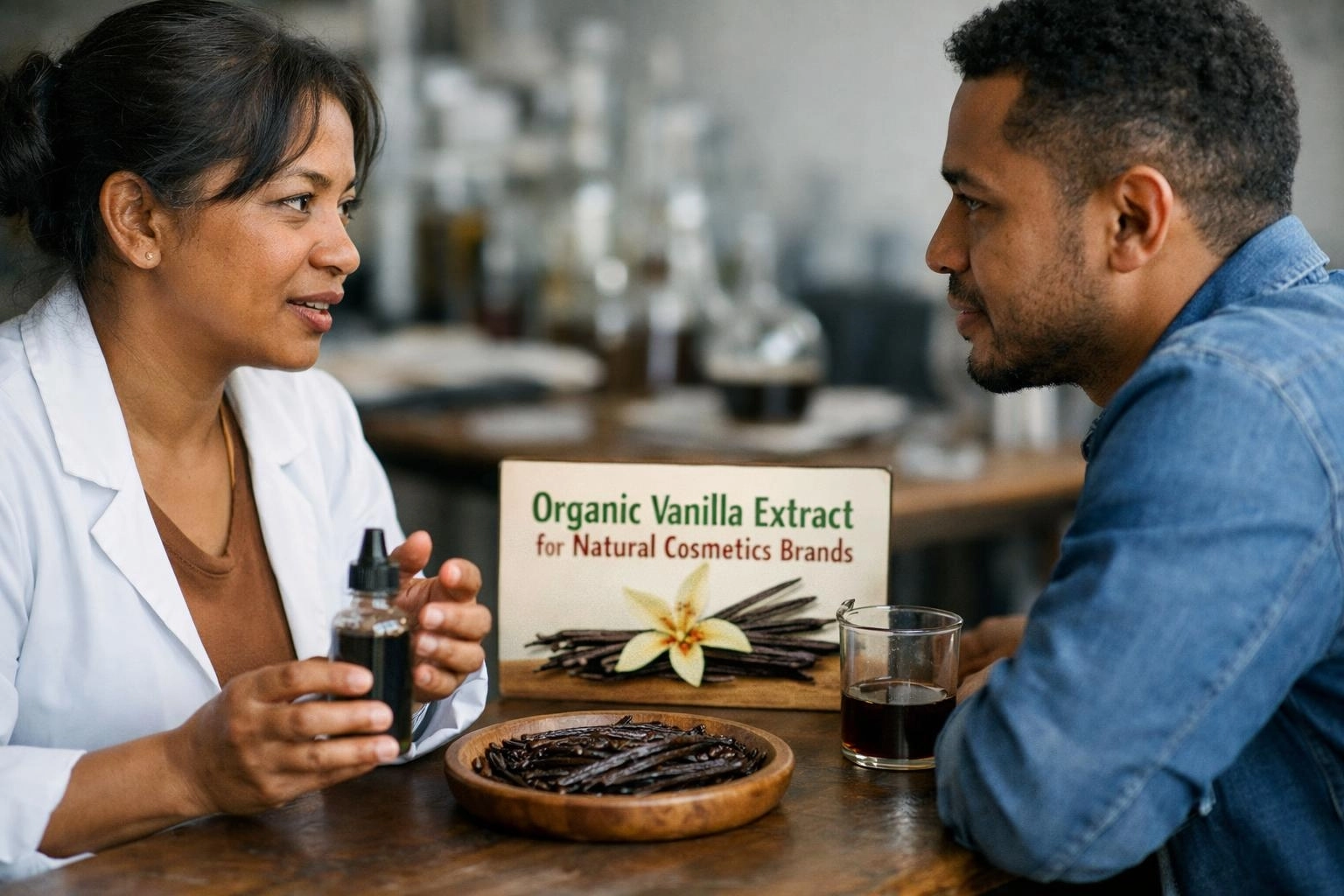
The safest approach is to test the ingredient in the real product base, not just in a lab sample. If a cream, soap, or body care product needs a light color and long shelf life, the team should confirm whether the vanilla profile can be kept without hurting visual quality. Good formulation work reduces surprises later in production.
Organic Vanilla Extract, Vanilla Powder, or Vanilla Syrup: Which Fits Your Use Case?
Organic vanilla extract is usually the best choice for cosmetics aroma and formulation flexibility, while vanilla powder and vanilla syrup may fit specific product systems or adjacent ingredient needs. The right option depends on texture, solubility, sensory strength, and how the ingredient will behave in the final cosmetic base.
| Ingredient | Best application fit | Strengths | Watch-outs |
|---|---|---|---|
| Organic vanilla extract | Organic vanilla extract for creams, body care, soaps, and natural fragrance concepts | Strong aroma, flexible use, easier sensory design, familiar botanical ingredient story | May require testing for discoloration, oxidation, and compatibility with the emollient base |
| Vanilla powder | Dry blends, specialty masks, and formulas needing a less liquid botanical ingredient | Can support texture-driven concepts and some low-moisture systems | May disperse unevenly and needs careful evaluation for visual finish |
| Vanilla syrup | Adjacent ingredient needs or experimental sensory concepts where sweetness is part of the design | Useful for certain formulation experiments and scent concepts | Usually less suitable for standard cosmetic systems because of sugar, water, and preservation concerns |
In most beauty projects, the extract is the most balanced option because it blends aroma, handling, and formulation flexibility. Powder may work in specific dry or niche systems, while syrup is usually better for adjacent product development than for mainstream cosmetics manufacturing.
How Vanillababa Supports Cosmetics Brands Sourcing from Madagascar?
Vanillababa supports cosmetics brands by supplying organic vanilla extract and related vanilla ingredients with a Madagascar sourcing context that suits natural beauty positioning. The value is in ingredient consistency, traceable supply, and helping buyers review samples before larger production runs.
For teams developing clean beauty products, the main need is confidence. They need confidence in origin, confidence in documents, and confidence that the ingredient will hold up during stability testing. That is why sample requests matter. They let formulators check scent strength, texture, and compatibility before moving into bulk supply. In a market shaped by seasonal availability and long curing cycles, that early testing saves time later.
Buyers working from Madagascar or sourcing through Madagascar-linked supply chains can use this support to compare options, verify technical fit, and plan production with fewer surprises. The result is a smoother path from concept to launch, especially when premium claims and origin credibility are part of the brand story. For samples and documentation, use the contact link below.
Frequently Asked Questions
Author: Randrianantenaina Landry
Get a Free EstimateRelated Resources
Pricing Guide: Whole Pods, Vanilla Cuts, Extract, Paste and Powder
how much does vanilla extract paste powder pods cost
What It CostsCertification & Traceability Costs: Organic, Batch Traceability and Export Documentation Premiums
how much extra does organic certification and traceability add to vanilla export cost
How It WorksQuality Control & Compliance Workflow for Vanilla Exports: Lab Testing to Phytosanitary Clearance
how does quality control and compliance work for vanilla export
Compared ToOrganic Vanilla Extract vs Premium Vanilla Paste: Which Product Should Importers Source from Madagascar?
organic vanilla extract vs vanilla paste importers