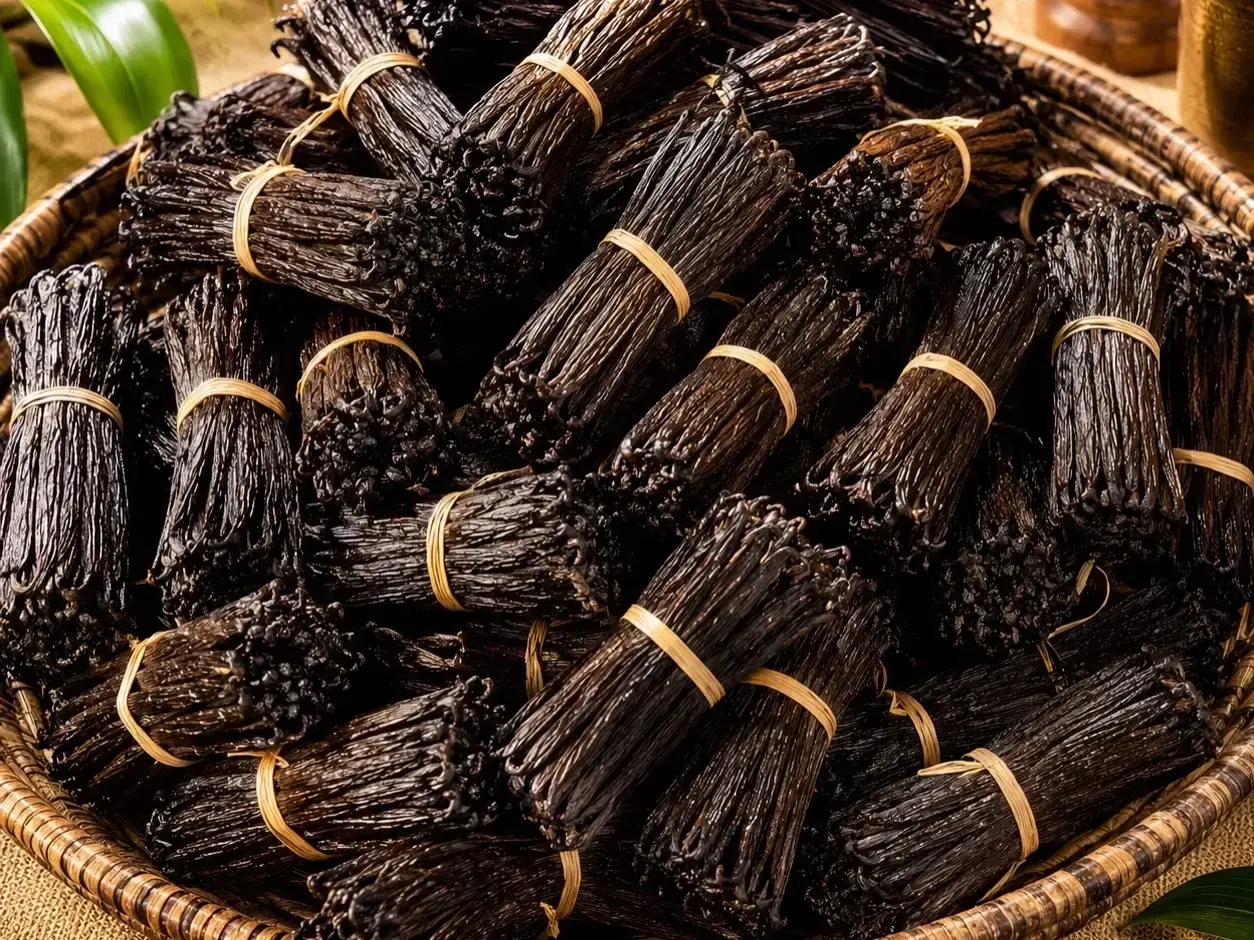
How Vanilla Shipping and Logistics Work in Madagascar
Vanilla export from Madagascar starts with cured beans from trusted producers. Then teams check the lots, pack them with moisture protection, secure export papers, and book air or sea freight. Vanillababa manages the process end to end, so buyers get compliant shipment, traceable origin, and timely delivery to China, America, and the United Arab Emirates.
What Happens First in a Madagascar Vanilla Export Shipment?
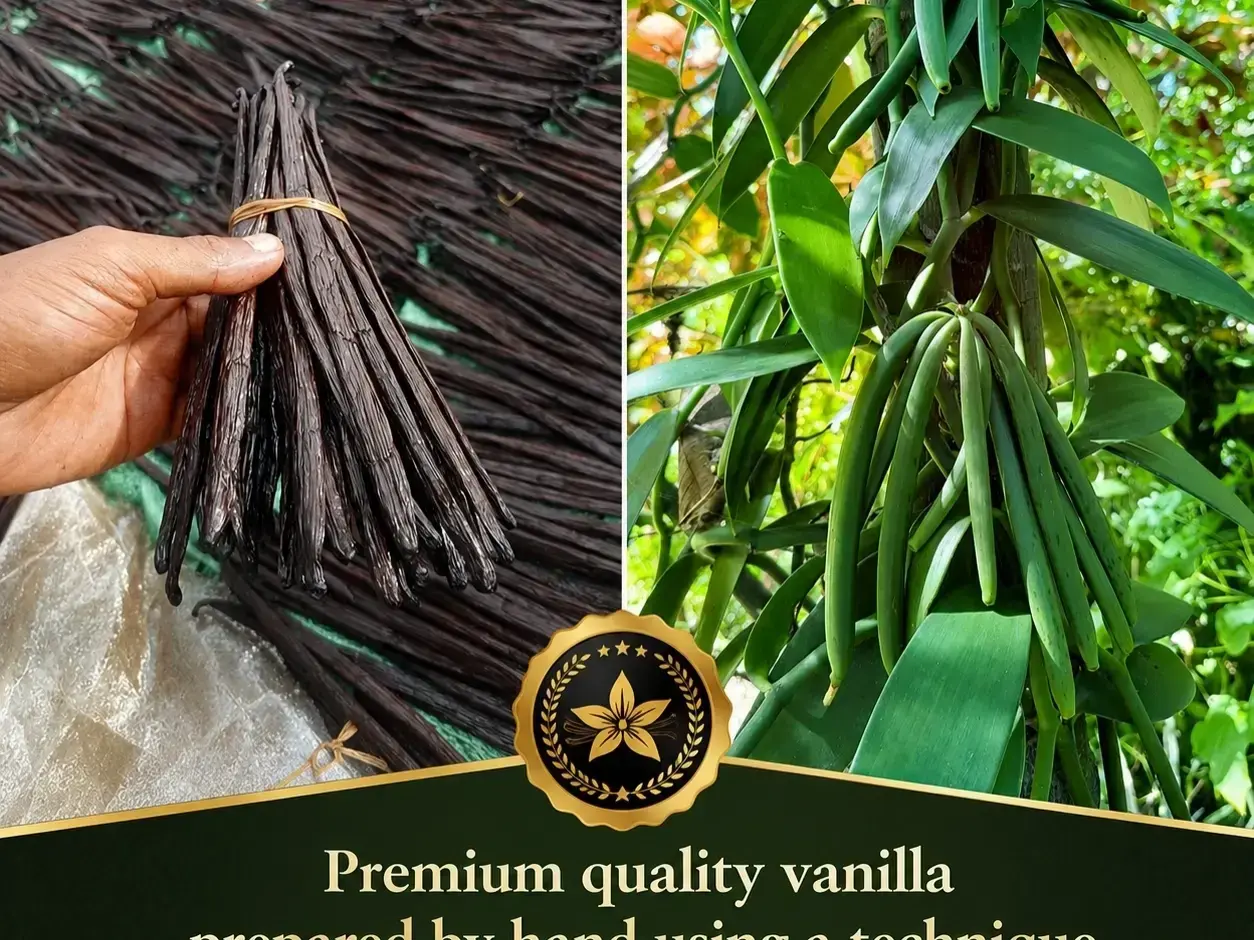
Vanilla export from Madagascar starts with sourcing cured beans from trusted growers. The team checks aroma, moisture, appearance, and grade, then combines only compliant lots for export. This first stage protects quality, keeps traceability clear, and blocks mixed or under-cured stock from entering the shipment.
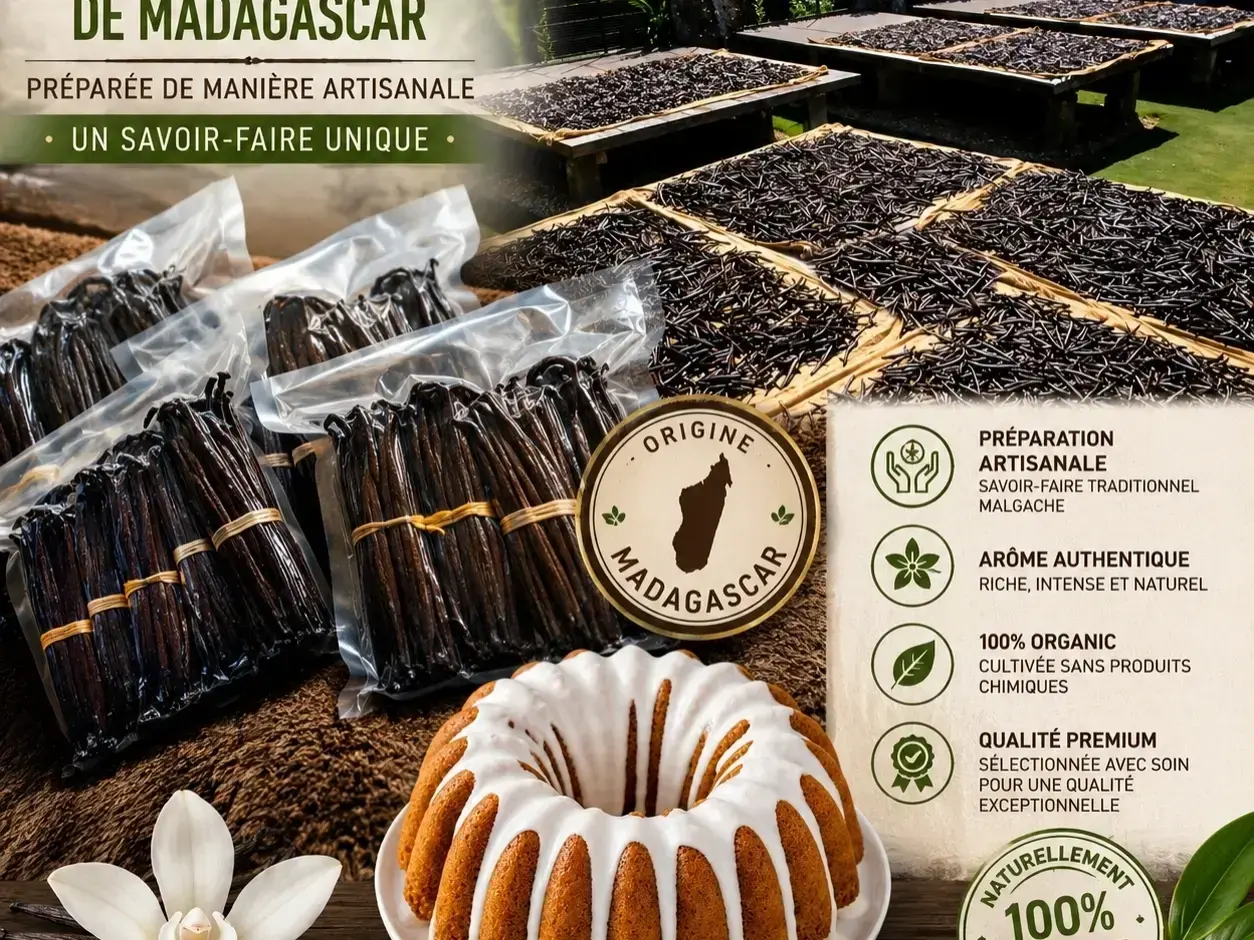
In practice, the first job is supplier consolidation. Producers send cured vanilla beans from inland growing zones to a central point, where the lots are sorted by grade and condition. Each lot then goes through quality inspection for scent, texture, and visible defects. This matters because the Madagascar vanilla supply chain is origin-driven, so traceability must stay intact from producer to export packer. Local handling also faces heat and humidity, which is why dry storage and quick transfer matter in Madagascar.
Only beans that match buyer specs move forward. That protects the value of the vanilla freight and lowers the risk of rejection later in export logistics. The result is a clean lot file, a known source, and a shipment ready for customs documents and freight booking.
What Are the Exact Logistics Steps from Farm to Overseas Buyer?
Vanilla export logistics from Madagascar follows a clear sequence. Teams collect the beans, inspect and sort them, prepare export-grade packaging, finish customs paperwork, book the freight, and hand it to the destination carrier. Each step lowers spoilage, delays, and rejection risk while keeping the shipment compliant.
This process is standard export logistics, but it works best when one team controls the handoffs. That is how spoiled lots, missing customs documents, and late loading are avoided in international vanilla logistics.
How Long Does Vanilla Shipping Take by Shipment Size?
Vanilla shipping time from Madagascar depends on shipment size, transport mode, and document readiness. Small consignments move faster when lots are already packed and cleared. Larger export programs need more consolidation, inspections, and booking lead time before departure.
The table below shows typical delivery timeline ranges, not fixed promises. In real export logistics, a ready file, smooth customs clearance, and available air freight can shorten the schedule.
| Shipment size | Typical handling profile | Typical transit time |
|---|---|---|
| Small shipment | Pre-packed cured beans with simple freight booking and faster document review | Usually the shortest window, often a few days to about two weeks depending on route |
| Average shipment | Mixed commercial lot that needs consolidation, inspection, and export packing | Commonly one to three weeks, depending on destination market and carrier space |
| Large shipment | Bulk order with more staging, coordinated loading schedule, and destination import planning | Often the longest window, especially if sea freight is selected for cost planning |
For buyers, the main timing driver is not only transit time. It is also the time needed to prepare compliant export documents, finish quality inspection, and secure the right freight booking.
How Is Vanilla Packed to Protect Aroma and Moisture?
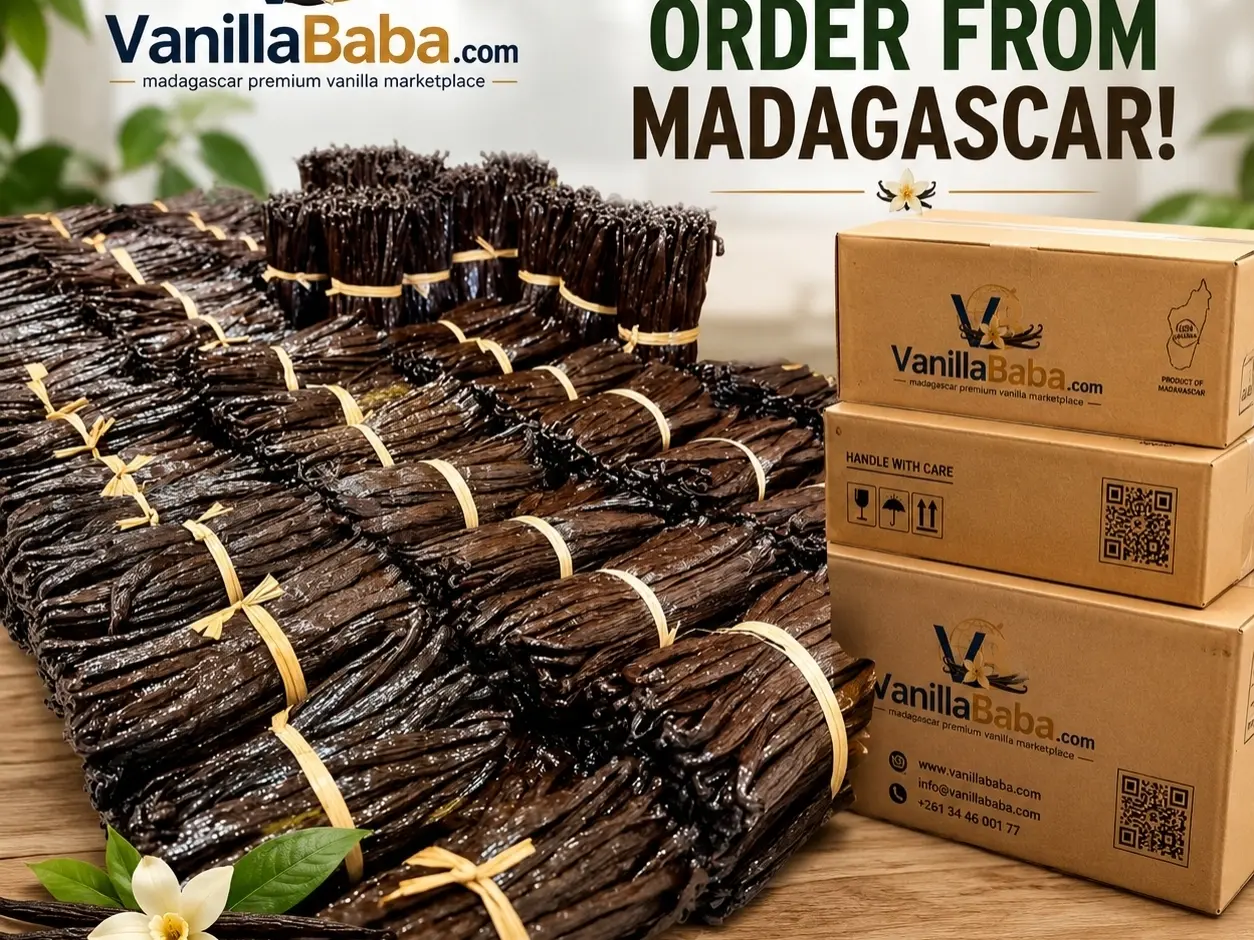
Vanilla from Madagascar is packed to protect aroma, prevent moisture gain, and reduce handling damage. Exporters usually use food-grade inner protection, sealed cartons, and dry storage conditions so the beans arrive with stable flavor, appearance, and commercial grade.
This packaging method is simple, but it matters in Madagascar’s climate. Heat and humidity can change bean condition fast, so export-grade packaging is part of quality control, not just presentation.
Which Shipping Route Works Best for China, America, and the UAE?
The best shipping route for Madagascar vanilla depends on urgency, order size, and destination. Air freight is usually the faster choice for China, America, and the UAE when timing matters. Sea freight can suit larger, less urgent commercial volumes if the schedule allows it.
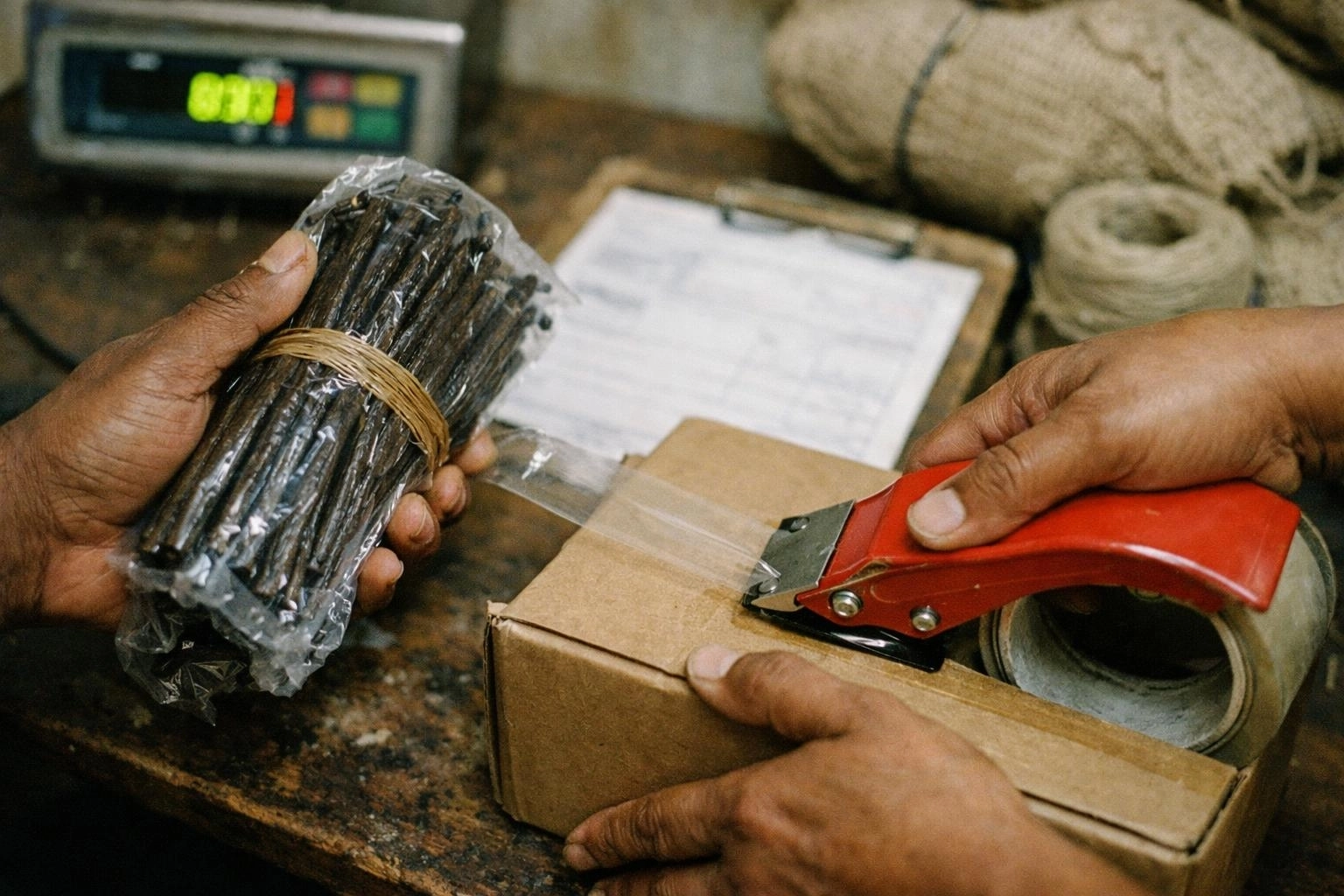
For most buyers, air freight is the safer choice when the order must arrive quickly or when the shipment is smaller and higher value. It shortens the full delivery timeline and helps keep market momentum, especially for urgent replenishment. For larger commercial lots, sea freight may work better when the buyer can wait longer and wants a bulk export flow that fits warehouse planning and destination import timing.
Route choice should match the destination market, not just the price. China often rewards speed for active stock planning, America may need tighter coordination with import windows, and the United Arab Emirates can benefit from flexible routing through major cargo hubs. In every case, timely delivery depends on clean documents, export logistics discipline, and reliable shipment tracking from Madagascar to the overseas buyer.
What Documents and Checks Are Needed Before Export Release?
Before export release, Madagascar vanilla shipments need commercial documents, packing details, origin verification, and any buyer- or market-specific compliance checks. These documents help customs, freight handlers, and importers confirm what is being shipped and where it came from.
When documents are complete, export coordination becomes much smoother. Buyers also gain clearer shipment tracking and less risk of last-minute rework before departure.
How Does Vanillababa Keep Vanilla Shipments on Schedule?
Vanillababa keeps vanilla shipments on schedule by coordinating sourcing, packing, paperwork, freight booking, and buyer communication in one export workflow. That cuts handoff delays, improves tracking visibility, and helps shipments leave Madagascar and arrive on time in China, America, and the UAE.
The practical advantage is simple. One team watches the whole export logistics chain, from cured beans and export packing to customs clearance and loading schedule control. That lowers the risk of missed freight cutoffs and keeps the buyer informed at each stage. In a market where inland collection routes can be slow and humidity can affect bean condition, coordinated planning is a real timing advantage.
Frequently Asked Questions
Author: Randrianantenaina Landry
For export coordination or buyer inquiries, use the contact page.
Related Resources
Export Pricing to China, Asia, Europe, America and UAE: Freight, Duties and Landing Costs
how much does it cost to export Madagascar vanilla to China/Europe/USA/UAE
What It CostsUrgent Shipments & Fast Sample Order Pricing: Expedited Logistics and Rush Fees
how much does expedited vanilla shipping and fast sample orders cost
Compared ToExport Vanilla to China vs Export Vanilla to Europe: Regulatory, Logistics and Price Comparison
export vanilla to China vs Europe
Types & CategoriesVanilla Export Types by Destination: China, Asia, Europe, America & UAE
types of vanilla export to China Asia Europe America UAE