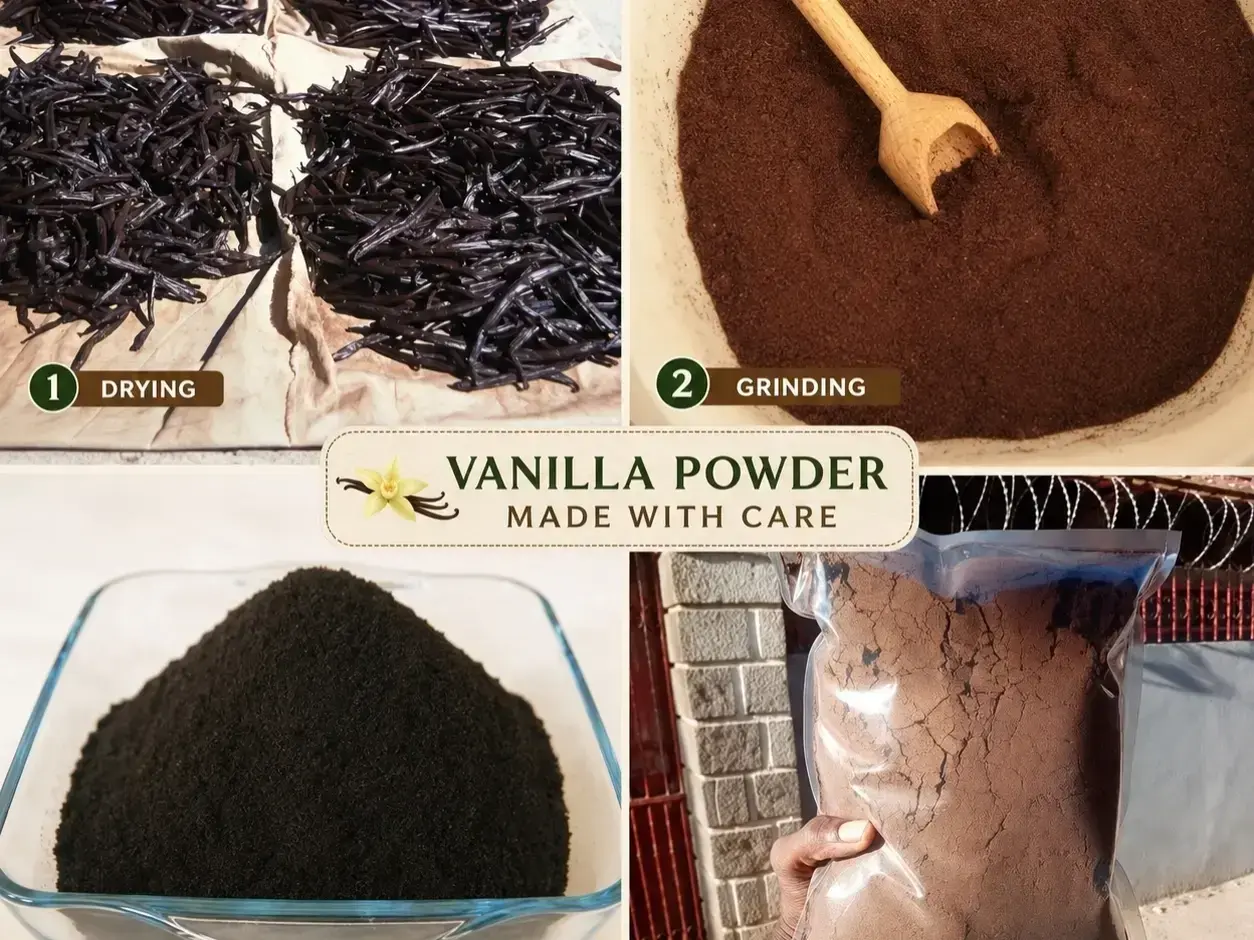
Types of Grade a Vanilla Export in Madagascar
Types of vanilla export grade A Madagascar include gourmet cured beans, wholesale split or unsplit beans, and export-ready lots graded by length, moisture, aroma, and appearance. Madagascar’s climate and curing methods produce the world’s most sought-after vanilla, and buyers should match grade, traceability, and documentation to the intended market.
What Are the Main Types of Grade a Vanilla Export in Madagascar?
Grade A vanilla export from Madagascar includes gourmet cured beans, split beans, unsplit beans, and export lots sorted by size, moisture, aroma, and visual quality. Buyers choose among these types based on end use, pricing, and documentation needs for wholesale and international trade.
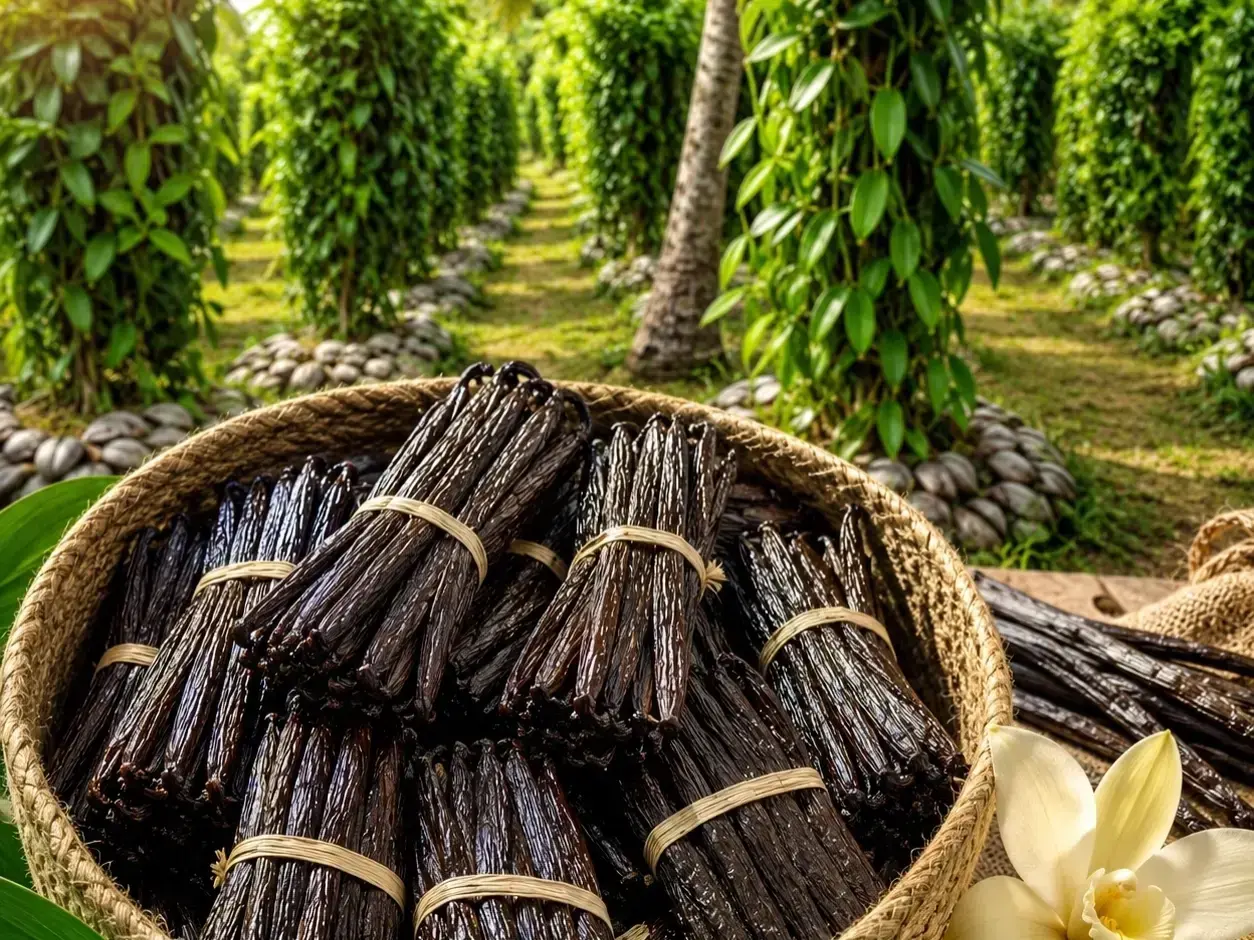
The main group starts with whole gourmet vanilla beans. These are often the longest and best-looking cured vanilla beans in a lot. Buyers pick them for retail packs, chef programs, and high-value food uses. Here, looks and aroma both matter.
Split beans still have value for processors. They may not look perfect, but they can carry strong flavor. Unsplit beans are different. They are prized for shelf appeal, neat shape, and cleaner presentation. In wholesale procurement, buyers often ask for a mixed export lot that matches a buyer specification for length, cure quality, and origin traceability.
Madagascar’s grading system reflects the spice export market and the realities of farming. The same farm can produce beans with different vanillin aroma levels, So export-grade sorting helps separate Grade A cured beans from lower commercial lots before shipment.
Comparison of Madagascar Vanilla Export Grades and Types
Madagascar vanilla export types differ by bean length, cure quality, moisture level, flexibility, and appearance, which affect pricing and suitability for food manufacturing, retail, and premium culinary markets. A comparison table helps buyers quickly select the right export grade for their commercial needs.
In practice, the comparison is not only about taste. Wholesale buyers also compare defect rate, traceability, customs documentation, and whether the lot is better for gourmet grade resale or for industrial extraction. Below is a simple buyer view of common export-grade distinctions.
| Type | Key Features | Typical Cost | Best For |
|---|---|---|---|
| Grade A gourmet whole beans | Long bean length, high flexibility, rich aroma profile, low defect rate, strong visual appeal, ideal seed content | Highest typical pricing in the lot | Retail packs, premium food use, chef programs |
| Unsplit export beans | Whole-looking pods with good cure quality, neat appearance, moderate moisture content, clean presentation | High to mid-high | Shelf-ready packs, gifting, private label |
| Split export beans | Opened pods, strong flavor, sometimes lower visual grade, still useful for extraction and blending | Mid-range | Extracts, paste, industrial use |
| Wholesale export lots | Mixed sizing, buyer specification controls, traceability, customs documentation, consistent packing format | Varies by grade mix and volume | Bulk procurement, distributors, private label supply |
| Grade A cured beans | Carefully cured, sorted by moisture, flexibility, aroma, and appearance; usually premium export-grade sorting | Premium wholesale pricing | Specialty trade and high-end ingredient buyers |
Typical ranges can shift from season to season because post-harvest curing in Madagascar is not perfectly even. Buyers should check the export lot details, not only the label. The same agricultural commodity can move between price bands based on cure quality and shipment readiness.
Which Grade a Vanilla Type Fits Your Buyer Requirements?
The best Grade A vanilla type depends on whether the buyer needs long gourmet beans for retail, split beans for extraction or processing, or wholesale export lots with consistent traceability. Matching bean type to intended use reduces quality mismatch, rejection risk, and landed-cost surprises.
Start with your end market, then match the bean type to the job. Retail buyers usually need long, attractive pods with strong shelf appeal. Processors often want split beans or lower-appearance lots that still deliver flavor. Bulk importers may care more about consistency, customs documentation, and stable wholesale supply.
Gourmet Whole Beans for Retail and Premium Food Use
Gourmet vanilla beans are the best fit when the buyer needs long, flexible pods with strong aroma and strong shelf appeal. They are often selected for retail jars, gift boxes, and premium food lines where the bean pod itself is part of the product value.
Use this type when appearance matters as much as flavor. The main pros are high visual quality, better consumer perception, and stronger pricing power. The cons are a higher cost and stricter sorting. Careful export-grade sorting is essential before shipping from Madagascar.
Split Beans for Extraction, Paste, and Industrial Use
Split vanilla beans work well for extract makers, paste producers, and industrial users who care more about flavor release than pod perfection. These beans may have opened skins or cosmetic defects, but they can still deliver a strong aroma profile and useful seed content.
The main advantage is value. Buyers can often get a lower price while keeping good flavor performance. The downside is weaker shelf appeal, so this type is usually not the first choice for retail presentation. For Madagascar suppliers, split beans can still be a smart use of cured vanilla beans that do not meet top visual standards.
Unsplit Export Beans for Visual Quality and Shelf Appeal
Unsplit vanilla beans are chosen when the buyer wants a neat, intact look and a cleaner pack presentation. They usually sit between gourmet whole beans and processing-grade material, giving a good balance of appearance, flexibility, and pricing.
This type works well for branded retail, hospitality, and private label programs. The main pro is stronger shelf appeal. The main con is that not every unsplit bean is identical, so you still need to verify moisture content, cure quality, and defect rate before confirming a wholesale procurement order.
Wholesale Lots for Bulk Procurement and Private Label Supply
Wholesale vanilla beans are best for buyers who need volume, repeatability, and a supply plan that aligns with their buyer specification. These lots may include a mix of Grade A cured beans and carefully separated sub-sorts, depending on the target market.
The key advantage is efficiency. You can align packing, documentation, and shipment timing around one export lot. The tradeoff is that you must be precise about traceability and quality grading, especially when sourcing from Madagascar vanilla beans in a season with variable curing outcomes.
How Grade a Vanilla Is Sorted Before Export in Madagascar?
Grade A vanilla is sorted in Madagascar after curing by measuring bean length, moisture, flexibility, aroma, and defect level. Exporters separate premium lots from lower grades so buyers receive consistent quality, better traceability, and documentation aligned with destination market expectations.
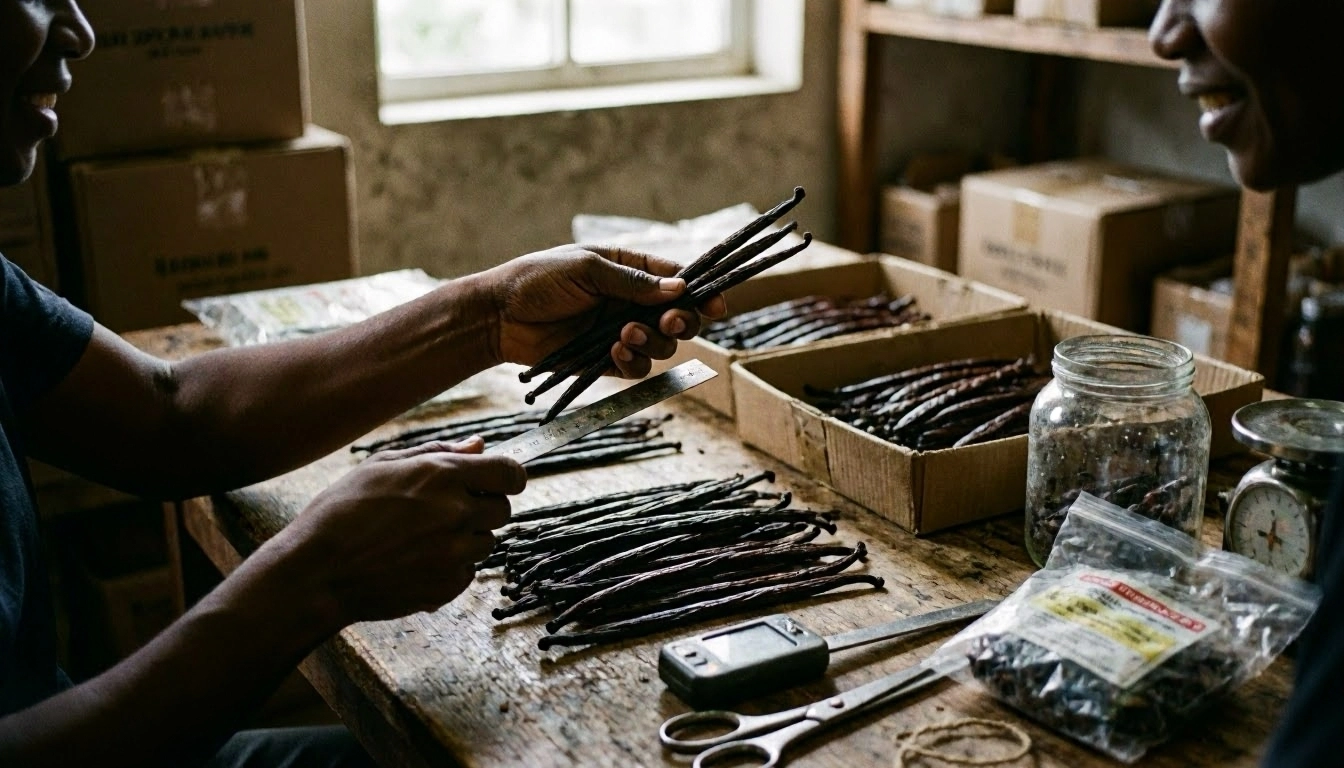
Sorting starts after curing, when the beans have reached a stable state and can be judged as cured vanilla beans. Workers group the pods by visual quality first. Then they check how they bend, how much moisture remains, and whether the aroma profile meets gourmet standards. This export-grade sorting step turns a farm harvest into a market-ready spice export lot.
In Madagascar, lot-to-lot variation is normal because post-harvest curing and sorting can differ by region, weather, and handler. Buyers should ask for sample photos, packing details, and shipment readiness notes, especially when lead times matter. That extra care helps protect wholesale supply from delays and quality disputes.
When the process is done well, Grade A gourmet vanilla reaches the market with strong origin traceability and a clean look. When it’s rushed, the same crop can lose value fast. For that reason, importers should verify the export lot against the intended market before release.
Frequently Asked Questions
Source Grade a Vanilla with Confidence
Choose the export grade that matches your market, verify traceability, and review customs documentation before you commit to shipment. If you need help comparing gourmet grade, split beans, unsplit beans, or wholesale supply options, contact the team through the sourcing page for buyer support and quote requests.
Buyers who want lower procurement risk should request sample lots, confirm shipment readiness, and align the order with the destination market’s quality expectations. That approach is especially useful when working with Madagascar vanilla beans, where local curing variation can affect the final commercial result.
Author: Randrianantenaina Landry
Related Resources
Cost Comparison: Grade A Gourmet Vanilla vs Grade B Vanilla (Madagascar Bourbon)
how much does Grade A vs Grade B Madagascar vanilla cost
What It CostsExport Pricing to China, Asia, Europe, America and UAE: Freight, Duties and Landing Costs
how much does it cost to export Madagascar vanilla to China/Europe/USA/UAE
What It CostsSmall Quantity vs Wholesale Vanilla Pricing: Per-Kg Breakpoints and MOQ Effects
how much does small quantity vanilla cost vs wholesale price per kg
What It CostsCertification & Traceability Costs: Organic, Batch Traceability and Export Documentation Premiums
how much extra does organic certification and traceability add to vanilla export cost