Vanilla Export Types in Madagascar: Whole Beans, Splits, Powder, Paste & Extract
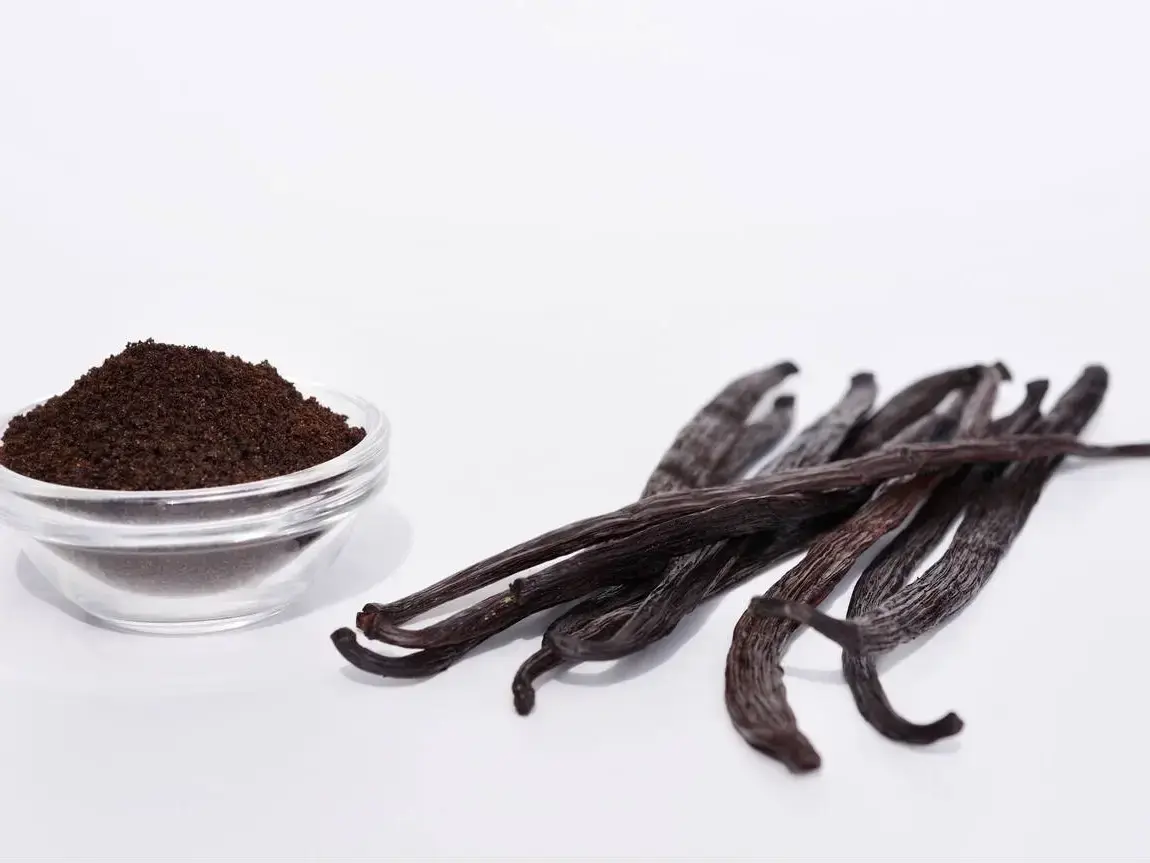
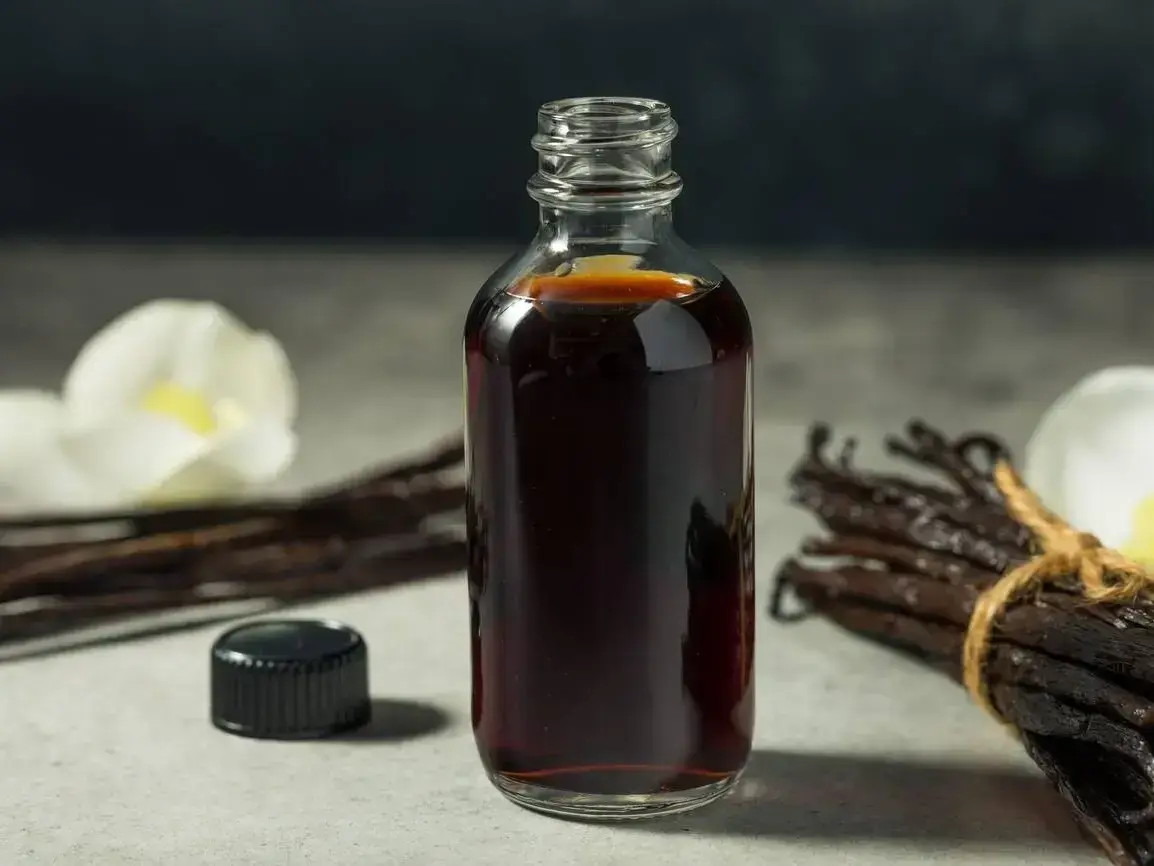
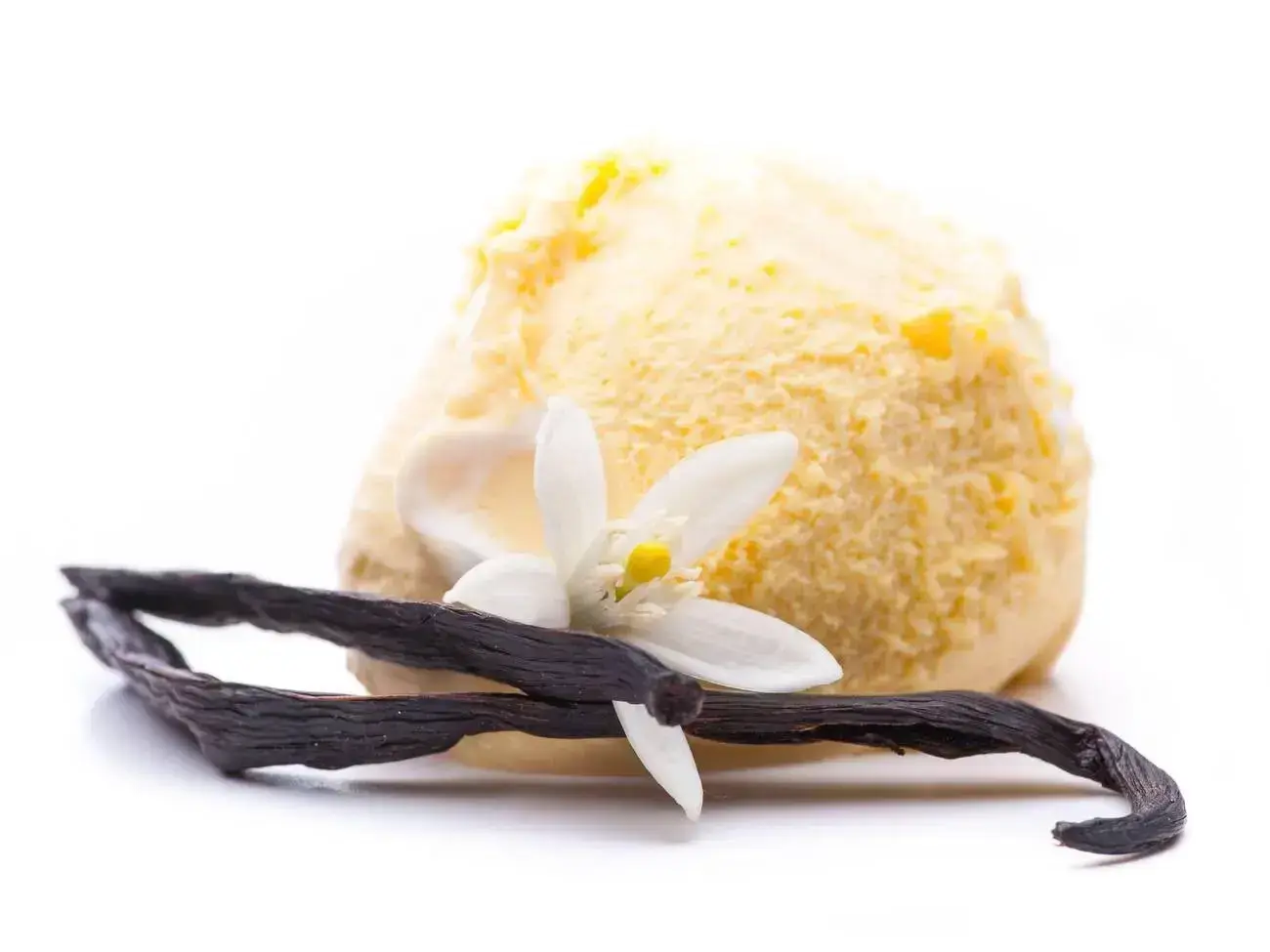
Vanilla exporters in Madagascar supply whole beans, splits, powder, paste, and extract for different buyer needs. Whole beans fit premium food use. Splits and powder help with processing. Paste adds visible specks. Extract works well for flavor blends and bulk industrial use.
Vanilla export types include whole beans, splits, powder, paste, and extract for Madagascar export buyers. The best choice depends on flavor strength, processing level, aroma, vanillin content, and final use in bakery, dairy, beverage, or food manufacturing. Madagascar vanilla is valued for its origin and export demand.
| Type | Key Features | Typical Cost | Best For |
|---|---|---|---|
| Whole beans | Intact cured vanilla pods, strong presentation value, high traceability, flexible downstream use | Highest, typical of premium grades | Premium food, retail, chef programs, visible seed use |
| Splits | Opened or cut pods, faster infusion, efficient extraction, lower visual grade than whole beans | Medium to lower than premium beans | Industrial extraction, cost-sensitive formulations, bulk ingredients |
| Powder | Dry, blend-ready format, easy dosing, stable in mixes and fillings | Varies by grind and purity | Dry mixes, bakery premixes, seasoning blends |
| Paste | Thick format with seeds, strong visual appeal, convenient spoonable dosing | Usually premium mid-range | Desserts, bakery, chef applications, premium retail |
| Extract | Liquid flavor system, consistent dosing, scalable for formulation | Depends on strength and alcohol or solvent base | Beverage, dairy, ice cream, industrial flavoring systems |
For most buyers, the choice is clear. Pick whole cured beans when presentation matters. Pick split pods when extraction efficiency matters. Choose powder, paste, or vanilla extract when speed and consistency matter. The best export form fits your process, not just your budget.
Which Vanilla Export Type Should You Buy from Madagascar?
Vanilla export types from Madagascar differ by form, flavor strength, processing level, and end use. Whole beans work best for premium use. Splits improve extraction. Powder supports dry blending. Paste adds visual appeal. Extract fits beverage, dairy, and industrial flavor systems.
| Buyer need | Best format | Why it fits | Typical use case |
|---|---|---|---|
| Premium visual appeal | Whole beans | Strong appearance, seed visibility, and traceability | Retail jars, chef finishing, luxury desserts |
| Faster extraction | Splits | Opened pods increase surface exposure and infusion speed | Tinctures, concentrates, industrial extraction |
| Dry mixing | Powder | Easy to blend into dry bases with reliable dosing | Premixes, fillings, seasoning blends |
| Visible specks | Paste | Seed flecks and thick texture improve presentation | Custards, bakery creams, desserts |
| Scalable flavor systems | Extract | Consistent strength works well in repeated formulations | Dairy, beverage, and bulk ingredients |
In practice, whole beans suit brands that sell on origin story and aroma. Splits and vanilla extract fit processors that care more about output and repeatability. Powder and paste sit in the middle, so buyers get convenience without losing vanilla character.
What Are Whole Vanilla Beans in Export Trade?
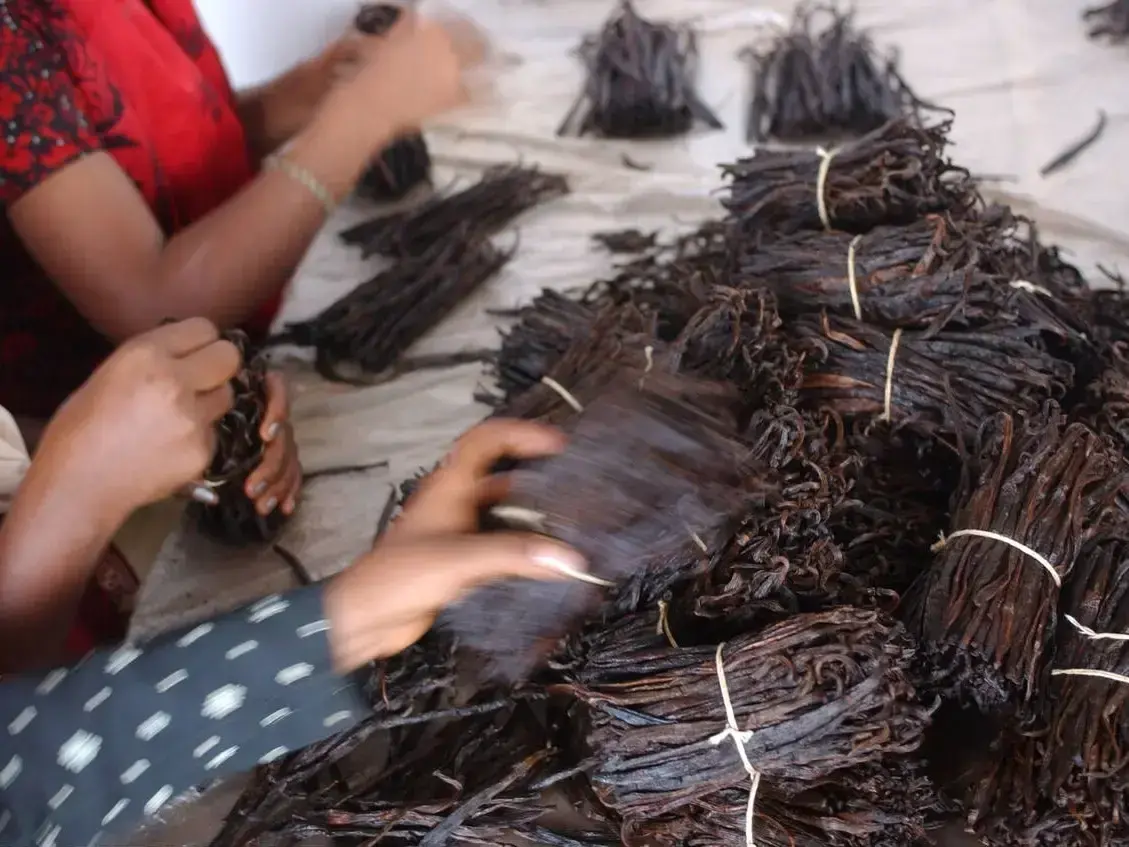
Whole vanilla beans are cured vanilla pods exported intact for top aroma, visible seed appeal, and strong use in premium food and retail. Buyers choose whole beans when they need traceability, presentation value, and flexible use later on.
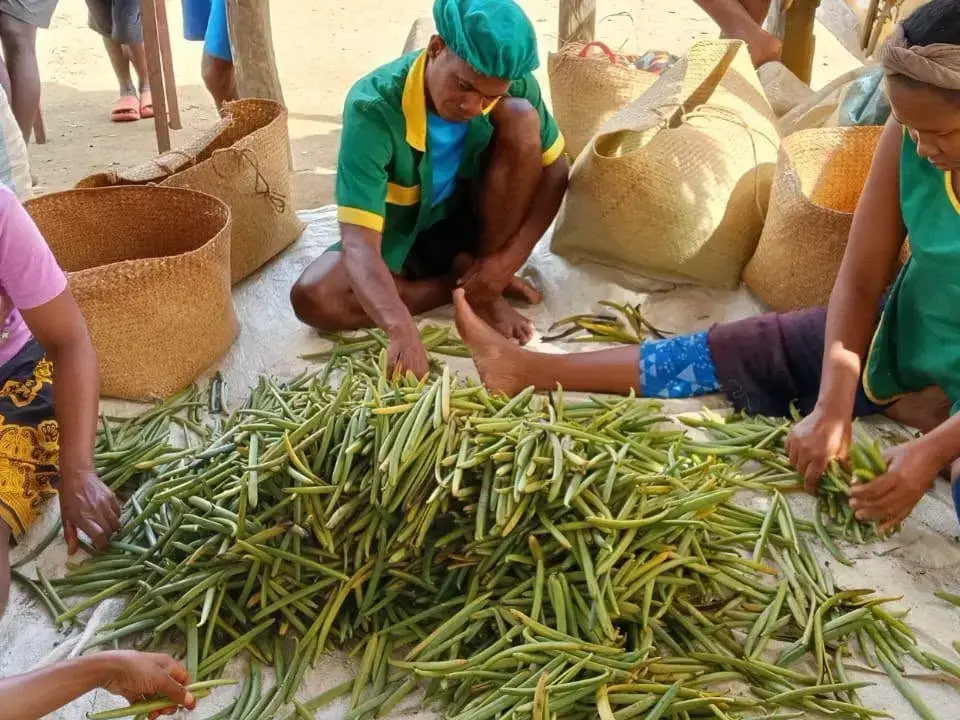
These cured vanilla pods are usually selected after careful curing and sorting. Final grade depends on moisture, color, pliability, and aroma. In Madagascar, the long curing process can create grade differences, so lot consistency matters. The humid, cyclone-prone growing zones can also raise drying and storage risk, so post-harvest handling is key.
Whole beans work best when the buyer wants to scrape seeds, infuse liquids, or sell a luxury product where the pod itself adds value. They’re less handy for fast, high-volume production, but they still lead for traceability and premium branding.
How Do Split Vanilla Beans Improve Processing Efficiency?
Split vanilla beans are opened or cut pods that increase surface exposure and help flavor release faster in extraction and infusion. They’re useful for industrial users, cost-sensitive buyers, and manufacturers who want strong vanilla character without paying for premium looks.
These vanilla cuts work well when the goal is faster infusion into syrups, alcohol bases, or dairy mixes. Because the bean is already split, flavor compounds move into the final product sooner. That helps processors control batch timing and keep production moving.
In Madagascar, long sorting cycles and inland-to-port handling can raise breakage risk. That makes split pods a practical export form when minor cosmetic damage already exists. Buyers should still check grade and traceability, because a split bean can be a smart value buy without being poor quality.
When Should Buyers Choose Vanilla Powder, Paste, or Extract?
Vanilla powder, paste, and extract serve buyers who need convenience, dosing consistency, and scalable formulation. Powder works well in dry mixes. Paste suits bakery and dessert items that need visible specks. Extract is preferred for beverages, dairy, and industrial flavoring systems.
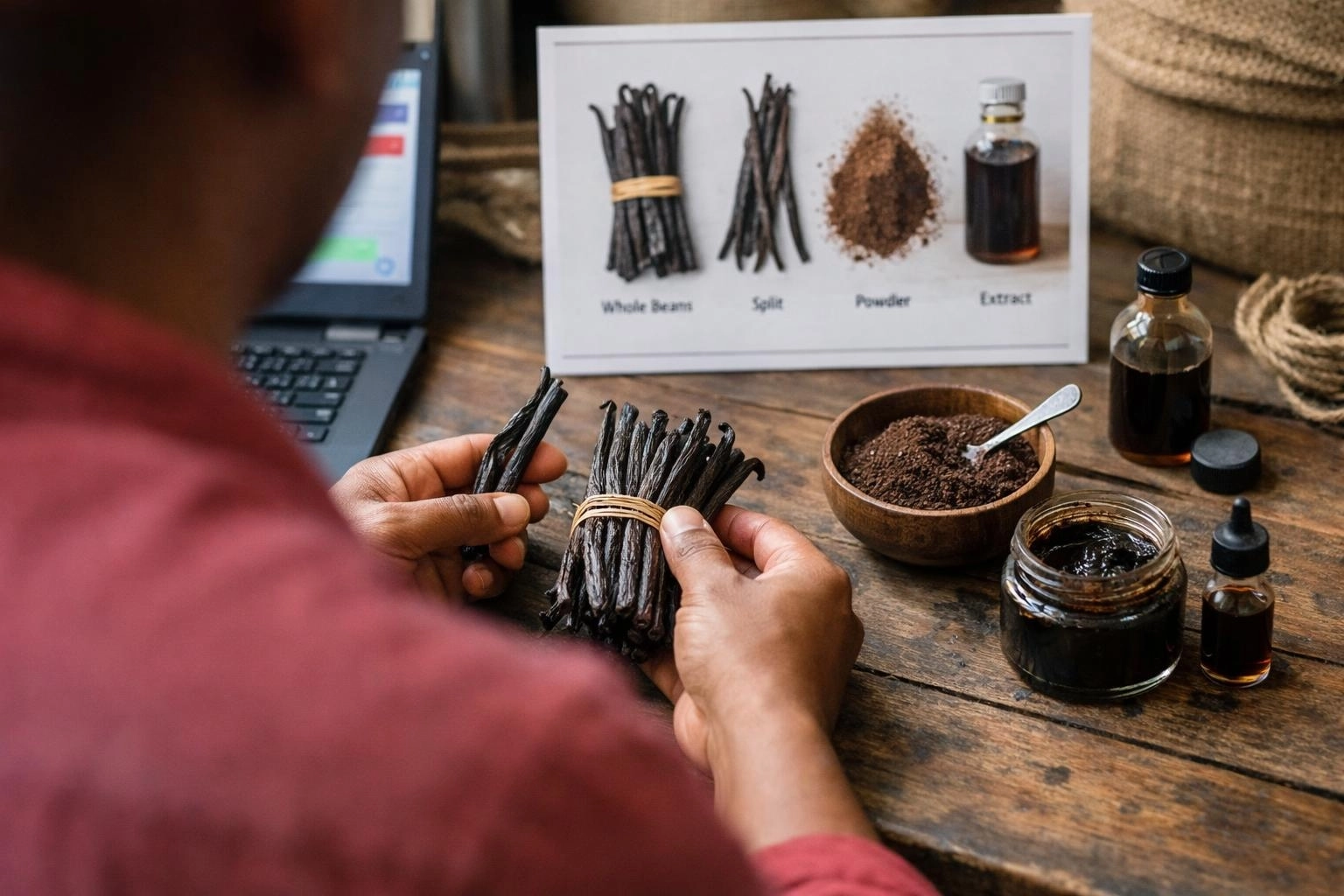
For many buyers, these export forms cut handling time and support cleaner production runs. Extract is often the simplest choice for liquid systems. Powder and paste give product developers more control over texture and presentation. Vanilla paste stands out when visible flecks signal quality.
How Do Madagascar Export Conditions Affect Each Vanilla Type?
Madagascar export conditions shape vanilla quality because climate, curing, and logistics affect moisture, contamination risk, and flavor strength. The curing process is long, and careful sorting decides whether a lot fits premium beans, split grades, powder, paste, or extract.
The island’s humid growing zones and cyclone exposure can slow drying and raise storage risk. That makes post-harvest handling very important. It matters most for whole beans and premium paste, where too much moisture or rough handling can hurt grade. For powder and extract, the main risks are contamination, consistency, and clean processing during extraction.
Remote transport from inland farms to port can also add delay and breakage risk. Buyers should expect more lot variation than in some Other origins, so traceability and quality control matter. Good suppliers manage curing, grading, and packaging closely, so the final export form matches buyer expectations.
What Should You Check Before Placing a Madagascar Vanilla Order?
Before ordering Madagascar vanilla, verify grade, moisture, traceability, packaging, and spec match. These checks protect aroma quality, lower spoilage risk, support customs clearance, and help match the right export type to the planned use and budget.
Strong procurement habits matter even more in Madagascar because logistics and climate can create shipment differences. A clear spec reduces surprises and helps you get the right flavor ingredient for production.
Why Source Vanilla Export Types from Vanillababa in Madagascar?
Vanillababa supplies Madagascar vanilla export forms matched to buyer use cases, including split vanilla, vanilla powder, and premium vanilla paste. This gives importers one sourcing partner for several specs, helping them compare formats, simplify buying, and choose the best export type for product development.
Buyers benefit from a supplier that understands curing, traceability, and batch consistency across different vanilla product types. That helps when you need one partner for bulk ingredients, bakery programs, or premium retail lines. It also helps when you want to compare extract, paste, and dry formats without juggling several vendors.
If your project needs flexible sourcing from Madagascar, contact the team to review the right format for your market.
Frequently Asked Questions
Author: Randrianantenaina Landry
Related Resources
Pricing Guide: Whole Pods, Vanilla Cuts, Extract, Paste and Powder
how much does vanilla extract paste powder pods cost
How It WorksVanilla Curing, Processing and Grading: Preparing Pods for International Export
what is the vanilla curing and grading process for export
How It WorksQuality Control & Compliance Workflow for Vanilla Exports: Lab Testing to Phytosanitary Clearance
how does quality control and compliance work for vanilla export
Compared ToOrganic Vanilla Extract vs Premium Vanilla Paste: Which Product Should Importers Source from Madagascar?
organic vanilla extract vs vanilla paste importers