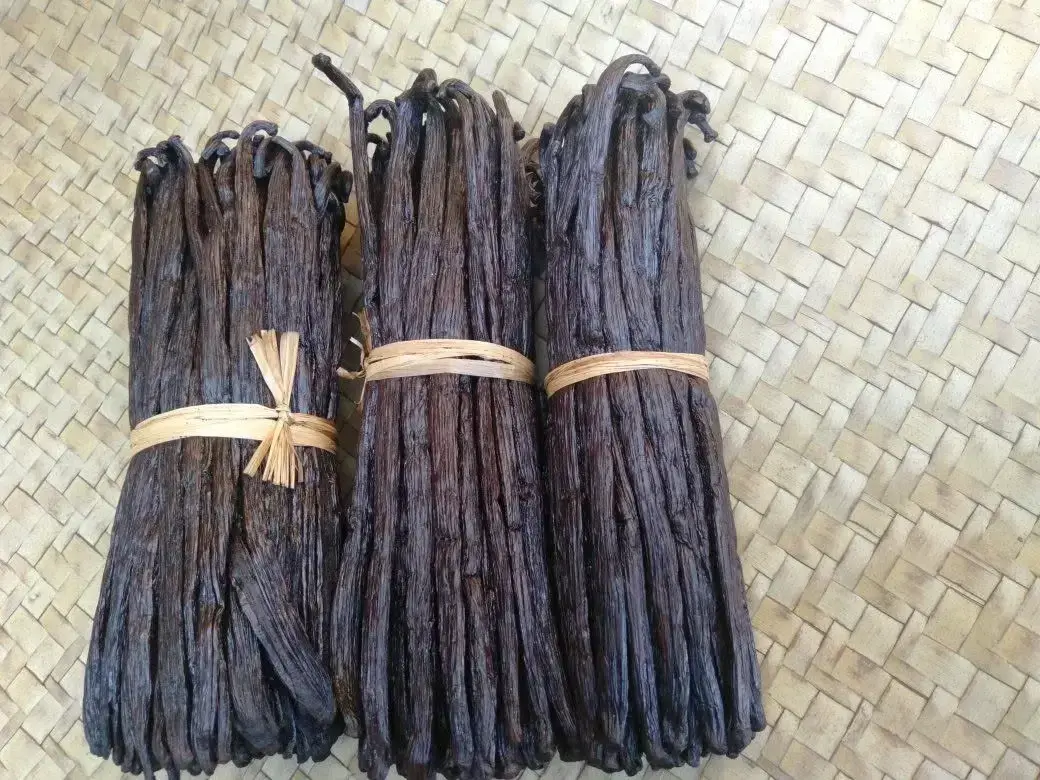
Madagascar Export Vanilla to China: Checklist & Import Requirements
To export vanilla to China from Madagascar, the exporter must prepare origin, phytosanitary, and commercial documents that meet China’s food import and labeling rules. The safest checklist includes a product specification, packing list, invoice, certificate of origin, and a phytosanitary certificate if required. Vanilla also needs careful traceability, drying, and packing to cut contamination, moisture, and inspection delays.
The main answer is simple: a Madagascar vanilla exporter needs a clean product file, buyer order details, origin records, and China import paperwork before any shipment leaves port. For export vanilla to China, the goods, documents, and labels must match so the importer can clear customs without delays or reinspection.
In practice, the exporter should match the vanilla beans grade, pack style, traceability record, and commercial terms with the buyer’s declaration. China’s import rules can change by product use, so food safety compliance, labeling, and cargo inspection should be checked early. A full export documentation file also helps the buyer prove lawful sourcing and avoid problems at arrival.
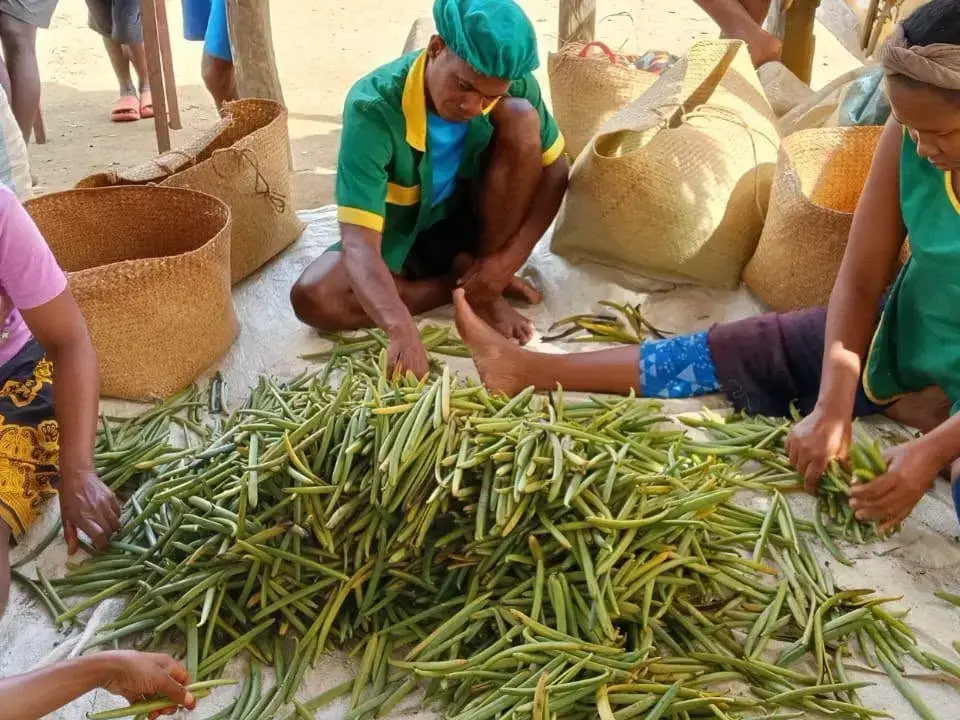
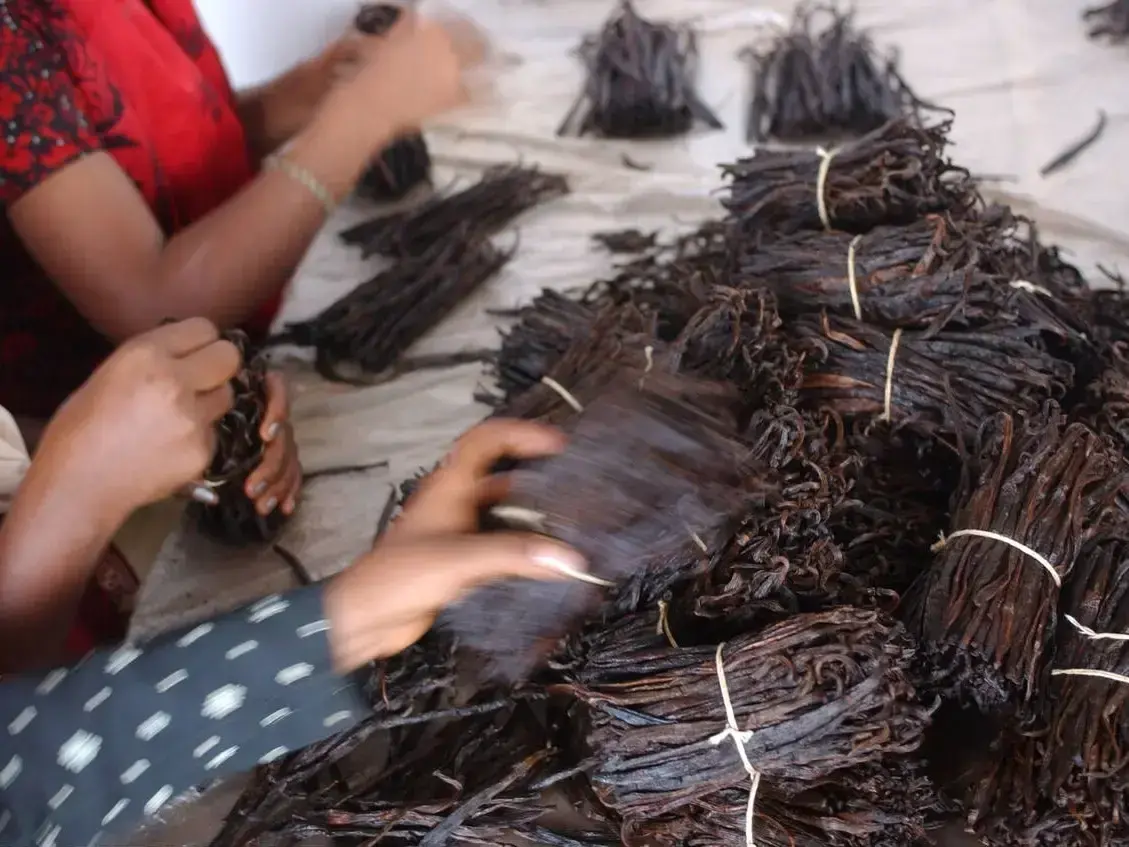
Madagascar supply chains matter too. Seasonal curing, uneven drying, and long road or port handling can affect bean condition, especially if packs are not odor-free or moisture-safe. That is why a good export checklist is more than paperwork; it helps with traceability, origin proof, and smooth customs clearance in China.
What Do You Need to Export Vanilla to China from Madagascar?
Madagascar vanilla exporters need a compliant product file, buyer order details, origin documentation, packing records, and China-ready import paperwork before shipping vanilla to China. The shipment must match food safety, traceability, labeling, and customs rules so the importer can clear goods without avoidable delays.
Start with the buyer’s specification and confirm the product form, whether it is whole vanilla beans, graded vanilla pods, or dried vanilla beans. Then build the file around food import documentation: commercial invoice, packing list, certificate of origin, and any required phytosanitary certificate. The Chinese importer may also need product registration or filing details depending on the route and use, so check the shipment plan before cargo booking.
The certificate of origin matters because it supports the declared source of the goods and helps the buyer match customs records to the export file. For a Madagascar vanilla exporter, this is especially important when bean lots come from different farms or cure locations. Strong traceability links the lot, grade, and packing date to one commercial batch.
Local conditions matter too. Madagascar’s vanilla quality changes with curing and drying, so moisture control and odor-free storage affect China clearance risk. If road and port logistics add handling time, the pack should protect the beans from re-wetting, crushing, and contamination before inspection.
Before Shipping: Your Vanilla Export Checklist
Before shipping vanilla to China, the exporter should verify buyer details, product grade, packaging, traceability, and all core export documents. A complete pre-shipment checklist reduces inspection delays, prevents mismatched paperwork, and helps the Madagascar exporter prove origin, condition, and intended use.
For Madagascar shipments, keep the file consistent from farm gate to port. Seasonal harvest and post-harvest handling can create uneven grading, so standardizing lots before export helps avoid a document-to-cargo mismatch. If the exporter works through a broker or freight forwarder, the same facts should appear across buyer documentation, transport booking, and the export checklist.
Documents to Prepare Before You Book Cargo
Product Checks That Prevent Rejection
A practical exporter also checks that packaging is clean, strong, and sealed well enough for road movement to port. Because Malagasy logistics can be slow, pack integrity becomes part of the compliance file, not just a warehouse detail.
During Shipment: China Import Requirements and Customs Clearance
During shipment, vanilla for China must match the importer’s customs declaration, product classification, and inspection process. The exporter should make sure the goods, labels, and documents all match, because gaps between the invoice, packing list, origin records, and cargo contents often cause clearance delays.
The safest approach is to treat customs clearance as a matching exercise. If the shipping line, customs declaration, and buyer records all describe the same agricultural export compliance file, the process is usually faster. If the cargo is meant for food use, the importer should also keep food safety compliance evidence ready in case authorities ask for it.
For a Madagascar vanilla exporter, this stage often depends on timing. Port delays, repeated handling, or late document changes can raise doubts about moisture condition or lot integrity, so shipping instructions should stay stable from dispatch to arrival. Where the buyer needs it, the Chinese labeling requirements should be discussed before the cargo lands, not after inspection release.
Red Flags That Can Stop Your Vanilla Shipment
Vanilla shipments to China are most likely to be delayed or questioned when documents do not match the cargo, labels are incomplete, product condition is poor, or traceability is weak. Red flags usually point to hygiene, moisture, origin, or paperwork issues that the importer must fix before clearance.
Other warning signs include vague lot codes, missing source records, and a product description that changes between booking and arrival. In Madagascar, where harvest timing and post-harvest handling can vary by region, standard grading and proper curing are especially important to prevent rework at the border.
If the buyer or broker cannot connect the cargo to a clean traceability file, the shipment may be held while the importer explains the origin story. That is why the best vanilla export to China files are simple, consistent, and ready for review before the vessel sails.
After Customs: What the Importer Should Keep on File
After customs clearance, the importer should keep the full shipment file, including labels, invoices, origin records, inspection outcomes, and release documents. Keeping these records supports audit readiness, future repeat orders, and faster resolution if Chinese authorities or the buyer later ask for proof of compliance.
| Record to keep | Why it matters | Who uses it |
|---|---|---|
| Import records | Show what entered China, when it arrived, and how it was declared. | Importer, broker, compliance team |
| Inspection release | Proves the cargo passed review and may move to storage or sale. | Importer, warehouse, buyer |
| Traceability file | Links the lot to the source farm, curing steps, and packing date. | Compliance team, auditor, buyer |
| Buyer compliance file | Supports repeat orders, audits, and future food safety checks. | Importer, buyer, quality team |
Good recordkeeping also helps when the buyer places another order for whole vanilla beans or another graded lot. If the same source, labels, and HS code were accepted before, the next shipment can move faster because the importer already has a strong reference file.
Frequently Asked Questions
Randrianantenaina Landry writes on Madagascar export compliance with a focus on vanilla, shipment readiness, and buyer-facing documentation.
Related Resources
Export Pricing to China, Asia, Europe, America and UAE: Freight, Duties and Landing Costs
how much does it cost to export Madagascar vanilla to China/Europe/USA/UAE
What It CostsCertification & Traceability Costs: Organic, Batch Traceability and Export Documentation Premiums
how much extra does organic certification and traceability add to vanilla export cost
What It CostsPackaging, Insurance and Compliance Costs for International Vanilla Buyers
what are packaging insurance and compliance costs for exporting vanilla from Madagascar
How It WorksQuality Control & Compliance Workflow for Vanilla Exports: Lab Testing to Phytosanitary Clearance
how does quality control and compliance work for vanilla export