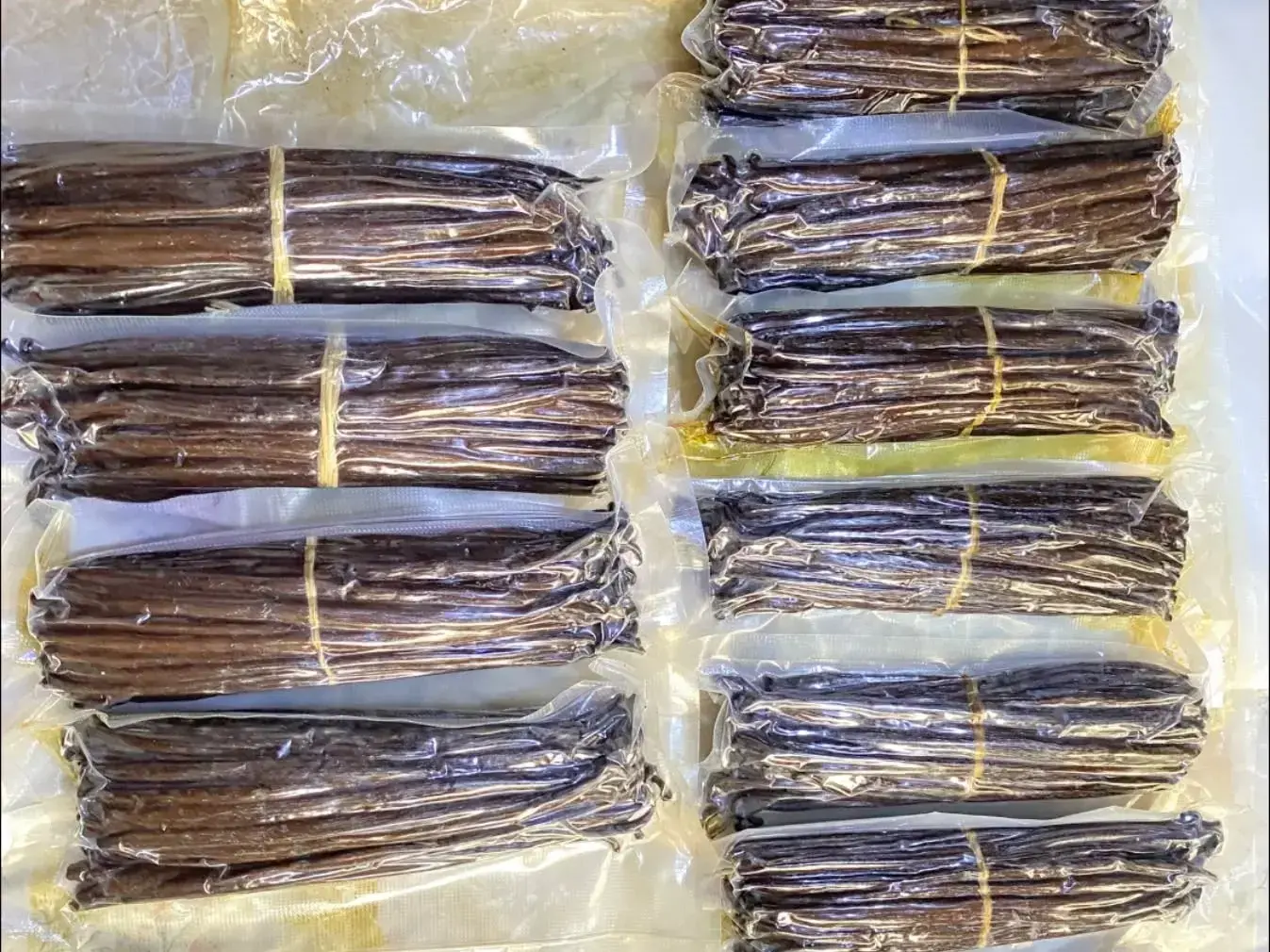
Madagascar Vanilla Export Certification & Audit Readiness Checklist
Vanillababa helps Madagascar vanilla exporters show they’re ready for audits by checking licences, insurance, quality controls, and buyer audit files before shipment. The vanilla export certification checklist audit readiness process should verify company registration, export permissions, traceability records, product specifications, food-safety documents, and insurance coverage. Then it should test the full buyer-audit pack for gaps, expiry dates, and matching details. That cuts delays, failed inspections, and contract risk.
What the Vanilla Export Certification Checklist Must Prove in Madagascar?
In practice, that means the file set must show Madagascar export compliance, active controls from farm to packhouse, and clear links between the product on paper and the goods in the container. Buyers usually look for buyer audit readiness first, then they check whether the document control is consistent.
A strong compliance process is not just about having certificates. It also shows an audit trail, batch coding, chain of custody, and quality assurance records that match the vanilla lot being shipped. For Madagascar exporters, this matters because port timing, customs clearance, and inland transport can move fast. Missing pages or mismatched labels can stop the handover. A reliable certification checklist works like a quality control system. It proves who handled the lot, when it was checked, and which documents support each step.
Buyers and auditors also expect the export file to be easy to review. That means the exporter can present the right supplier verification notes, product specification sheet, insurance certificate, and proof of compliance in one place. If the pack is organized, the inspection goes faster and nonconformities are easier to close. In short, the checklist must prove legal status, product identity, and document control before the shipment leaves Madagascar.
Before You Export: Licences, Registrations, and Insurance to Verify
Before export, Madagascar vanilla exporters must confirm business registration, valid export permissions, and active insurance so customs, buyers, and auditors can verify the company is legally operating and financially protected. This step is the front line of the export compliance checklist, and it should be checked before packing starts, not after the cargo is ready.
Local workflow matters here. Madagascar’s export workflow often depends on coordinated document handling between local offices and port-side shipping timing, so missing paperwork can delay departures. That is why the exporter should build a simple renewal calendar for licences and insurance, then tie it to customs clearance dates and shipping bookings. In many cases, a document that is technically correct but not available at the right moment still causes a delay.
Because inland-to-port transport can vary, insurance should also reflect staging, warehousing, and transit handling. The goal is not just legal compliance. It’s shipment readiness. If the business registration, export permissions, and policy documents are all current, the auditor can focus on the shipment itself instead of asking basic legal questions.
During Preparation: The Quality and Traceability Records Auditors Expect
During preparation, auditors expect a clean traceability trail from farm or supplier lot to finished vanilla shipment, plus quality checks, batch records, and inspection notes that match the product being sold. In Madagascar, the best traceability system links source lots, batch coding, and chain of custody so every package can be traced back without confusion.
The humid tropical climate raises the importance of moisture control, packaging integrity, and storage conditions during pre-export inspection and buyer review. That means the exporter should document drying checks, safe storage, and packhouse handling in the same file set as the batch records. If the climate pressure is high and the paper trail is weak, auditors will question whether the lot stayed stable before shipment.
Good preparation also means the certificate of analysis is ready before the buyer asks for it. The certificate of analysis should sit beside inspection records, supplier declarations, and product specifications so the buyer can see the same lot described in every document. When a certificate, a label, and the physical goods all tell the same story, the supplier verification step becomes much easier.
For most audits, the key question is simple: can the exporter prove where the vanilla came from, how it was handled, and why it meets the stated specification? If the traceability system and quality assurance records answer that clearly, the audit usually moves faster and with fewer nonconformities.
Buyer Audit Pack: The Documents That Prevent Delays and Nonconformities
A strong buyer audit pack combines certificates, specifications, test results, declarations, and insurance proof into one consistent file set so auditors can confirm the shipment meets contractual and compliance requirements. For Madagascar vanilla, the certificate pack should be complete, current, and easy to compare across the product, the contract, and the shipping documents.

| Document group | What it proves | Why buyers check it |
|---|---|---|
| Certificate pack | Legal, quality, and shipment proof in one file set | Shows the exporter can present organized certification during review |
| Specification sheet | Grade, form, moisture target, and product description | Confirms the lot matches the contract and label claims |
| COA | Lab-backed product proof for key parameters | Supports food-safety review and technical acceptance |
| Supplier declarations | Source, handling, and compliance statements from the supply chain | Helps confirm chain of custody and supplier verification |
| Insurance proof | Cargo insurance and related coverage details | Shows risk transfer is covered during transit and storage |
The best buyer-audit pack is not just a folder of files. It is a controlled document set with version control, clear signatures, and matching lot references. That is why document control matters as much as the paper itself. If a specification sheet says one thing and the COA says another, the buyer may stop the review and ask for a corrective action plan.
To avoid that, exporters should compare the shipping marks, batch coding, supplier declarations, and the certificate of analysis before sending the pack. This is especially important when customs clearance, packing, and dispatch are happening close together. A clean certificate pack shortens review time, reduces back-and-forth questions, and supports buyer audit readiness.
Red Flags That Usually Fail a Vanilla Export Audit
The most common audit failures are expired licences, missing signatures, inconsistent lot codes, weak traceability, and documents that do not match the actual vanilla lot or buyer specification. If you spot these early, you can fix them before the buyer or third-party auditor flags a nonconformity.
These problems are avoidable if the exporter keeps the audit trail current and checks every page before submission. In Madagascar, paperwork delays can happen quickly when transport timing, port handover, and office coordination overlap. That makes consistency just as important as completeness.
After the Audit: Corrective Actions and Ongoing Readiness
After the audit, exporters should close findings fast, update controlled documents, assign renewal dates, and keep the same evidence pack ready for the next buyer review or surveillance audit. The fastest way to stay ready is to treat the checklist as a living quality control system, not a one-time compliance task.
Seasonal logistics limits and inland-to-port transport changes make up-to-date insurance, inspection timing, and document control especially important for shipment readiness. In practical terms, that means you should refresh the pack before every sale, not only when a buyer requests it. A strong renewal calendar reduces last-minute pressure and supports repeat approvals.
For Vanillababa clients and Other exporters, the aim is steady readiness: one controlled set of records that can support the next audit, the next customs clearance, and the next contract review without rebuilding everything from scratch. If the corrective action plan is closed and the records stay current, the exporter is far less likely to face repeat nonconformity.
Frequently Asked Questions
Author: Randrianantenaina Landry
For help organizing your buyer audit pack or document verification checklist, use our contact page to request support before shipment.
Related Resources
Certification & Traceability Costs: Organic, Batch Traceability and Export Documentation Premiums
how much extra does organic certification and traceability add to vanilla export cost
What It CostsPackaging, Insurance and Compliance Costs for International Vanilla Buyers
what are packaging insurance and compliance costs for exporting vanilla from Madagascar
How It WorksQuality Control & Compliance Workflow for Vanilla Exports: Lab Testing to Phytosanitary Clearance
how does quality control and compliance work for vanilla export
How It WorksCustoms Documentation & Export Clearance Process for Vanilla: Paperwork, Certificates and Tariffs
what paperwork is needed to export vanilla from Madagascar