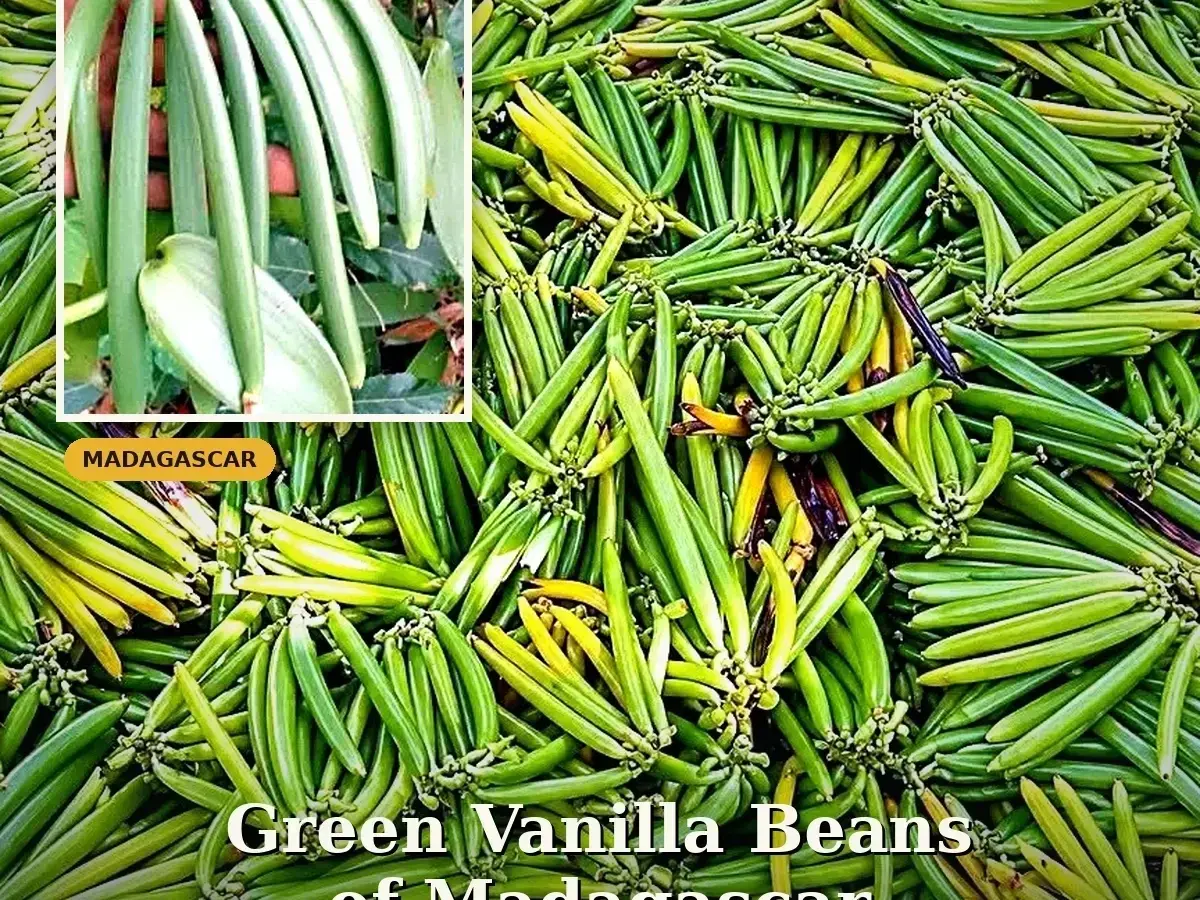
Buying Vanilla Direct from Madagascar vs Using a Distributor
Buying vanilla direct from Madagascar can lower costs and give you better control over each batch. You also get clearer traceability, stronger contract terms, and closer control over export documents. Using an international distributor can cut paperwork and make small or urgent orders easier. If you can handle supplier checks, pre-harvest planning, and shipment coordination, direct sourcing usually works better. If you need speed, small lots, or a simpler import process, a distributor may be safer.
Direct Sourcing from Madagascar Usually Lowers Cost and Raises Control
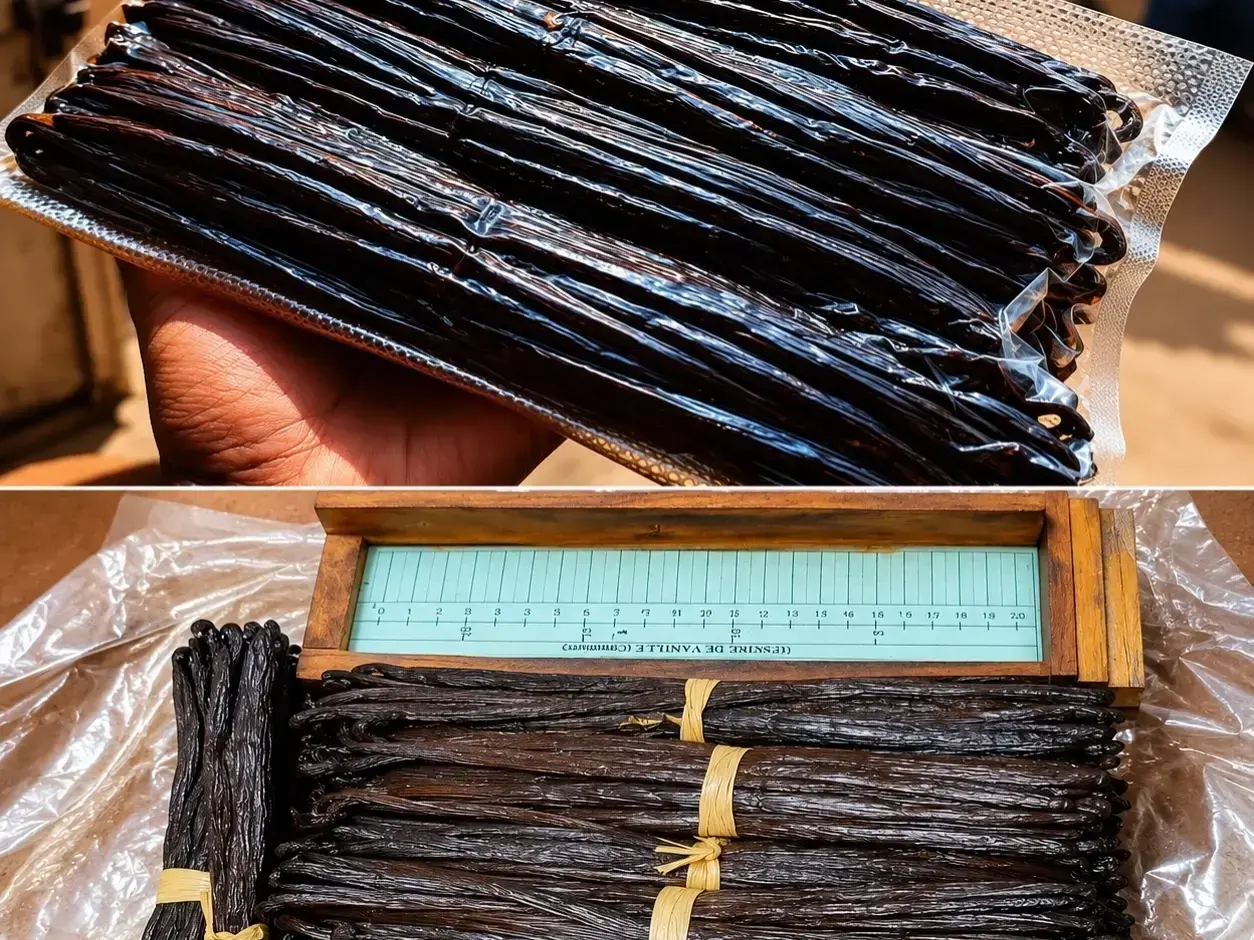
Direct sourcing from Madagascar often gives better unit pricing and tighter control. Buyers cut out extra markups, negotiate closer to the source, and get clearer batch-level traceability. A Madagascar vanilla exporter can also help with grading, packaging, and lot selection. An international distributor may make buying easier, but it often adds margin and hides some price details.
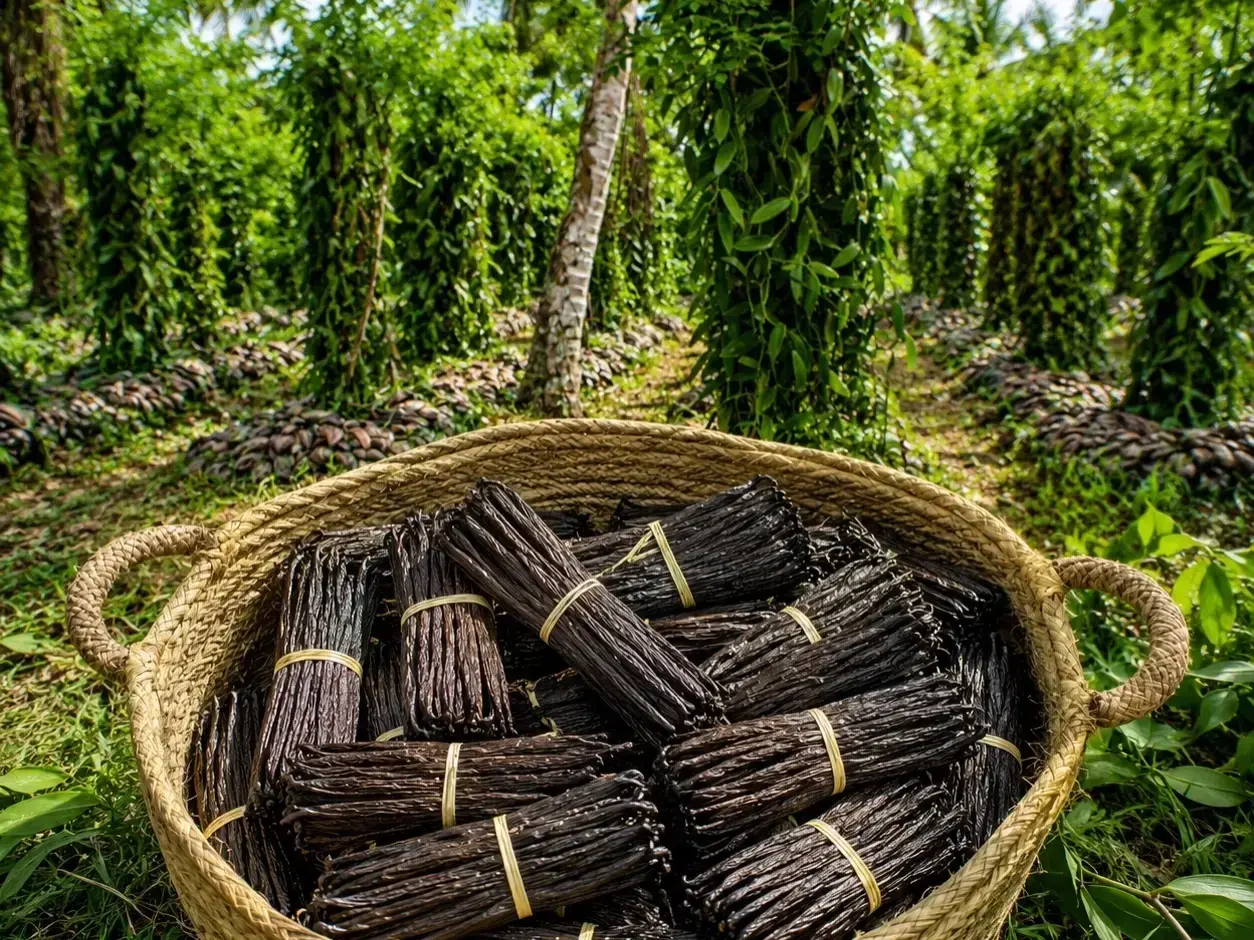
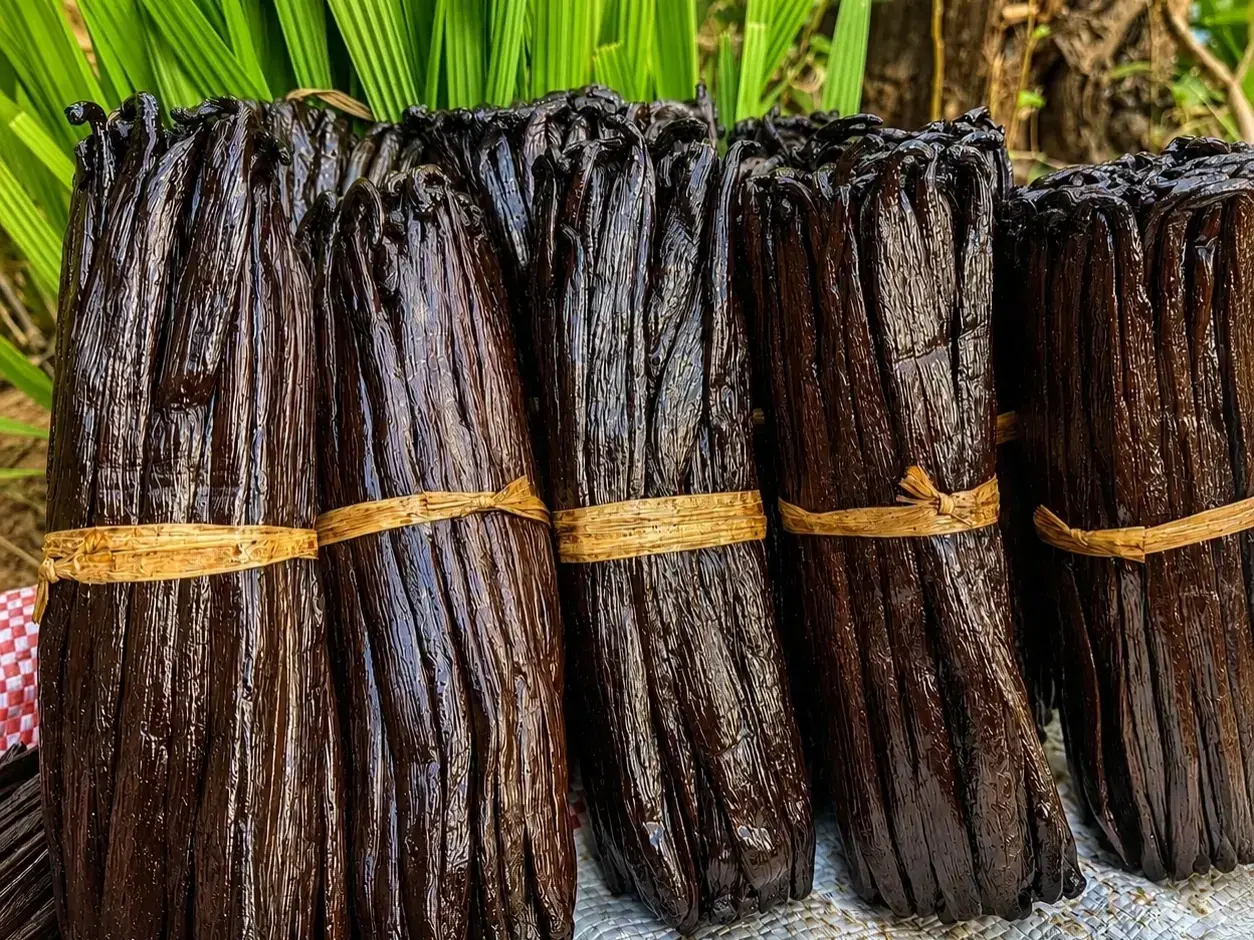
That gap matters because origin buying is about more than price. It also affects landed cost, contract flexibility, and how much control you have over green vanilla beans and cured vanilla beans. In Madagascar, harvest timing, curing style, and local sourcing habits all affect batch consistency. Direct access lets buyers review grades earlier and match supply with demand.
For larger or repeat orders, buying at origin often gives more leverage. You can ask for pre-harvest contracts, set moisture targets, and request shipment tracking before the goods leave port. A distributor can still fit some buyers well, but the tradeoff is less view into the supply chain. You also have less room to fix problems before customs clearance.
Quick Comparison: Direct from Madagascar vs Distributor
A direct Madagascar exporter usually wins on price control, lot transparency, and contract flexibility, while an international distributor usually wins on speed, easier communication, and lower onboarding friction. The right choice depends on whether the buyer values origin control and margin efficiency more than convenience and lower operational complexity.
| Factor | Option A | Option B |
|---|---|---|
| Cost | Direct sourcing from Madagascar usually has lower margin stacking and better landed cost control. | Distributor pricing is often higher because handling, inventory buffering, and resale margin are built in. |
| Timeline | Origin buying often needs longer lead time for pre-harvest planning, export documentation, and freight forwarding. | A distributor can shorten buying friction and move faster for urgent replenishment. |
| Maintenance | Direct supply needs more supplier due diligence, customs documents review, and shipment coordination. | Distributor buying usually means less internal maintenance because the intermediary handles more of the process. |
| Best for | Brands seeking traceability, quality control, and steady long-term sourcing from origin. | Buyers needing import convenience, smaller lots, or quick access with less procurement complexity. |
In practical terms, wholesale sourcing from origin suits businesses that can manage procurement discipline. A middle-tier buying model suits teams that want a simpler supply chain procurement process. For single-origin vanilla, the direct route also gives better visibility into grading and packaging decisions.
What Risks Change When You Buy at Origin?
Buying at origin raises the buyer’s exposure to supplier checks, harvest changes, document accuracy, and shipment timing. That happens because the buyer is closer to farming and logistics realities. They are still harder to control than buying through a distributor.
These factors do not make direct buying unsafe. They make it more demanding to manage. Buyers who prepare for local field realities, from curing changes to transport gaps, usually get stronger results than buyers who assume origin sourcing works like domestic reselling.
Pros and Cons of a Direct Madagascar Exporter
A direct Madagascar exporter is best when the buyer wants stronger control over supply, grading, and contract terms. It does require more sourcing discipline inside the buying team. The main advantages are origin access, clearer pricing, and better traceability. The main drawbacks are more coordination, longer planning cycles, and heavier reliance on exporter skill.
Pros
Cons
For a buyer who values supply chain procurement discipline, the direct model usually pays off. For a buyer that wants simple reordering, the extra work can outweigh the savings.
Pros and Cons of an International Distributor
An international distributor is best when the buyer values convenience, smaller order flexibility, and lower import complexity. The tradeoff is usually higher landed cost, less visibility into origin handling, and less control over the exact lot, curing profile, or contract structure that the buyer receives.
Pros
Cons
Distributors are useful when speed matters more than origin control. If your business depends on product identity, batch-level quality, or long-term sourcing efficiency, the convenience premium can get expensive.
Which Option Fits Your Buying Situation?
The best choice depends on order volume, lead time, and procurement maturity. Direct sourcing fits buyers who can plan ahead and manage origin documents. Distributor buying fits buyers who need faster fulfillment and less operational complexity. If your business needs stable long-term supply, direct contracts usually create more leverage.
For Madagascar in particular, local harvest rhythm and curing practices make early planning valuable. Buyers who understand the seasonal cycle and the remote logistics from producing regions usually get better supply security than buyers who wait until they are out of stock.
How Vanillababa Reduces Direct-Sourcing Risk in Madagascar?
That makes direct buying from Madagascar more practical for buyers who want origin control without taking on extra compliance or shipment risk.
For teams comparing a Madagascar vanilla exporter against an international distributor, this model keeps the benefits of direct sourcing while lowering the paperwork load and the chance of customs clearance problems. It also supports traceability, shipment tracking, and clearer batch handling from origin to destination.
Frequently Asked Questions
Contact the team to compare direct sourcing and distributor options for your next vanilla order.
Related Resources
Certification & Traceability Costs: Organic, Batch Traceability and Export Documentation Premiums
how much extra does organic certification and traceability add to vanilla export cost
What It CostsHow Seasonality and Pre-Harvest Contracts Affect Vanilla Prices in Madagascar
how does Madagascar vanilla season affect prices and what do pre-harvest contracts cost
What It CostsPackaging, Insurance and Compliance Costs for International Vanilla Buyers
what are packaging insurance and compliance costs for exporting vanilla from Madagascar
How It WorksSourcing & Contracting Process for Vanilla Export: Pre-harvest Contracts and Supplier Verification
how does vanilla pre-harvest contract sourcing work for exporters