What is Vanilla Trade?
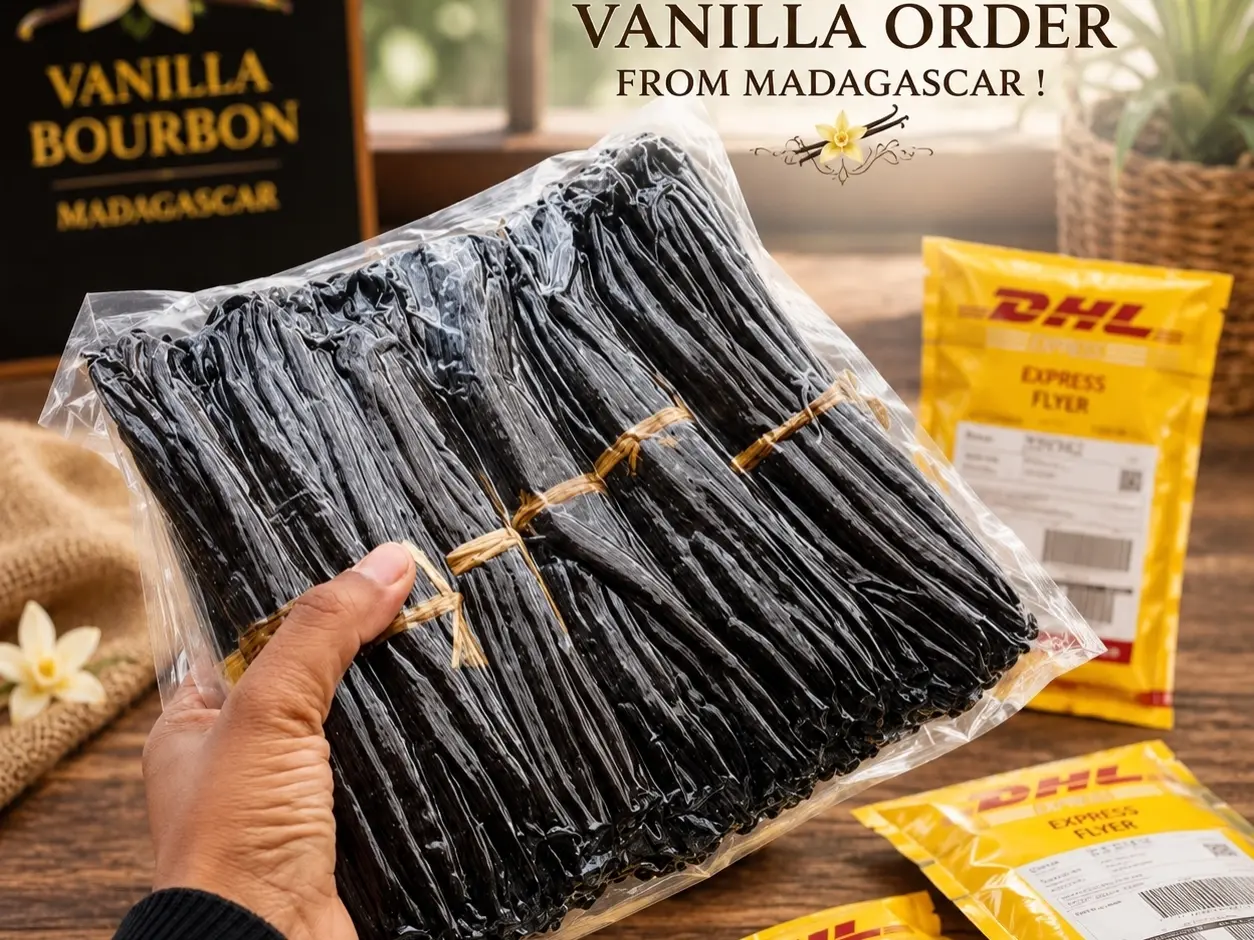
Vanilla Trade is the global exchange of vanilla beans, pods. And derivatives between producers, processors. And consumers. It involves cultivating, harvesting, grading. And shipping vanilla to meet market demands for culinary, cosmetic. And pharmaceutical uses. The trade operates through contracts, pricing mechanisms.
Quick Facts About Vanilla Trade
Category
Agricultural commodity trade
Used for
Culinary, cosmetic. And pharmaceutical applications
Common confusion
Confused with vanilla extract or vanilla flavoring, which are processed forms of vanilla.
Also called
Vanilla Export, Vanilla Import
Often discussed with
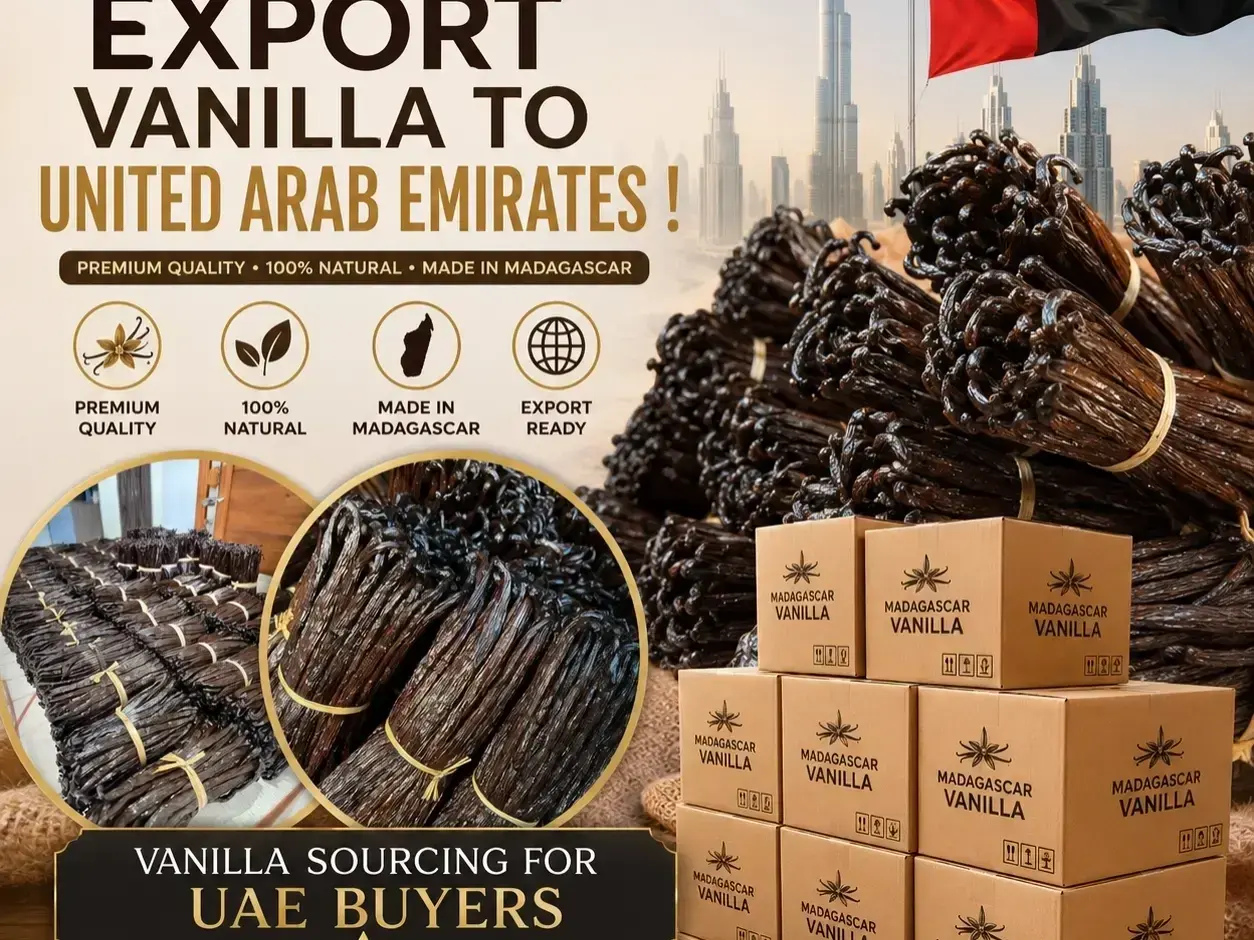
Export vanilla to Europe
Key Takeaways About Vanilla Trade
- Vanilla Trade involves the exchange of vanilla beans, pods.
- It relies on quality grading, market pricing.
- Vanilla Trade supports economies in producing countries like Madagascar through agricultural and export activities.
Understanding Vanilla Trade
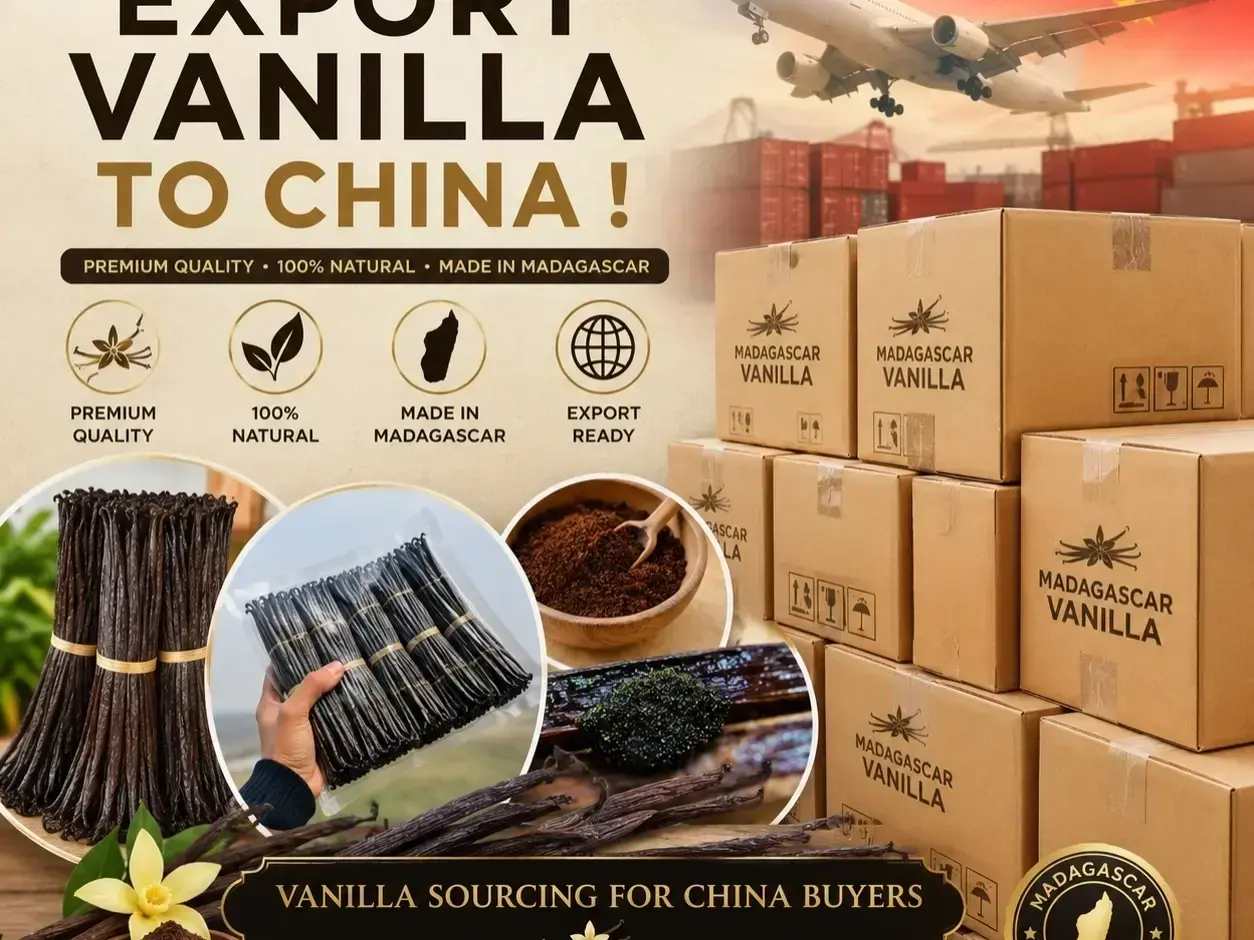
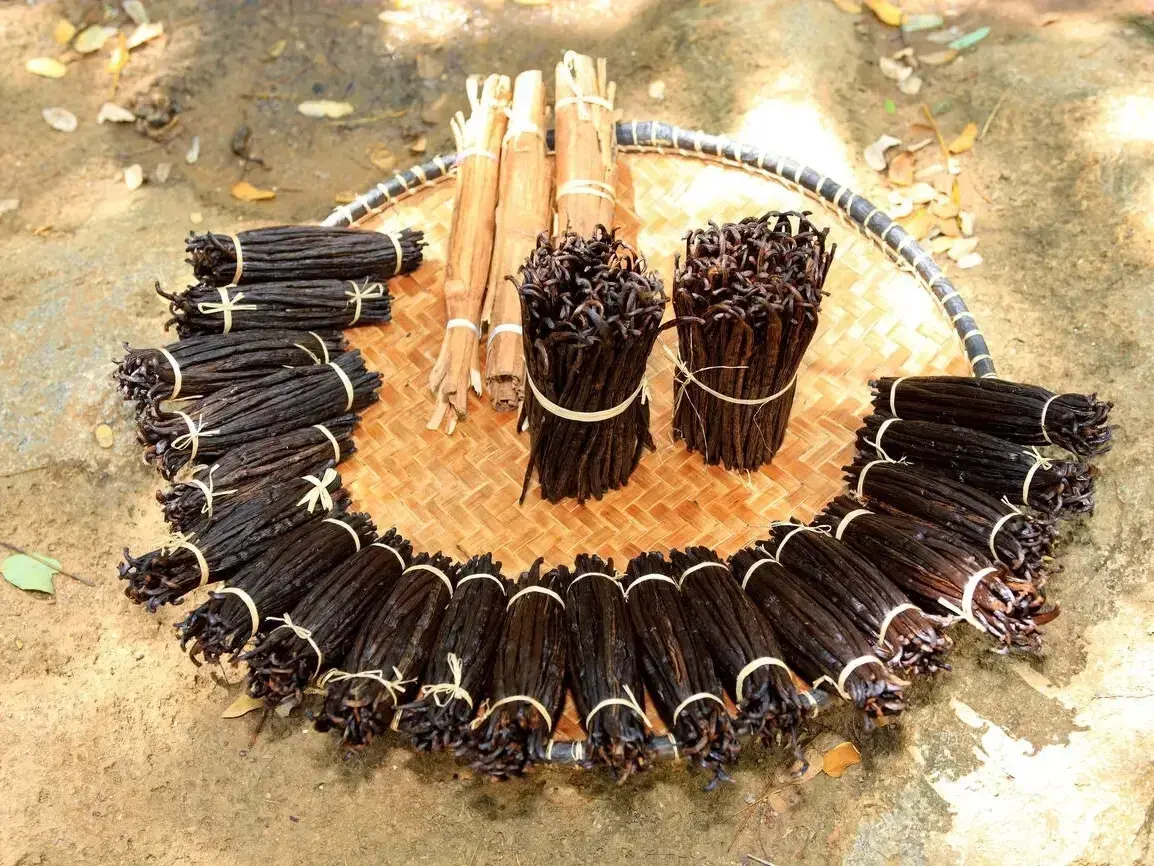
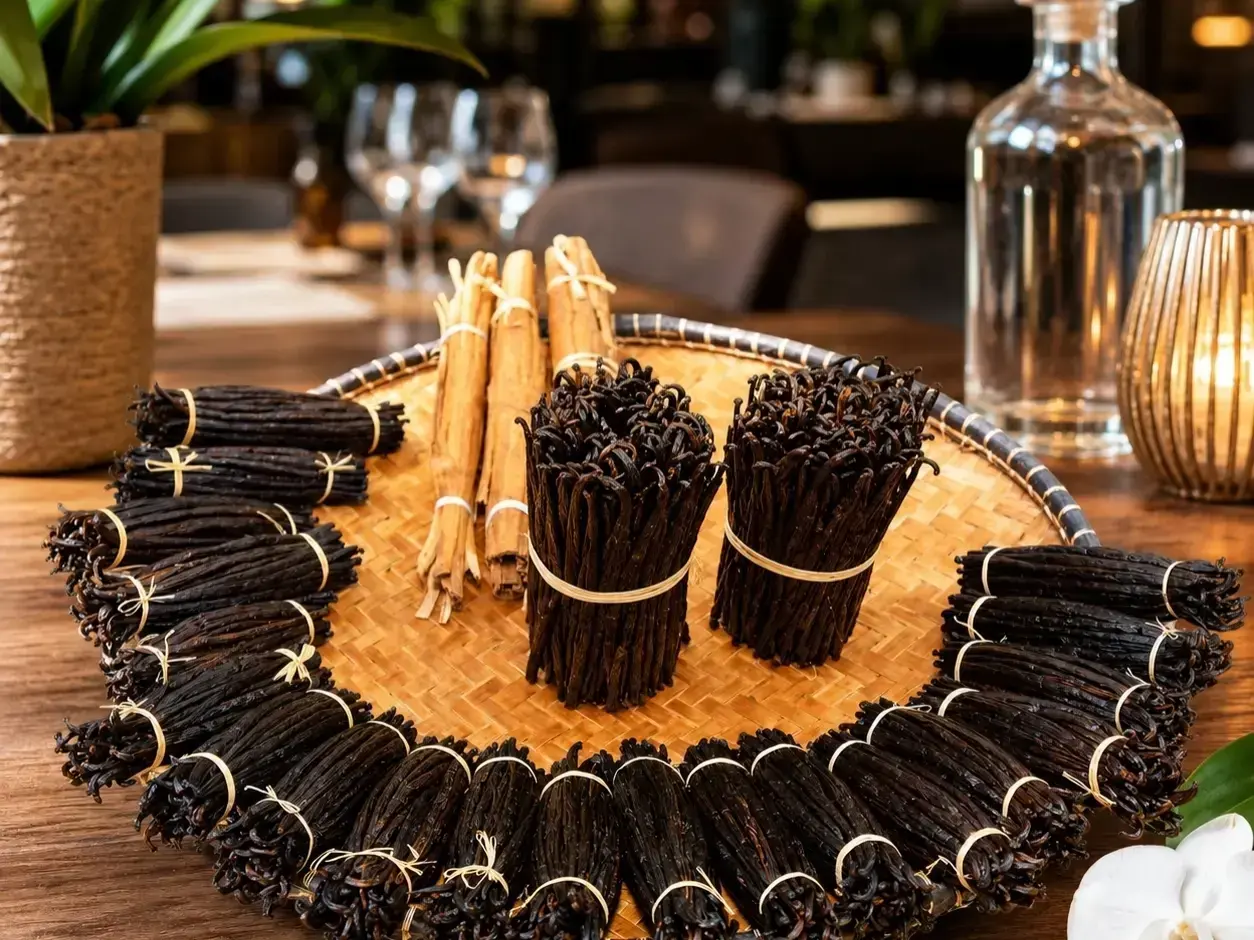
Vanilla Trade is the process of moving vanilla products from where they're grown to where they are used. This includes cultivating vanilla orchids. It also includes harvesting their pods. Then grading, packaging, and shipping these pods to buyers around the world. Vanilla is primarily grown in tropical regions. Madagascar is one of the largest producers.
Related glossary terms: Vanilla Beans, Vanilla Export, Vanilla Market.
The trade involves multiple stages. It goes from farm to market. It requires adherence to quality standards. These standards ensure the product meets consumer expectations. Weather conditions influence the trade. They can affect the yield and quality of vanilla. Market demand also affects the trade. It fluctuates based on trends in food and fragrance industries.
Vanilla Trade is often regulated. International bodies and local governments regulate it. These regulations ensure fair practices. They also ensure sustainable production. These rules help maintain the product's integrity. They protect both producers and consumers.
How Vanilla Trade Works, Is Measured, or Is Used?
Vanilla Trade operates through a network. This network includes producers, middlemen. And buyers. Producers sell their vanilla to local buyers. These buyers then export the product to international markets. The trade is measured in quantity, quality. And price. Quality is determined by pod length. It is also determined by moisture content and aroma.
These factors are assessed through grading systems. These systems classify vanilla into categories. Examples include Grade A and Grade B. Pricing in Vanilla Trade is influenced by supply and demand. It is also influenced by production and transportation costs. International trade agreements and tariffs affect the final price. The trade is often conducted through contracts. These contracts outline the terms of sale. They include payment methods, delivery schedules. And quality specs. These contracts help ensure both parties meet their obligations. They maintain a stable trade relationship.
Why Vanilla Trade Matters?
Vanilla Trade is significant. It supports the livelihoods of farmers and workers. In Madagascar, vanilla is a major cash crop. It contributes to the country's economy. The trade provides income for thousands. It helps sustain local communities. It also plays a role in global markets. Vanilla is a key ingredient in many products. These include baked goods, perfumes. And medicines.
The importance of Vanilla Trade extends to sustainability. Sustainable practices preserve natural resources. They reduce the environmental impact of farming. Ethical trade practices ensure fair wages. They also ensure environmentally responsible methods. These factors contribute to the trade's long-term viability. They also help the communities involved.
When Vanilla Trade Matters Most?
Vanilla Trade is most critical during high demand or supply shortages. For example, when the food industry uses more vanilla, prices rise. This can affect producers and consumers. Higher prices may increase costs for vanilla-containing products. When there is an oversupply, prices drop. This impacts the income of farmers and producers.
- High demand in the food and fragrance industries
- Supply shortages due to weather or political instability
- Fluctuating prices affecting market stability
How to Evaluate Vanilla Trade?
- Check the quality grade of vanilla to ensure it meets industry standards.
- Compare prices against market benchmarks to assess fair value.
- Verify compliance with international trade regulations and certifications.
Related Concepts Compared
Vanilla Trade vs. Vanilla Extract
Vanilla Extract is a processed form of vanilla made by soaking vanilla pods in alcohol, whereas Vanilla Trade refers to the exchange of raw vanilla products.
Vanilla Trade vs. Vanilla Flavoring
Vanilla Flavoring is a synthetic or natural product used to add vanilla taste to foods, while Vanilla Trade involves the trade of actual vanilla beans and pods.
Expert Note
Sustainable practices in Vanilla Trade are essential for long-term economic and environmental stability in producing regions.
Common Mistakes or Myths About Vanilla Trade
- Confusing vanilla pods with vanilla extract or flavoring.
- Overlooking the importance of quality grading in trade transactions.
- Ignoring the impact of weather on vanilla production and trade.
Vanilla Trade in Practice: A Real-World Example
A farmer in Madagascar harvests vanilla pods, which are then graded and sold to an exporter. The exporter ships the pods to a buyer in Europe, where they are used in the production of premium chocolate products.
Sources & Further Reading on Vanilla Trade
- International Trade Centre
- Vanilla Association of Madagascar
Related Services
Related Terms
Vanilla Beans
Vanilla Beans is the cured and dried pod of the Vanilla planifolia orchid, used as a…
Vanilla Export
Vanilla Export is the process of shipping vanilla beans or vanilla products from Madagascar to international…
Vanilla Market
Vanilla Market is a global network of buyers, sellers, And traders who exchange vanilla beans, extracts…
Vanilla Quality
Vanilla Quality is the standard of characteristics that determine the value, usability, And marketability of vanilla…
Vanillababa
Have Questions About Vanilla Trade?
Contact Vanillababa for practical guidance on Vanilla Trade and related vanilla export work in Madagascar.