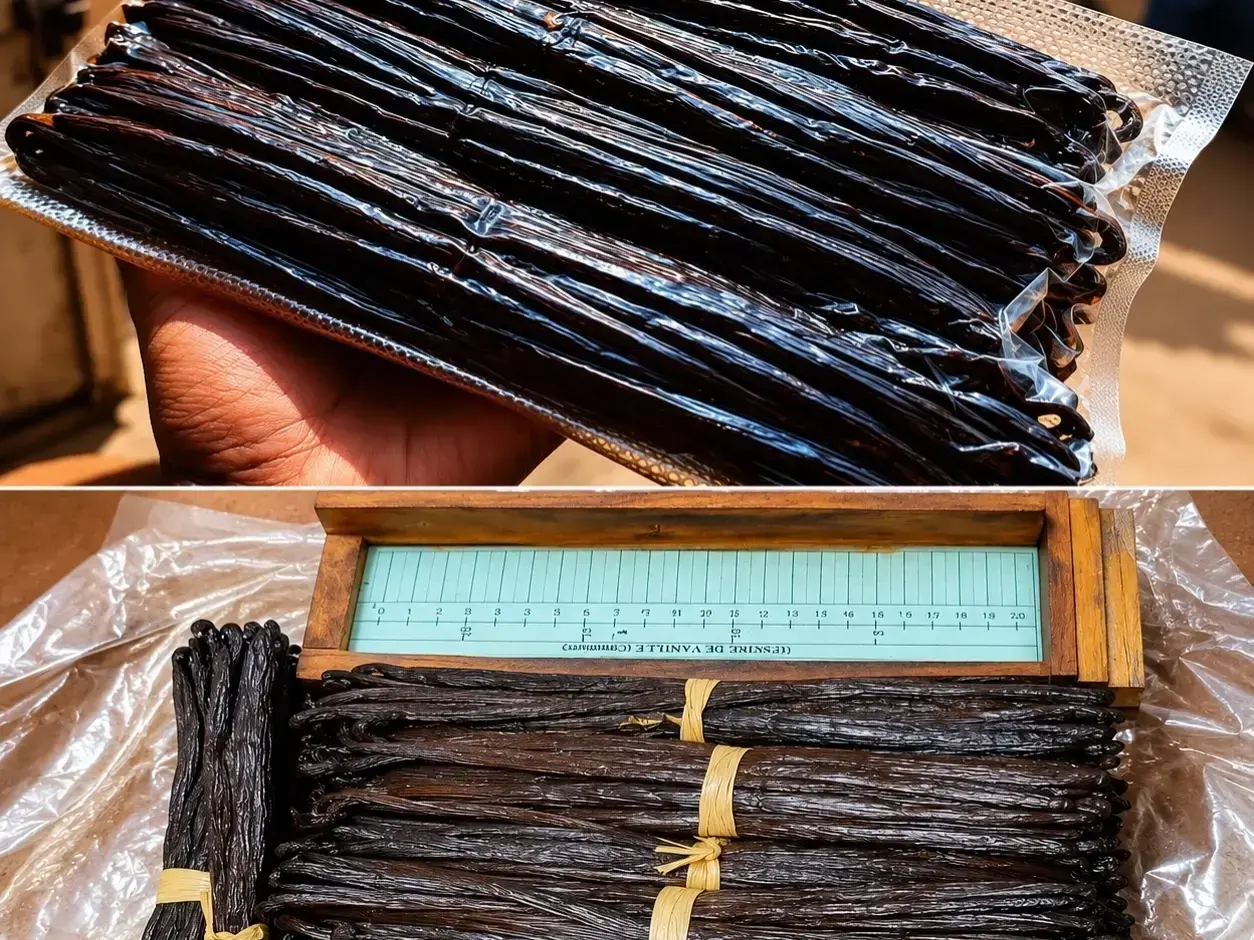
What is Vanilla Testing?
Vanilla Testing is a process used to assess the quality, purity. And characteristics of vanilla beans before they are processed or sold. It involves evaluating factors like aroma, color, moisture content. And texture to ensure they meet specific standards. This method helps identify defects or inconsistencies that could affect the final product. Vanilla Testing is critical for maintaining consistency in the vanilla supply chain. It ensures that only high-quality vanilla reaches the market.
Quick Facts About Vanilla Testing
Category
Quality assessment process
Used for
Ensuring vanilla bean quality and consistency
Common confusion
Confused with vanilla certification or grading processes
Often discussed with
Grade A Gourmet Vanilla, Grade B Vanilla
Key Takeaways About Vanilla Testing
- Vanilla Testing evaluates aroma, color.
- It identifies defects that could impact final product quality.
- Testing ensures consistency in the vanilla supply chain.
- This process is vital for meeting industry standards.
- Vanilla Testing helps maintain market reliability.
Understanding Vanilla Testing
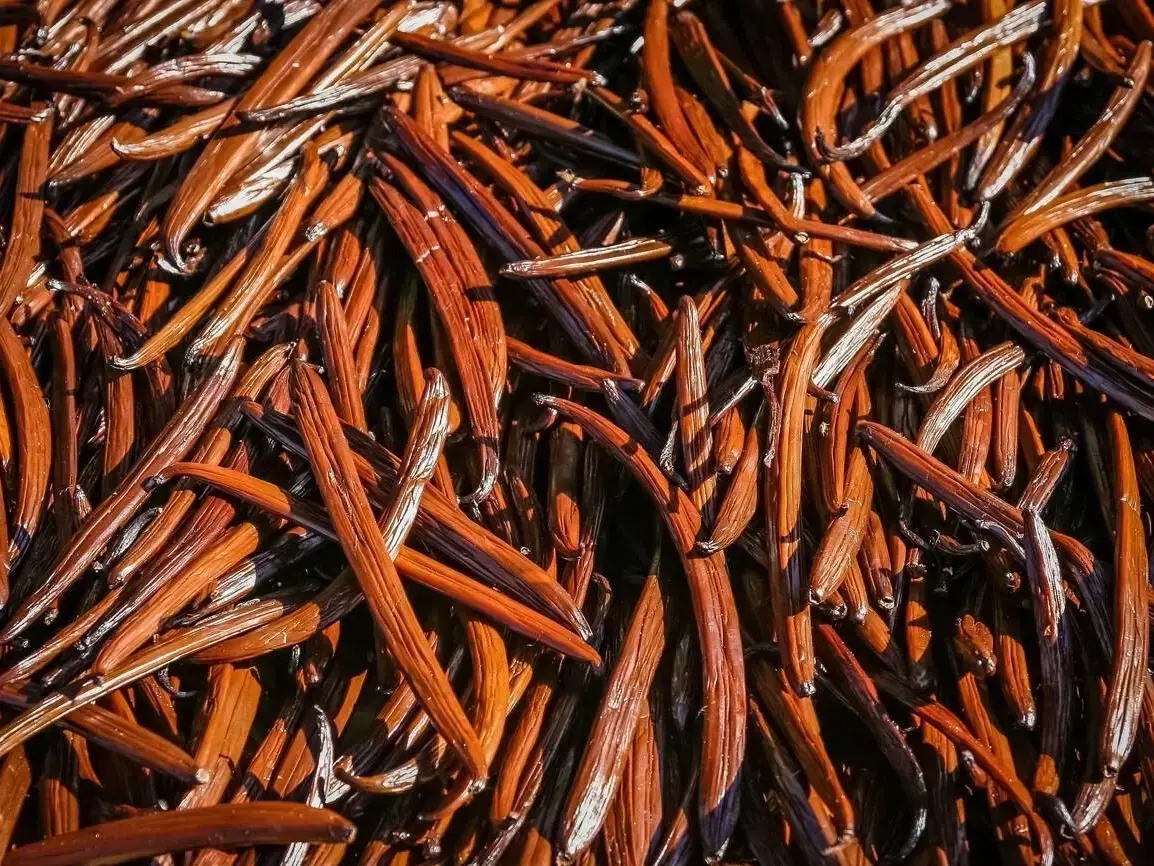
Vanilla Testing is a systematic approach to evaluating the quality of vanilla beans before they're processed or sold. This process checks physical and sensory characteristics. It ensures they meet industry standards. Vanilla beans are tested for aroma, color, moisture content, and texture. These factors are important indicators of quality. The goal of Vanilla Testing is to find defects or inconsistencies. These could affect the final product's performance or appearance. This method is essential for the vanilla supply chain. It ensures only high-quality beans reach the market.
Related glossary terms: Vanilla Beans, Vanilla Certification, Vanilla Compliance.
Vanilla Testing is often done by trained professionals. They use visual and olfactory assessments. They look for mold, discoloration. Or damage. Moisture content is also measured. This affects the bean's shelf life and processing. In some cases, lab analysis checks the chemical composition. This full approach ensures vanilla meets required standards. It is used in food, fragrance. And Other industries.
Vanilla Testing starts with a visual inspection. Trained evaluators look for uniform size, color. And shape. They check for damage or contamination. The beans are assessed for aroma. A strong, sweet. And complex scent shows high quality. The texture is also important. Beans should be pliable and not brittle.
Moisture content is measured with specialized equipment. It finds the exact water percentage. This is crucial. Too much moisture causes mold. Too little makes beans hard to process. Physical tests are done. Chemical analysis checks flavor and aroma compounds. These tests ensure beans meet standards. They are used in various applications.
Vanilla Testing is essential for quality and consistency. It finds defects early in the supply chain. This prevents low-quality beans from being distributed. This is important in food and fragrance industries. Vanilla quality affects the final product. High-quality vanilla has rich flavor and aroma. These are critical for recipes and formulations.
Vanilla Testing helps the supply chain be reliable. It sets quality standards. This helps producers and buyers decide. This process supports the vanilla market. It ensures consumers get expected products. Vanilla Testing protects the reputation of producers. It ensures only high-quality beans are sold.
Vanilla Testing is most critical when beans are harvested. This is when defects are found. It's also important for export. International buyers have strict requirements. Vanilla Testing ensures beans meet global standards.
Vanilla Testing is crucial for high-end products. These include gourmet foods and premium fragrances. They need the highest quality vanilla. Vanilla Testing is important when there are concerns. These include the origin or authenticity of beans. This process verifies quality. It ensures beans are genuine and meet standards.
How Vanilla Testing Works, Is Measured, or Is Used?
Why Vanilla Testing Matters?
When Vanilla Testing Matters Most?
Vanilla Testing is most critical during the initial stages of the supply chain. Beans are harvested and prepared for sale. This is when defects are most likely to be identified. It's also important when beans are evaluated for export. International buyers have strict quality requirements. Vanilla Testing ensures beans meet necessary standards. These standards are for global markets.
Vanilla Testing is also crucial when beans are used in high-end products. These include gourmet foods or premium fragrances. These applications need the highest quality vanilla. Vanilla Testing is important when there are concerns. These include the origin or authenticity of the beans. This process verifies quality. It ensures beans are genuine and meet expected standards.
How to Evaluate Vanilla Testing?
- Check for uniform color and absence of mold or discoloration.
- Assess the aroma for a strong, sweet. And complex scent.
- Measure moisture content to ensure it meets industry standards.
- Evaluate texture for pliability and absence of brittleness.
- Look for consistent size and shape in the beans.
Related Concepts Compared
Vanilla Testing vs. Vanilla Certification
Vanilla Certification verifies that beans meet specific quality and sustainability standards, while Vanilla Testing focuses on physical and sensory characteristics.
Vanilla Testing vs. Vanilla Grading
Vanilla Grading categorizes beans based on size, shape, and quality, whereas Vanilla Testing evaluates their aroma, moisture, and texture.
Vanilla Testing vs. Vanilla Inspection
Vanilla Inspection is a broader process that includes testing, while Vanilla Testing specifically focuses on quality assessment.
Expert Note
Vanilla Testing provides a reliable method for ensuring the quality of vanilla beans before they are processed or sold, which is crucial for maintaining market standards.
Common Mistakes or Myths About Vanilla Testing
- Assuming all vanilla beans are the same quality without testing.
- Overlooking the importance of moisture content in quality assessment.
- Confusing Vanilla Testing with Other quality assurance processes.
- Neglecting to check for signs of mold or contamination.
- Ignoring the impact of texture on processing and final product quality.
Vanilla Testing in Practice: A Real-World Example
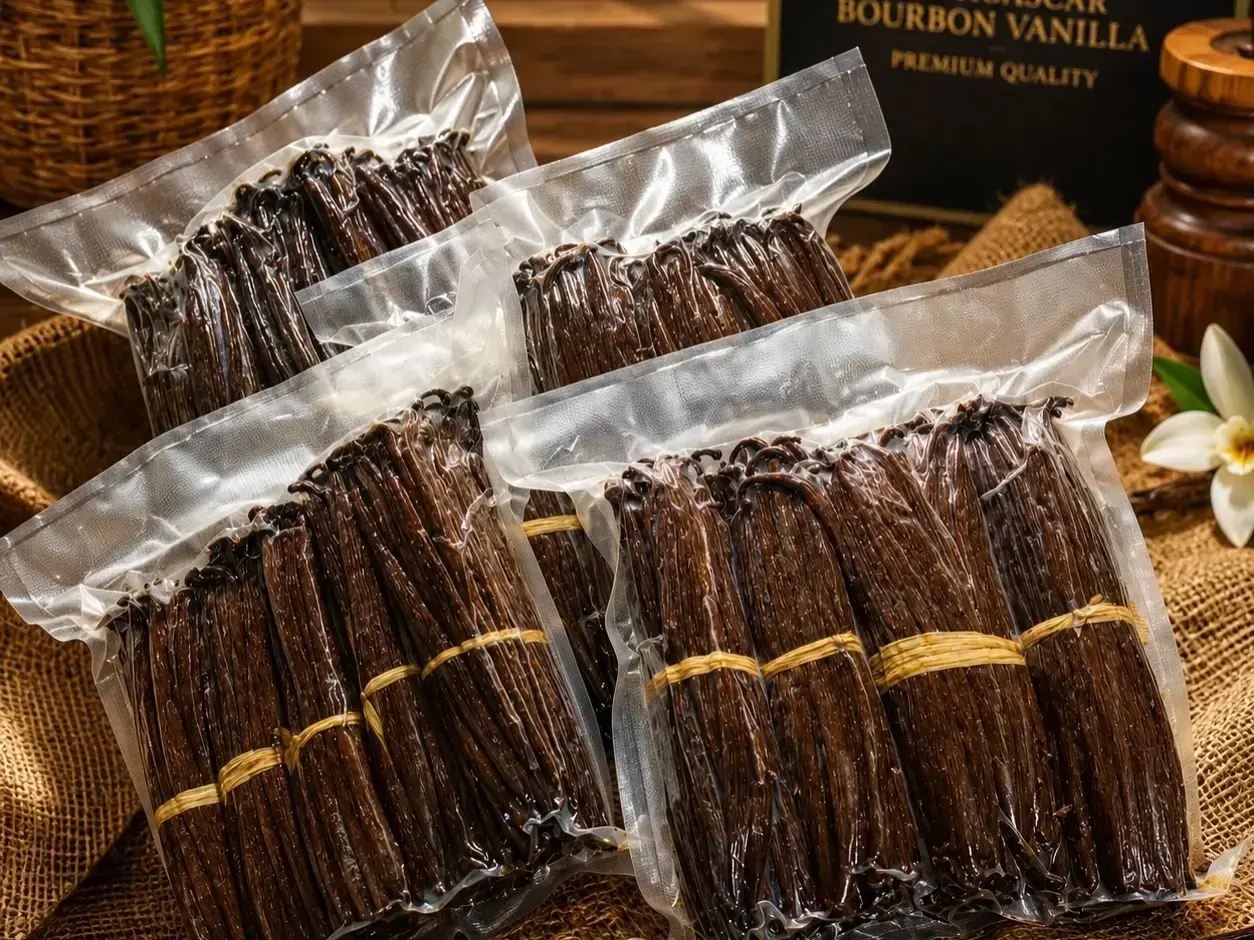
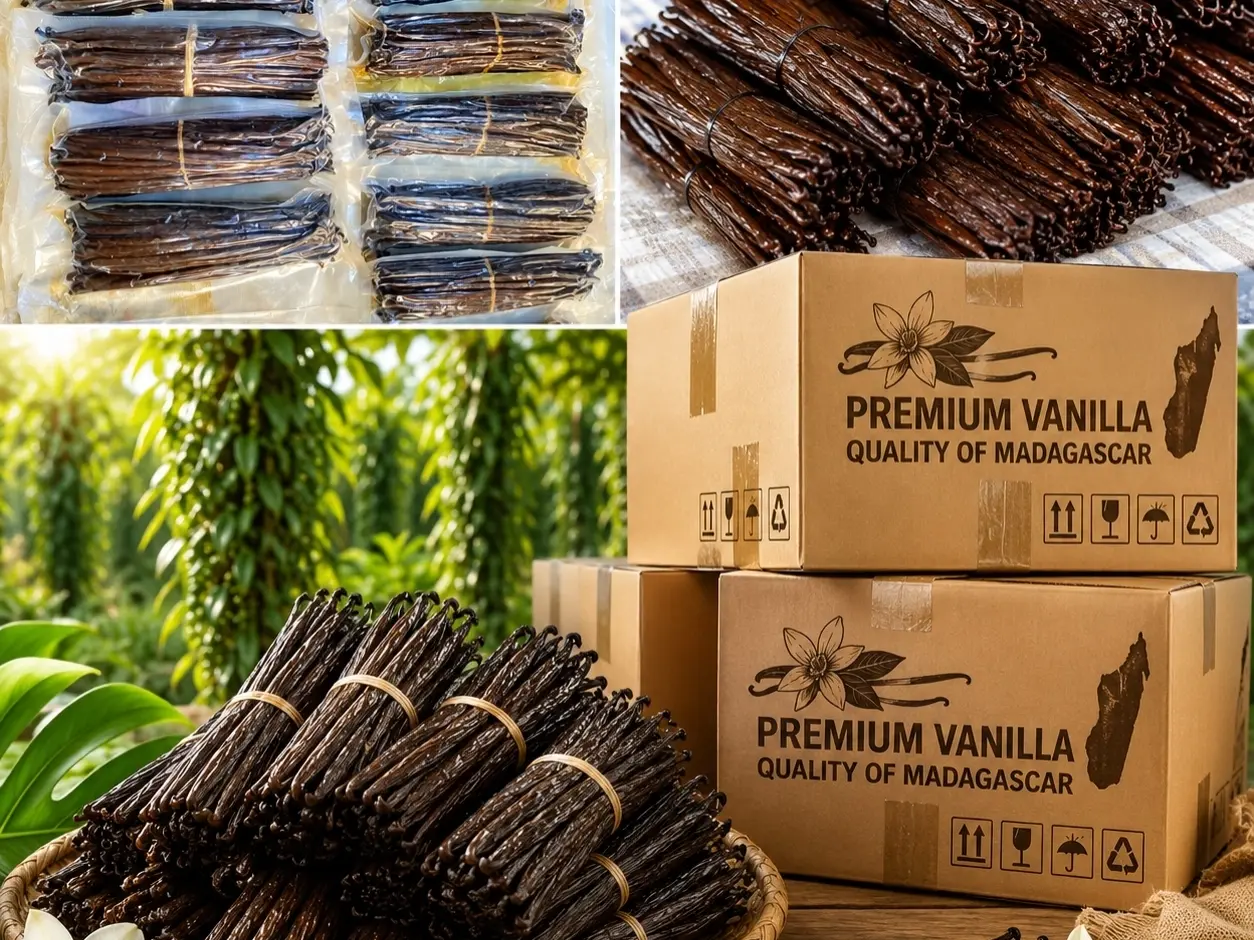
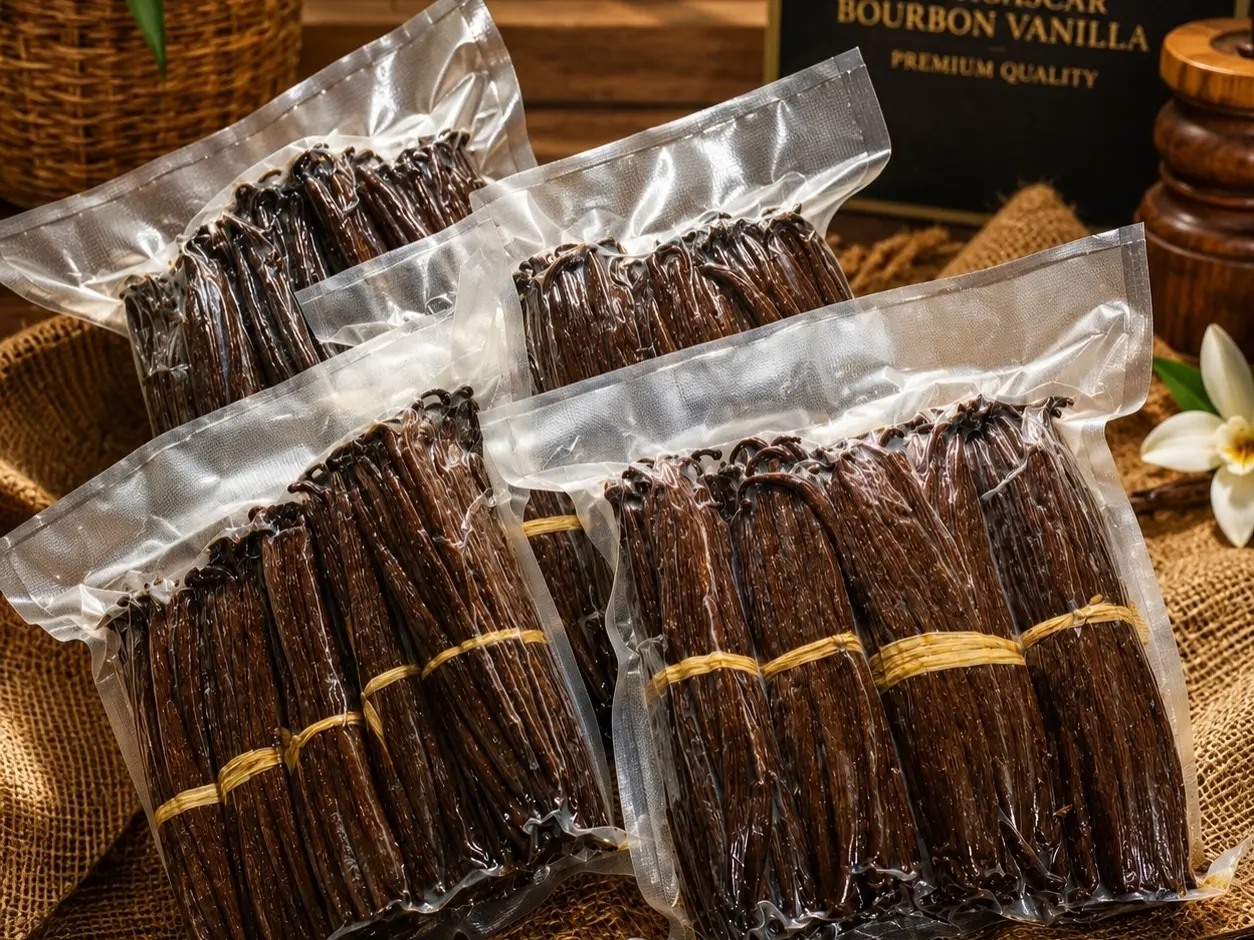
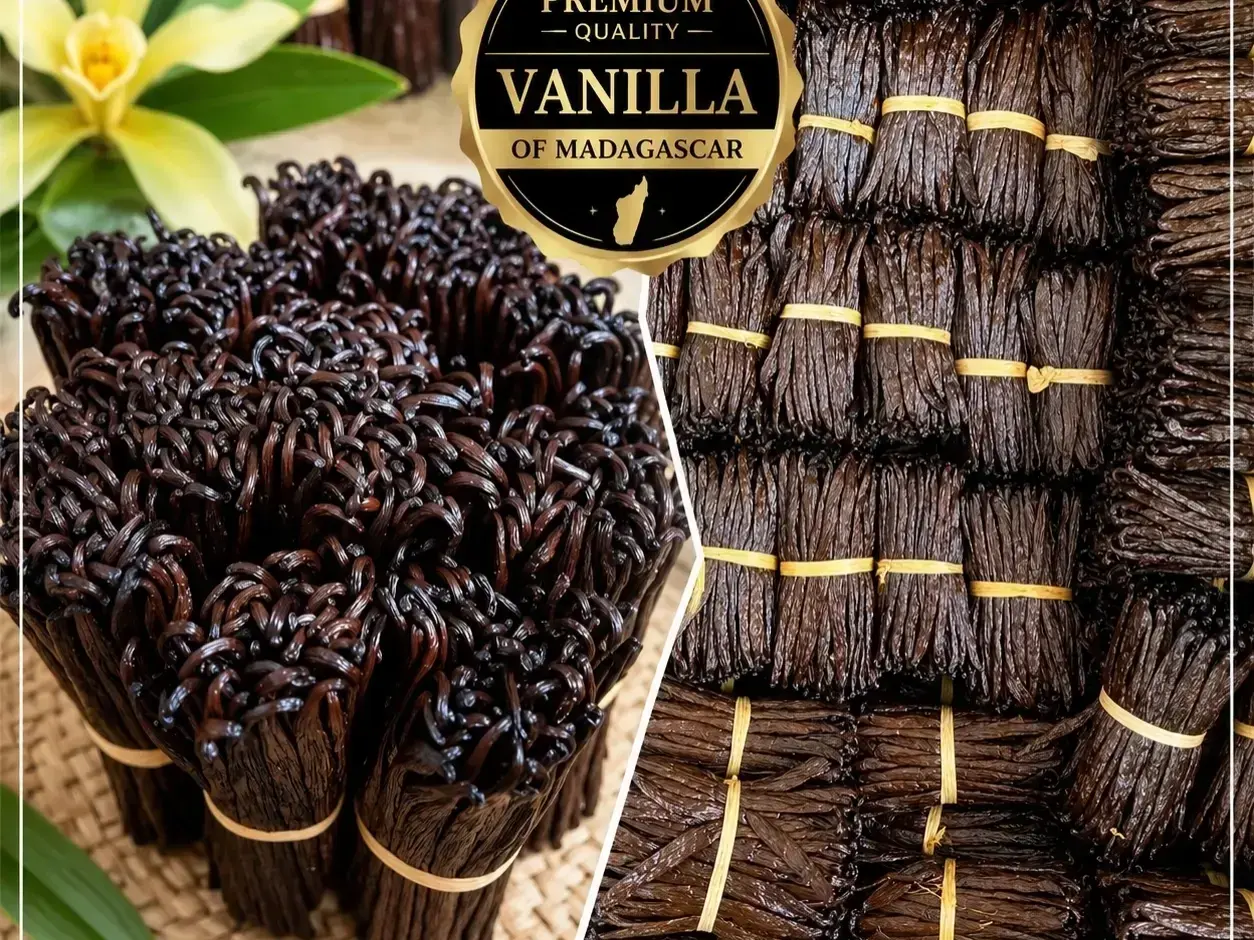
A vanilla producer in Madagascar conducts Vanilla Testing on harvested beans to ensure they meet the required quality standards before exporting them to international buyers. This process involves checking the beans' aroma, color.
Sources & Further Reading on Vanilla Testing
- International Vanilla Association
- Vanilla Council of Madagascar
Related Services
Related Terms
Vanilla Beans
Vanilla Beans is the cured and dried pod of the Vanilla planifolia orchid, used as a…
Vanilla Certification
Vanilla Certification is a formal process that verifies the quality, origin, And compliance of vanilla beans…
Vanilla Compliance
Vanilla Compliance is a set of standards and procedures that ensure vanilla products meet quality, safety…
Vanilla Cuts
Vanilla Cuts is a classification system that divides vanilla pods into specific size categories based on…
Vanillababa
Have Questions About Vanilla Testing?
Contact Vanillababa for practical guidance on Vanilla Testing and related vanilla export work in Madagascar.