What is Vanilla Sustainability?
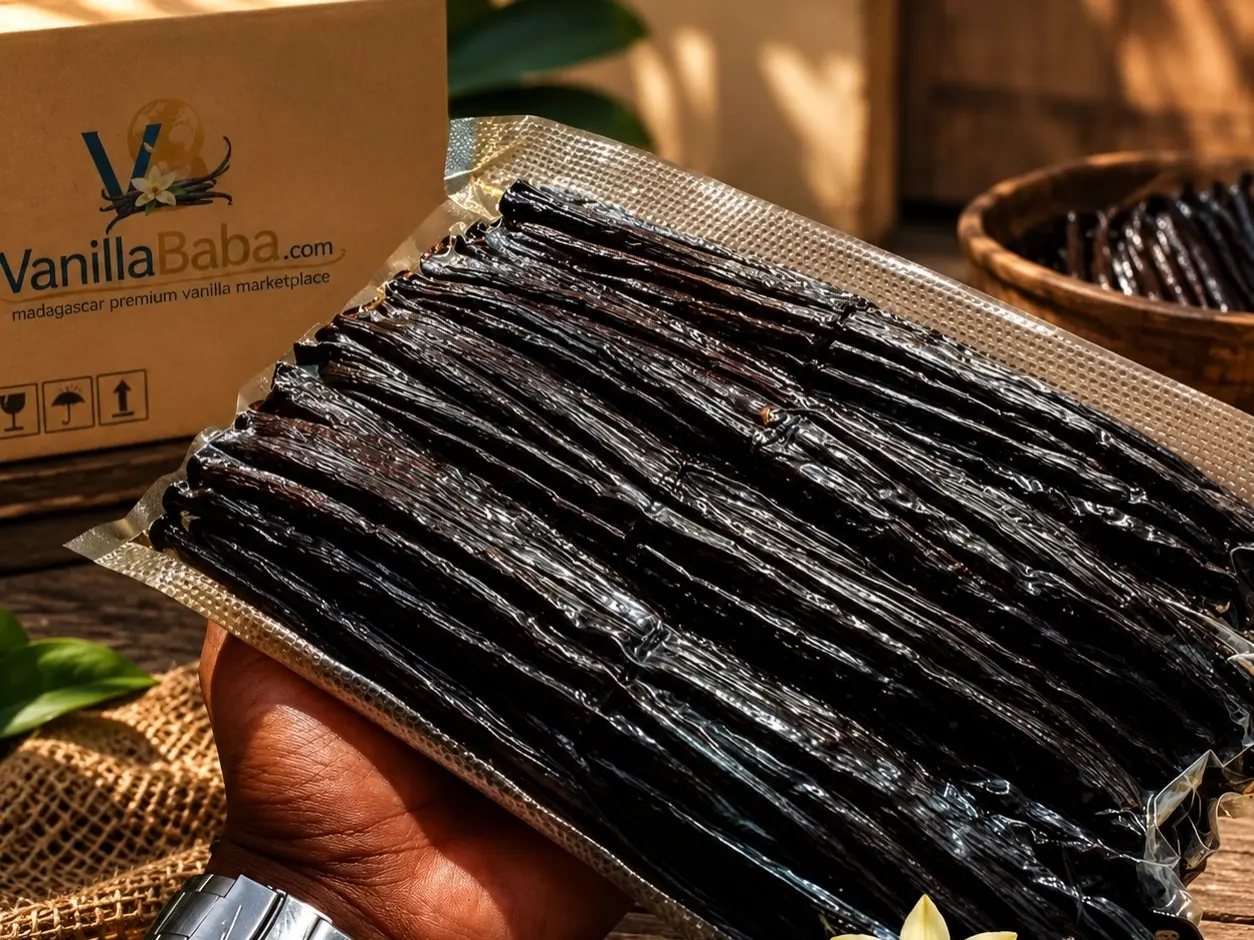
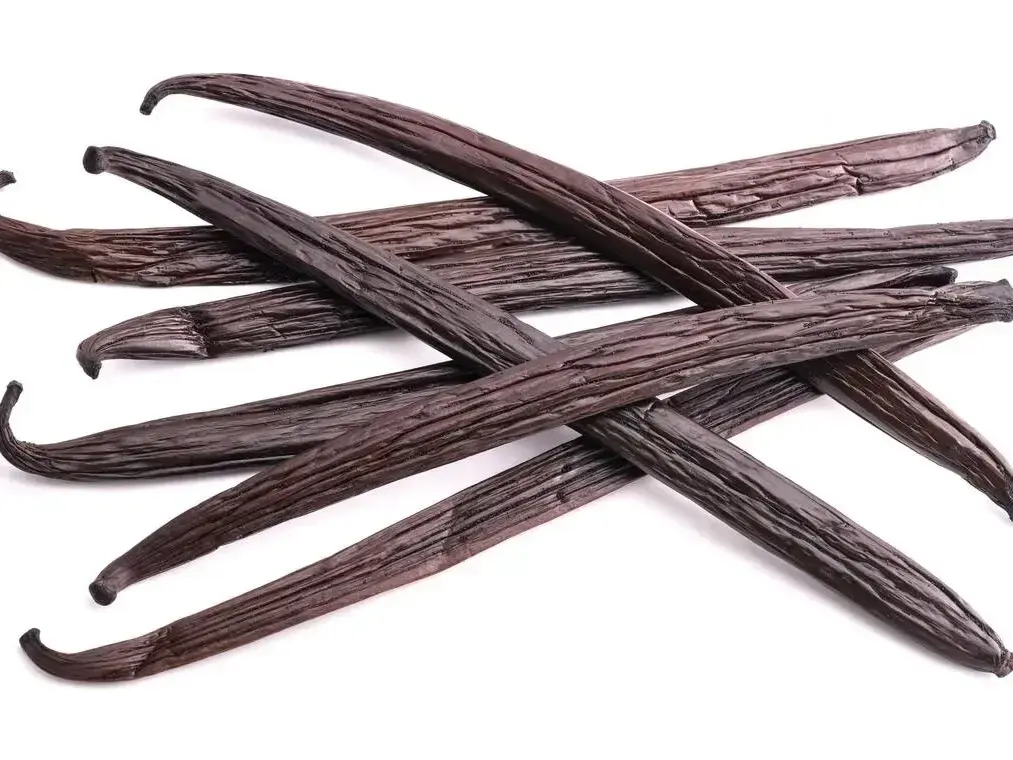
Vanilla Sustainability is a set of practices and principles aimed at ensuring the long-term viability of vanilla production, environmental health. And economic fairness for farmers and communities. It includes methods to protect ecosystems, reduce resource use. And support fair labor conditions. These efforts help maintain the quality and availability of vanilla over time.
Quick Facts About Vanilla Sustainability
Category
Agricultural and ethical practices
Used for
Ensuring long-term vanilla production and community well-being
Common confusion
Often mixed with general environmental sustainability
Also called
Sustainable Vanilla, Ethical Vanilla
Often discussed with
Export vanilla to Europe, Organic Vanilla Extract
Key Takeaways About Vanilla Sustainability
- Vanilla Sustainability focuses on environmental protection and fair labor practices.
- It aims to maintain the quality and availability of vanilla for future generations.
- Practices include reducing chemical use and supporting local farming communities.
Understanding Vanilla Sustainability
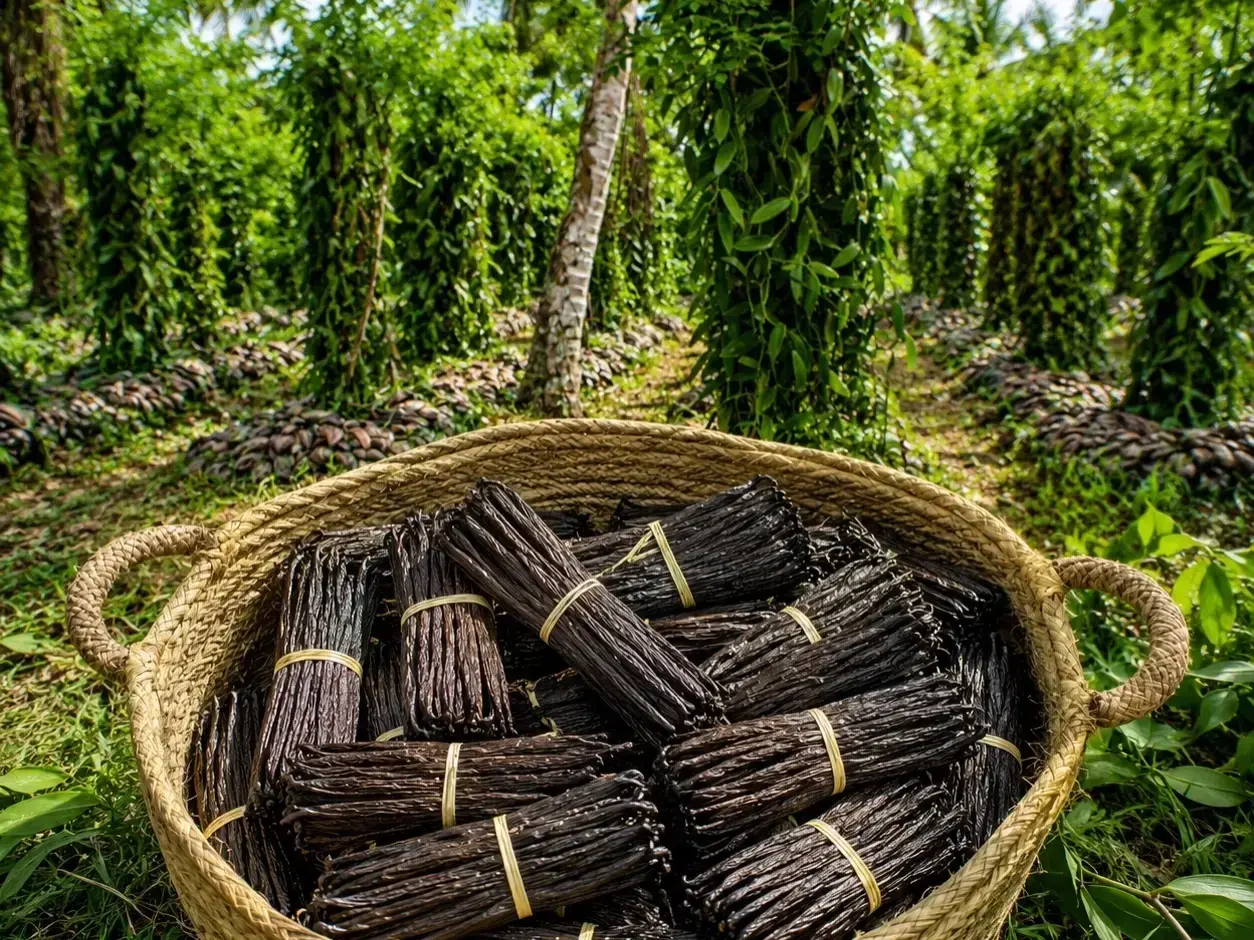
Vanilla Sustainability is a full approach to vanilla farming. It balances the needs of the environment, local communities, and the global market. It involves practices that protect natural resources. These include water and soil. It also ensures farmers get fair compensation. This concept is crucial. Vanilla is a high-value crop. It requires specific growing conditions. It needs careful handling. By implementing sustainable practices, producers help maintain ecological balance. They also support the livelihoods of those who depend on vanilla farming.
Related glossary terms: Vanilla Export, Vanilla Certification, Vanilla Quality.
The principles of Vanilla Sustainability are based on long-term planning. They focus on responsible resource management. This includes using organic methods. It reduces the impact of chemicals. It promotes biodiversity. It ensures farming practices don’t deplete natural resources. It involves creating fair labor conditions. It provides training to farmers. This improves their skills and productivity. These efforts contribute to the health of the vanilla supply chain. They help ensure the crop remains viable for future generations.
Vanilla Sustainability is implemented through a combination of agricultural techniques. It includes community engagement and market strategies. Farmers are encouraged to use organic fertilizers. They use natural pest control methods. This cuts down on environmental harm. They also adopt water-saving techniques. They use practices that promote soil health. These methods are often monitored. Audits and certifications ensure compliance. They check against sustainability standards.
Measuring Vanilla Sustainability involves assessing farming impacts. It looks at environmental effects. It checks economic conditions of farmers. It evaluates social well-being of communities. Indicators like carbon footprint are used. Water usage and fair wage practices are also measured. Certifications like Fair Trade and Organic labels help. They provide a framework for evaluation. These assessments help stakeholders. They show the effectiveness of efforts. They identify areas for improvement.
Vanilla Sustainability is essential for ecological balance. It ensures vanilla remains available. As a crop, it needs specific climate conditions. It is vulnerable to environmental changes. It is also at risk from unsustainable farming. By promoting sustainable methods, producers protect ecosystems. They reduce the risk of resource depletion. This helps maintain vanilla quality. It ensures consistency for local and international markets.
Vanilla Sustainability supports economic stability. It ensures fair wages and improves farming techniques. This helps farmers increase productivity. It boosts their income. This benefits farmers. It strengthens the supply chain. It creates a more resilient source of vanilla. Long-term benefits include reduced environmental damage. They also improve community well-being. They create a more stable market for vanilla products.
Vanilla Sustainability is most critical during environmental stress. These include droughts or extreme weather. These conditions impact vanilla crops. They affect the livelihoods of farmers. Sustainable practices help reduce these risks. They improve farming system resilience. For example, water conservation helps. Soil management practices maintain yields. They work even in tough conditions.
- Environmental stress
- Market fluctuations
- Community development
Vanilla Sustainability also becomes important. It addresses market demands for ethically sourced products. Consumers and businesses seek responsible products. This trend drives transparency. It requires accountability in the supply chain. By following sustainable practices, producers meet these demands. They gain a competitive advantage. They appeal to conscious buyers.
How Vanilla Sustainability Works, Is Measured, or Is Used?
Vanilla Sustainability is a full approach to vanilla farming. It balances the needs of the environment, local communities. And the global market. It involves practices that protect natural resources. These include water and soil. It also ensures farmers get fair compensation. This concept is crucial. Vanilla is a high-value crop. It requires specific growing conditions. It needs careful handling. By implementing sustainable practices, producers help maintain ecological balance. They also support the livelihoods of those who depend on vanilla farming.
- Environmental stress
- Market fluctuations
- Community development
Why Vanilla Sustainability Matters?
- Environmental stress
- Market fluctuations
- Community development
When Vanilla Sustainability Matters Most?
- Environmental stress
- Market fluctuations
- Community development
How to Evaluate Vanilla Sustainability?
- Check for certifications like Fair Trade or Organic.
- Assess the environmental impact of farming practices.
- Evaluate the economic conditions and fair wages for farmers.
Related Concepts Compared
Vanilla Sustainability vs. Vanilla Organic
Vanilla Organic focuses specifically on the absence of synthetic chemicals in production, while Vanilla Sustainability includes broader environmental, social, and economic factors.
Expert Note
Sustainable vanilla farming requires a balance between ecological health, economic viability.
Common Mistakes or Myths About Vanilla Sustainability
- Assuming all organic vanilla is sustainable.
- Overlooking the social aspects of sustainability.
- Ignoring the importance of local community involvement.
Vanilla Sustainability in Practice: A Real-World Example
A vanilla farmer in Madagascar uses organic methods to grow vanilla, ensuring the soil remains healthy and the community benefits from fair wages and training programs.
Sources & Further Reading on Vanilla Sustainability
- Fair Trade International
- Organic Trade Association
Related Services
Related Terms
Vanilla Export
Vanilla Export is the process of shipping vanilla beans or vanilla products from Madagascar to international…
Vanilla Certification
Vanilla Certification is a formal process that verifies the quality, origin, And compliance of vanilla beans…
Vanilla Quality
Vanilla Quality is the standard of characteristics that determine the value, usability, And marketability of vanilla…
Vanilla Sourcing
Vanilla Sourcing is the process of identifying, selecting, And acquiring vanilla beans from producers to ensure…
Vanillababa
Have Questions About Vanilla Sustainability?
Contact Vanillababa for practical guidance on Vanilla Sustainability and related vanilla export work in Madagascar.