Trusted Local Service Experts
Key logistics points include choosing routes through the ports of Toamasina or Antsiranana, monitoring the wet season (cyclone period) for transport risks, and keeping strict grading standards and moisture content checks before export clearance and phyto-sanitary inspections.
Season-by-season checklist for scheduling exports
Direct answer: Use a seasonal checklist that maps cure timing, grading, packing density and port risk to dry and wet seasons to decide export slots.
- May – Early June (pre-peak harvest): Begin selective picking; start the curing process for earliest pods and segregate by preliminary grade for later grading standards.
- June – July (curing and conditioning): Hold curing lots under controlled moisture; measure moisture content to target Grade B or future Grade A conversion.
- July – August (first dry-season exports): Schedule small export windows for early Grade A Gourmet Vanilla lots; prioritize shipments to avoid congestion at ports of Toamasina.
- August – October (peak Grade A window): Execute main export batches for black bourbon vanilla and red bourbon vanilla; book shipping and phyto-sanitary inspections well ahead.
- September – November (sustain peak shipments): Stagger departures to balance packing density and avoid long dwell times that raise excess moisture risk in cargo.
- October – December (final peak / finishing lots): Export remaining Grade A Gourmet Vanilla and top-grade wholesale vanilla beans; secure containers via Toamasina or Antsiranana depending on route.
- January – March (wet season approach): Avoid large shipments; focus on curing, grading, and preparation for the next supply window—expect wet-season delays and cyclone advisories.
- March – April (cyclone watch period): Delay non-critical exports; inspect for mold and sign of compromised vanilla pod moisture.
- Year-round (contracting and pricing): Lock in buyers during the August–December supply window to manage commodity pricing and reduce exposure to market volatility.
- Packaging prep before any shipment: Use moisture-barrier packing, test packing density to prevent compression damage, and attach proper phyto-sanitary paperwork for export clearance.
- Port-specific coordination: Coordinate with agents in Toamasina or Antsiranana early; typical queues and inspections are longer during peak months.
- Vanillababa supplier step: As a supplier, keep traceability records for each lot’s curing process and grading to answer buyer quality queries quickly.
Detailed checklist items (timing, conditioning, packing)
Direct answer: Follow a tight list of conditioning checks—curing schedule, moisture targets, grading inspection, packing specs—to prevent spoilage and pass export clearance.
- Record harvest date per lot and tag for the curing process so age in curing is traceable at export.
- Target typical moisture ranges during curing (illustrative: most lots aim for a moisture content that preserves aroma; test and document each lot).
- Run a pre-shipment grading inspection to separate Grade A Gourmet Vanilla from Grade B Vanilla.
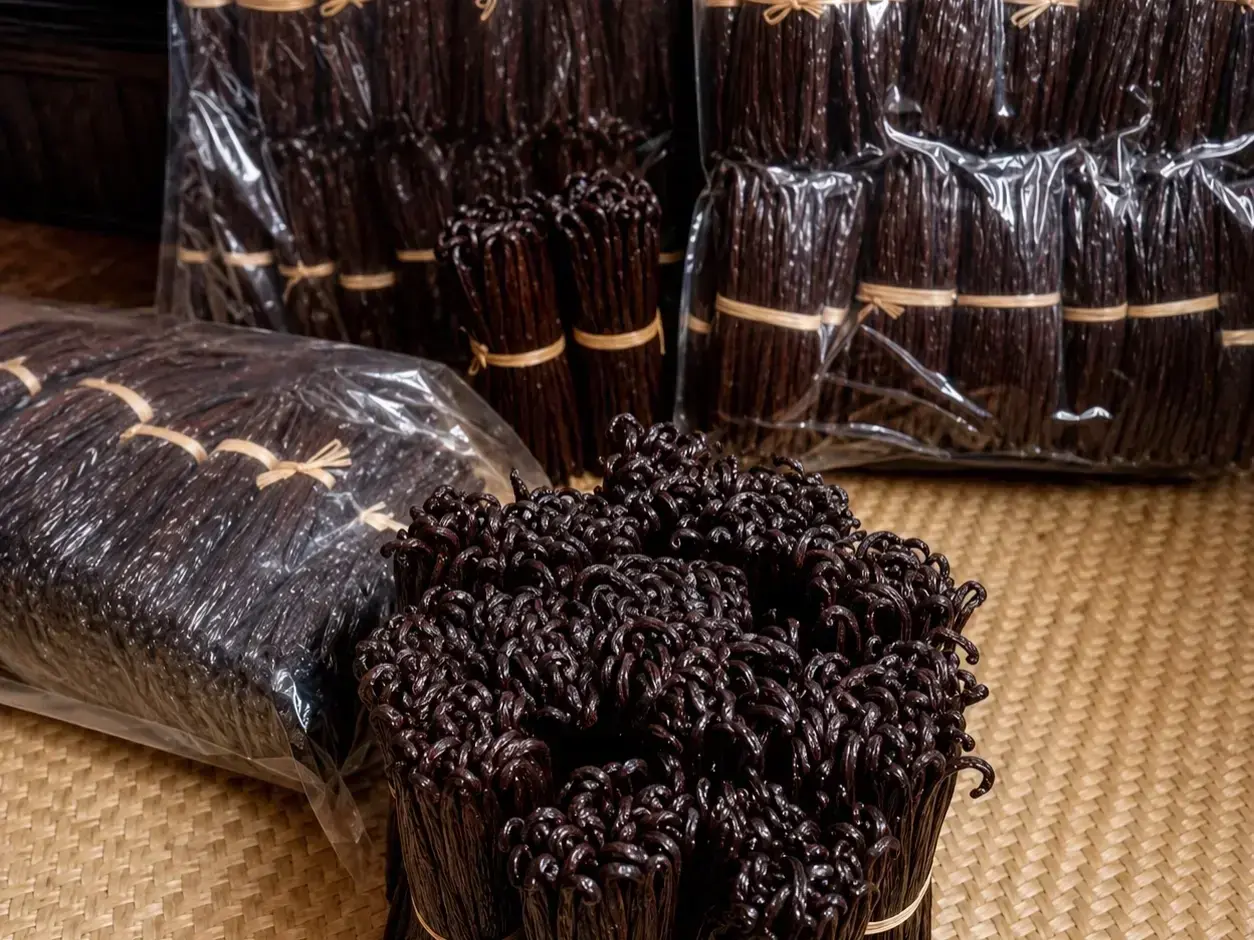
- Use moisture-barrier sacks and inner liners; check packing density to avoid crushing and uneven drying in transit.
- Apply insect and mold checks; reject or recondition lots with visible mold before booking shipping.
- Prepare phyto-sanitary certificates and export clearance documents early, aligning with port schedules for Toamasina or Antsiranana.
- Schedule container pick-up and shipping bookings during confirmed dry-weather windows to reduce risk from the wet season.
- Label each vanilla pod bundle with origin, curing date, and grade to support buyer traceability and contract compliance.
- Inspect container seals and humidity indicators at loading and on arrival; note that long dwell times at hot, humid terminals increase spoilage risk.
- Keep a contingency plan for re-conditioning if shipments encounter excess moisture en route or at the destination port.
Grade A vs Grade B: when to harvest and ship each grade
Direct answer: Harvest for Grade A Gourmet Vanilla should be timed to the dry-season peak (August–December); Grade B Vanilla can be harvested earlier or scheduled outside the peak and shipped staggered.
Grade A Gourmet Vanilla is the premium product—plump, oily, and fully cured—and reaches peak sensory quality in the dry-season months. Exporters aiming for top wholesale vanilla beans should prioritize shipments during August–December, align curing completion with low humidity, and ensure grading standards meet buyer specs.
Grade B Vanilla is the secondary grade used widely in baking and industry. These beans may be harvested or finished earlier, often in May–July after initial curing, and exported in staggered batches to maintain steady supply without competing for precious dry-season shipping slots. Grade B lots tolerate slightly higher packing density but still need strict moisture and mold checks before export clearance.
From Vanillababa’s supplier perspective, segregating lots by grade during the curing process and documenting vanilla pod moisture and grading results speeds buyer trust and reduces inspection delays at the ports of Toamasina and Antsiranana.
Export logistics table: ideal windows, transit and packing notes
Direct answer: Use the table below to match ideal export windows with transit and packing notes for wholesale vanilla beans.
| Window | Grade & Product | Transit & Port Notes | Packing / Conditioning |
|---|---|---|---|
| August–October | Grade A Gourmet Vanilla / black bourbon vanilla | Ideal for shipments via Toamasina; shorter port delays typical during the dry season. | Low moisture, moisture-barrier sacks, low packing density, humidity strips included. |
| September–December | Grade A & Grade B mixed finishing lots | Book early for Antsiranana routes if northern markets preferred; watch for seasonal uplift in freight rates. | Segregate grade bundles; include curing date tags and phyto-sanitary documents for export clearance. |
| May–July | Grade B Vanilla and curing lots | Best for staggered exports; avoid heavy rain periods and cyclone advisories. | Intermediate moisture allowed; recondition before shipment to meet buyer specs. |
| January–April | Curing & reconditioning only | Wet season (cyclone period) increases transit risk; avoid major exports from Madagascar then when possible. | Hold in climate-controlled storage; run moisture and mold checks before any booking. |
Warning signs to delay exports
Direct answer: Delay shipments if you detect mold, sustained high moisture, or cyclone-related port closures—these are immediate red flags for spoilage or logistics failure.
- Mold visible on pods or bundles after curing—reject or recondition before export.
- Excess moisture in lots or failing humidity indicator cards at packing—delay and re-dry to target moisture content.
- Active cyclone warnings or port closures during the wet season (cyclone period) — hold shipments until safe transit resumes.
- Missing or delayed phyto-sanitary clearance that would force long terminal dwell times and heighten spoilage risk.
Pricing seasonality, demand signals and contract tips for buyers
Direct answer: Prices typically firm during the August–December Grade A supply window; buyers should lock contracts before peak shipments to secure Red Bourbon Vanilla and manage commodity pricing exposure.
In Madagascar the supply window drives market price movements: most pricing pressure occurs when Grade A Gourmet Vanilla is in short supply late in the wet season, while Grade B Vanilla provides relief on volume needs. Typical patterns are illustrative: most buyers see tighter offers and higher premiums during peak Grade A months, and softer pricing when Grade B lots are available for industrial and baking markets.
Contract tips: specify curing records, allowable moisture content ranges, and packing density in the sales contract. Use port clauses naming Toamasina or Antsiranana for routing preferences, and include contingency language for wet-season delays. From Vanillababa’s perspective, early commitments and clear grading specifications reduce disputes and speed export clearance.
Frequently Asked Questions
Author: Randrianantenaina Landry—Vanillababa supplier perspective and exporter playbook.
Contact: /contact/
Related Resources
Cost Comparison: Grade A Gourmet Vanilla vs Grade B Vanilla (Madagascar Bourbon)
What It CostsExport Pricing to China, Asia, Europe, America and UAE: Freight, Duties and Landing Costs
What It CostsSmall Quantity vs Wholesale Vanilla Pricing: Per-Kg Breakpoints and MOQ Effects
What It CostsHow Seasonality and Pre-Harvest Contracts Affect Vanilla Prices in Madagascar