Vanilla Sample Order Checklist for Madagascar Buyer Portals
Vanillababa helps international buyers use a vanilla sample order checklist buyer portal to request fast samples from Madagascar, confirm specs, and approve shipping details before bulk buying. The checklist should verify product grade, curing style, moisture and aroma notes, pack sizes, lead times, buyer portal access, and export documents. Buyers reduce delays by submitting one clear sample request, checking the portal status updates, and approving only samples that match target quality, origin, and delivery timing.
Vanillababa provides a vanilla sample order checklist and buyer portal workflow for fast sample orders from Madagascar.
1. Start with one clear sample request form that names the product specification, desired grade specification, pack size, and delivery address. Include buyer portal access details so the supplier can match the request to the right account and reduce rework.
2. Confirm Madagascar origin before you send anything. This isn't just a country label. It shapes Madagascar vanilla quality, supply context, and traceability expectations. A good intake checklist also notes moisture targets, curing style, and whether the buyer needs a vanilla bean sample order, a small-lot sample shipment, or a buyer portal sample request.
3. Use the portal to upload the spec sheet, check the order tracking field, and verify the traceability record before approval. That workflow supports entity recognition, semantic relevance, supplier verification, and quality assurance while keeping the procurement workflow simple for international teams.
What Should a Vanilla Sample Order Checklist Include Before You Request Samples?
A vanilla sample order checklist should include the product specification, origin, quantity, packaging, delivery address, and buyer portal login details before any sample request is sent. Vanillababa uses this process to reduce errors, speed approval, and make sure international buyers receive the right Madagascan vanilla sample on the first attempt.
Before You Submit a Sample Request
During Portal Review and Confirmation
After the Sample Arrives
Which Sample Details Matter Most for Madagascar Vanilla Buyers?
Madagascar vanilla buyers should focus on grade, cure method, moisture level, aroma profile, pod condition, and traceability because those details determine whether a sample can scale into a repeat commercial order. A buyer portal works best when each sample record ties these attributes to one clear shipment and one clear supplier response.
| Sample detail | Why it matters | What to check in the portal |
|---|---|---|
| Vanilla grade | Shows the product classification and quality standard for your trial. | Match the label to the spec confirmation and sample request form. |
| Cure method | Helps explain aroma, flexibility, and appearance. | Look for curing method notes and processing stage comments. |
| Moisture level | Affects texture, shelf life, and sensory performance. | Compare the stated range with the sample invoice and spec sheet. |
| Traceability | Verifies origin and chain-of-custody for supplier verification. | Check origin certificate, lot reference, and traceability record. |
| Aroma and pod condition | Signals whether the sample is suitable for repeat commercial use. | Review sensory notes and any photos attached by the seller. |
For buyers comparing multiple supplier verification records, the safest method is to line up product specification, origin traceability, and order tracking in one place. That makes semantic relevance easier to judge and reduces guesswork when the sample arrives.
What Red Flags Should Buyers Watch for in a Fast Sample Order?
Buyers should treat mixed product descriptions, missing origin proof, vague grading, and slow portal updates as red flags because they often lead to mismatched samples and delayed decisions. In a Madagascar vanilla sample workflow, the safest approach is to pause approval until the portal record matches the physical sample and shipping details.
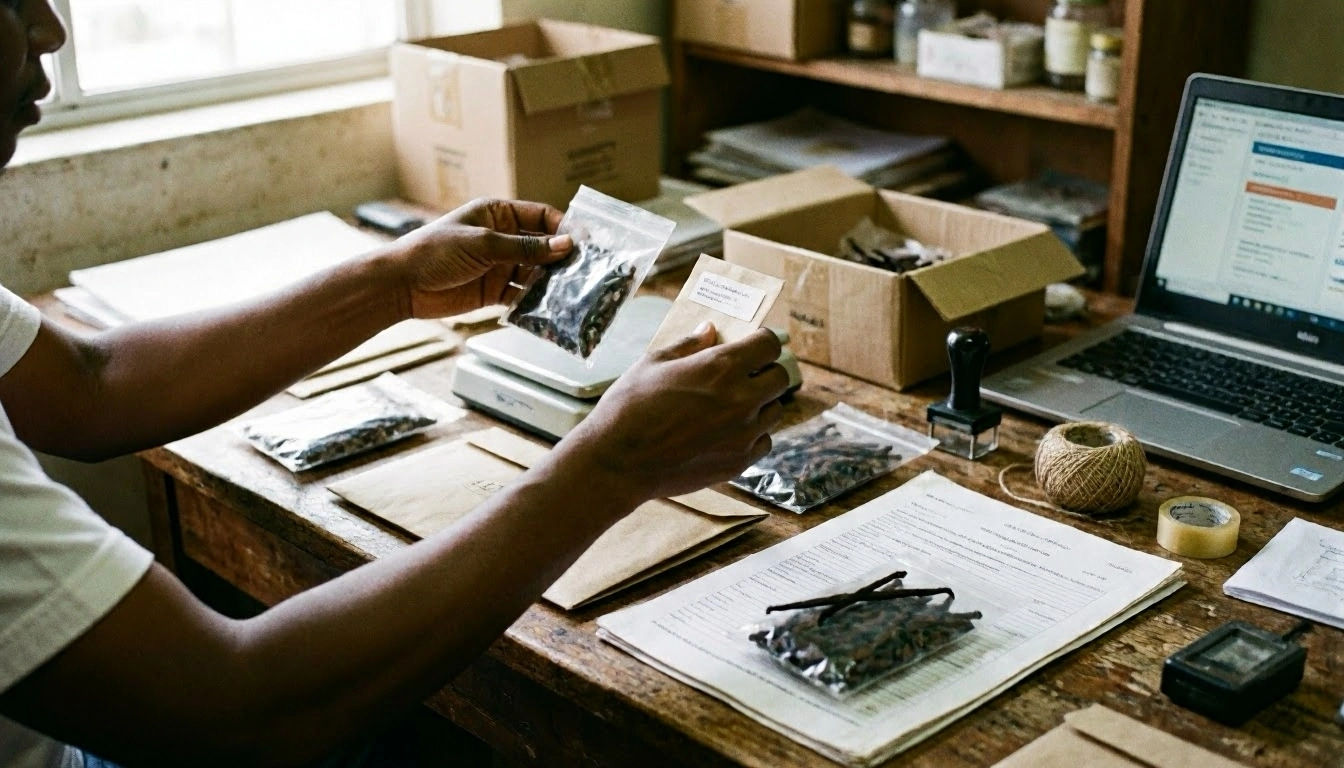
If any of these issues appear, ask for a corrected traceability record, an updated spec sheet, and a fresh order confirmation before you approve shipment.
How Does the Buyer Portal Speed Up International Sample Approval?
A buyer portal speeds up international sample approval by centralizing requests, tracking status, storing documents, and keeping buyer-supplier communication in one place. For Madagascar vanilla, this reduces back-and-forth on origin, packing, and shipping details, so buyers can approve samples faster and move to small-quantity purchasing with fewer errors.
Workflow automation is the main advantage. Instead of chasing updates across messages, the team can see order tracking, document upload history, and the current approval step in one workflow. That matters in island logistics, where one missing packing list or origin declaration can slow export clearance and add avoidable waiting time.
The communication thread also helps teams compare notes from sourcing, quality assurance, and logistics without losing context. A clear buyer portal creates one audit trail for the sample order guide, so the supplier response, acceptance note, and shipping confirmation stay linked to the same record. That structure supports faster sample approval and cleaner future reorders.
What Documents and Confirmations Should Be Saved Before Reordering?
Buyers should save the sample invoice, packing list, origin declaration, and final spec confirmation before reordering because these records create a clean reference for future vanilla purchases. For Madagascar buyers, keeping portal records aligned with the physical sample helps prevent repeat mismatches and supports faster small-quantity ordering.
| Document or confirmation | Why save it | Best practice |
|---|---|---|
| Sample invoice | Confirms what was shipped and how it was described. | Match it to the portal record and the sample request form. |
| Packing list | Shows package contents, count, and packing arrangement. | Check that the pack size matches the trial purchase volume. |
| Origin declaration | Supports traceability and supplier verification. | Keep it with the origin certificate and lot details. |
| Spec confirmation | Locks in the final product specification for future buying. | Save the approved version in the buyer portal before placing the next order. |
When the records stay aligned, the next procurement workflow is much easier. The same traceability record, order tracking history, and document upload set can support a new sample request or a larger purchase without starting from zero.
Frequently Asked Questions
Author: Randrianantenaina Landry
Related Resources
Small Quantity vs Wholesale Vanilla Pricing: Per-Kg Breakpoints and MOQ Effects
how much does small quantity vanilla cost vs wholesale price per kg
What It CostsUrgent Shipments & Fast Sample Order Pricing: Expedited Logistics and Rush Fees
how much does expedited vanilla shipping and fast sample orders cost
How It WorksSourcing & Contracting Process for Vanilla Export: Pre-harvest Contracts and Supplier Verification
how does vanilla pre-harvest contract sourcing work for exporters
How It WorksOrder Management & Buyer Fulfilment Process for International Vanilla Purchases
how does the vanilla export order and fulfilment process work for buyers