Vanilla Export Types in Madagascar: Small Quantity vs Wholesale
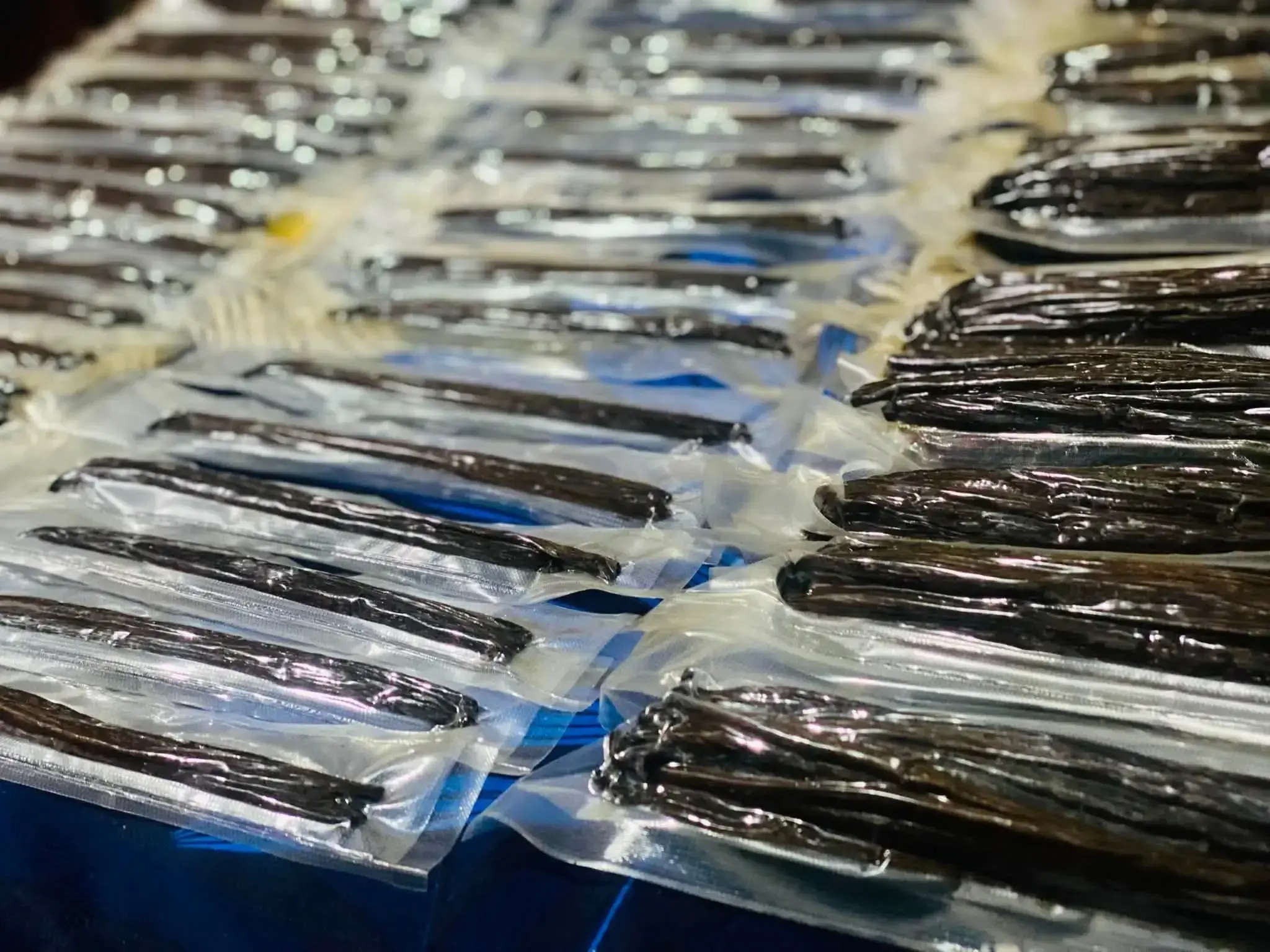
Small quantity vanilla exports fit buyers who need samples, test lots, or a low-risk first order. Wholesale vanilla beans fit importers who buy often and want a lower unit cost. In Madagascar, the right choice depends on quality grade, export handling, and whether you need fast samples or full-container supply.
Small Quantity vs Wholesale Vanilla Export Orders in Madagascar
Small quantity vanilla export orders work well for testing quality, sampling, and first-time imports. Wholesale vanilla bean orders work better for repeat buying, lower unit costs, and steady supply. In Madagascar, the right choice depends on your volume needs, cash flow, and export readiness.
| Type | Key Features | Typical Cost | Best For |
|---|---|---|---|
| Small quantity vanilla | Trial order, tighter lot-by-lot quality inspection, sample packs, starter lot, faster validation, more packaging and document overhead per unit | Usually higher unit cost because export handling and consolidation are spread across fewer beans | First-time buyer, product testing, supplier verification, low-risk sourcing, comparing Madagascar vanilla against Other origins |
| Wholesale vanilla beans | Bulk vanilla export, recurring procurement, stable grading, larger packaging runs, better pricing structure, smoother shipping documents per unit | Lower unit cost in most typical ranges because bulk supply improves efficiency | Importer, resale, manufacturing, long-term sourcing, and container load planning |
The main tradeoff is simple: flexibility versus price efficiency. Small orders help when you need a sample order. Wholesale works better when you already trust the bean grade and can handle export logistics. Madagascar’s strong reputation means buyers expect good aroma and curing quality, so order size should match grade checks before you scale up.
Harvest timing and curing conditions in Madagascar can change inventory and lead time. So, a starter lot often makes sense before a bigger commitment. Regional supply can also vary across vanilla-growing areas, which means buyers should compare lots closely and confirm quality control steps before they lock in pricing.
When Small Quantity Vanilla Export Makes Sense?
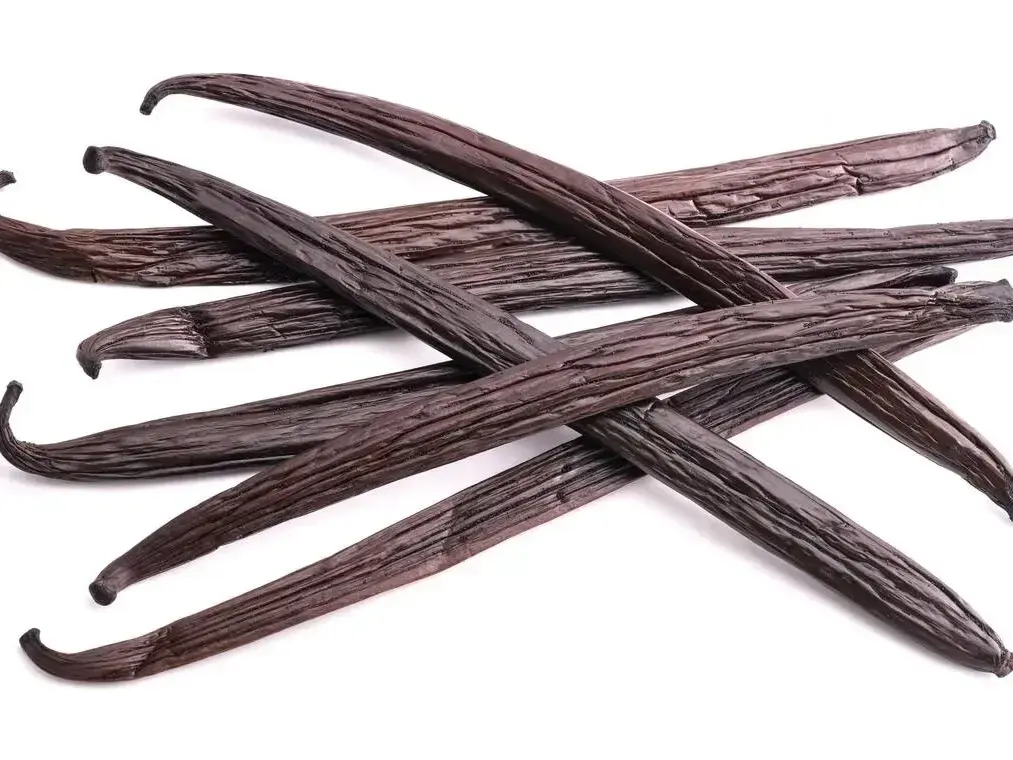
Small quantity vanilla export makes sense when you want to check aroma, moisture, grading, and appearance before buying more. It lowers risk for first-time buyers, supports product testing, and helps buyers compare Madagascar vanilla against Other origins without tying up too much cash.
Small orders are especially practical when you need a few sample packs, a starter lot, or Other smaller parts of a bigger vanilla sourcing plan. They also help when export handling matters more than price. A small shipment can show how the supplier packs, ships, and communicates before you scale.
Because logistics from Madagascar can make low-volume shipments harder, buyers should ask for consolidated packaging and complete paperwork. That helps the small batch move through export logistics with less delay. It also gives you a cleaner read on product quality.
What Small Quantity Orders Usually Include?
Small quantity orders usually include sample packs, graded beans, and export packaging made for trial order review. Buyers often get a few representative beans from one export grade, plus shipping documents that support supplier verification and quality inspection before a larger commitment.
When Wholesale Vanilla Beans Are the Better Choice?
Wholesale vanilla beans are the better choice when you need steady supply, better unit economics, and enough inventory for resale, manufacturing, or long-term contracts. In Madagascar, wholesale orders work best for buyers who already know the grade they need and can manage larger shipping commitments.

Wholesale works best once bean grade, moisture content, and curing style are already confirmed. In practice, that means you should know which export grades fit your product line, whether the lot is consistent, and how the supplier handles packing and shipping documents. That is where bulk vanilla export becomes more efficient than a trial order.
For buyers in Madagascar-facing trade, wholesale also makes sense when the business can handle longer lead times and wants a steadier pricing structure. When you are scaling, the lower per-unit cost often matters more than the extra commitment.
What Wholesale Buyers Should Confirm Before Ordering?
Vanilla Export Comparison Table by Order Size
The main difference between small quantity and wholesale vanilla export is the tradeoff between flexibility and price efficiency. Small orders move faster and carry less risk. Wholesale orders deliver better unit cost and supply stability for buyers who can commit to larger volumes.
| Order size | Lead time | Unit cost | Buyer profile |
|---|---|---|---|
| Small quantity | Often faster for sample order processing, though export handling can still add delay because paperwork is spread over fewer beans | Usually higher in typical ranges because freight, packaging, and documentation are less efficient per unit | First-time buyer, quality control team, or brand owner testing Madagascar vanilla before scaling |
| Wholesale | May take longer to prepare because bulk supply needs more export logistics planning and shipping confirmation | Lower in most typical cases due to better pricing structure and larger shipment efficiency | Importer, manufacturer, distributor, and long-term sourcing teams |
| Starter lot | Moderate lead time, often used as a bridge between sample packs and recurring procurement | Middle ground: not as high as a tiny trial order, not as efficient as a full container load | Buyer who wants proof of quality before a bigger commitment |
Across typical sourcing ranges, buyers see a simple pattern. The smaller the order, the more packing, documents, and supplier response matter. A small batch can expose quality issues early, while wholesale rewards planning and consistency. That is why vanilla sourcing should match your sales cycle, not only your target price.
In Madagascar, inventory can change with harvest timing and curing conditions, so lead time is not just a shipping issue. It can also show when the right bean grade is available and whether the supplier can build the right lot without mixing quality levels.
How Vanillababa Supports Fast Sample Orders and Wholesale Supply?
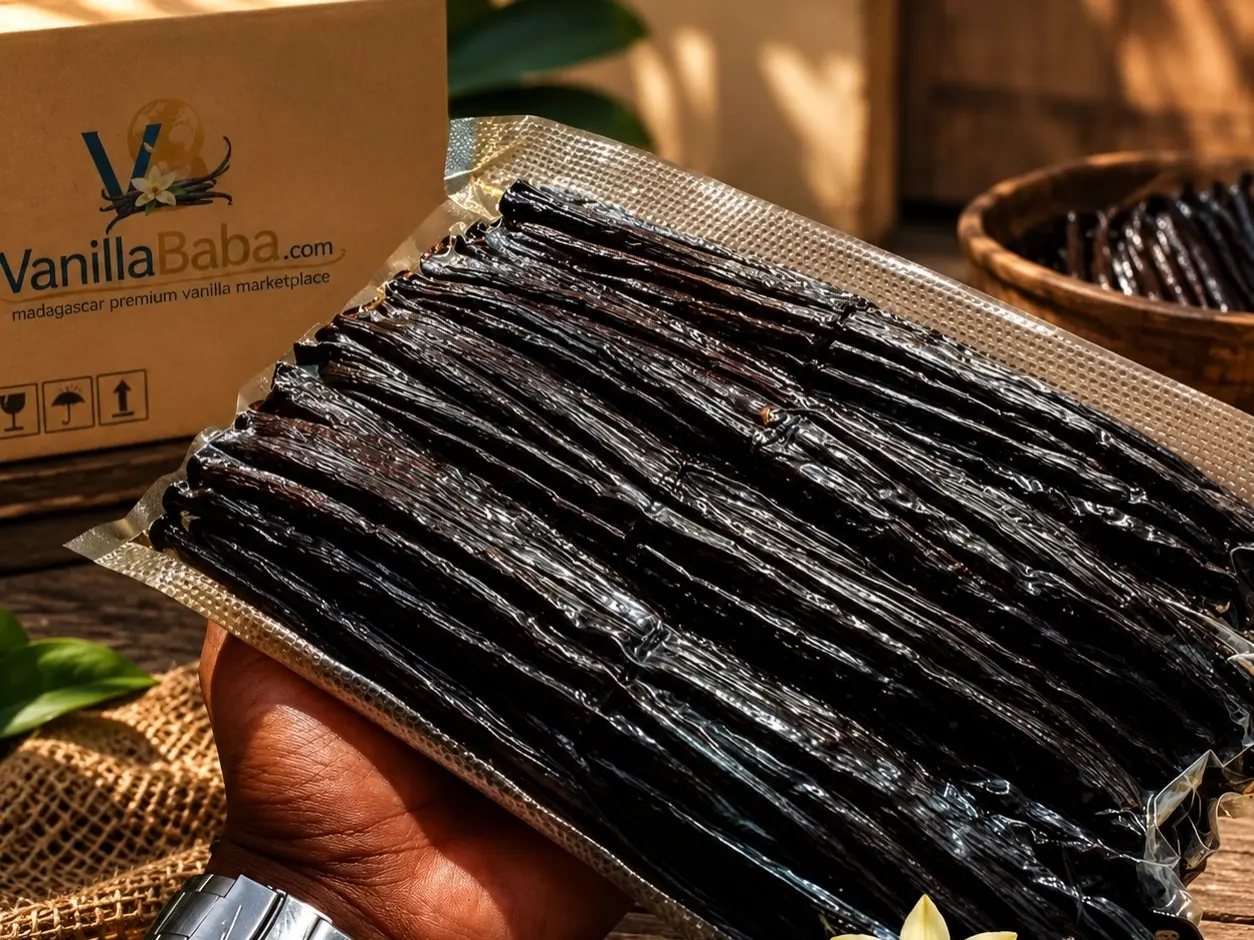
Vanillababa supports buyers with fast sample orders for testing and wholesale supply for scalable sourcing. This helps importers start with a small trial lot, check quality, and then move into larger Madagascar vanilla purchases once they trust the grade and export process.
For buyers who need speed, the team can help prepare a sample order with the right bean grade, clear packaging, and export handling that fits cross-border expectations. That is useful when you want to review aroma, moisture content, and visual quality before any larger commitment. For growing businesses, the same supplier can shift toward bulk supply and recurring procurement once the buying spec is set.
This approach also reduces friction in export logistics because the supplier is already set up to manage shipping documents, quality inspection notes, and supplier verification steps. In practice, that makes it easier to move from a trial order to a larger purchase without starting over. If you want to compare options or discuss your sourcing plan, use the contact page here:.
Frequently Asked Questions
Author: Randrianantenaina Landry
Related Resources
Cost Comparison: Grade A Gourmet Vanilla vs Grade B Vanilla (Madagascar Bourbon)
how much does Grade A vs Grade B Madagascar vanilla cost
What It CostsExport Pricing to China, Asia, Europe, America and UAE: Freight, Duties and Landing Costs
how much does it cost to export Madagascar vanilla to China/Europe/USA/UAE
What It CostsSmall Quantity vs Wholesale Vanilla Pricing: Per-Kg Breakpoints and MOQ Effects
how much does small quantity vanilla cost vs wholesale price per kg
What It CostsUrgent Shipments & Fast Sample Order Pricing: Expedited Logistics and Rush Fees
how much does expedited vanilla shipping and fast sample orders cost