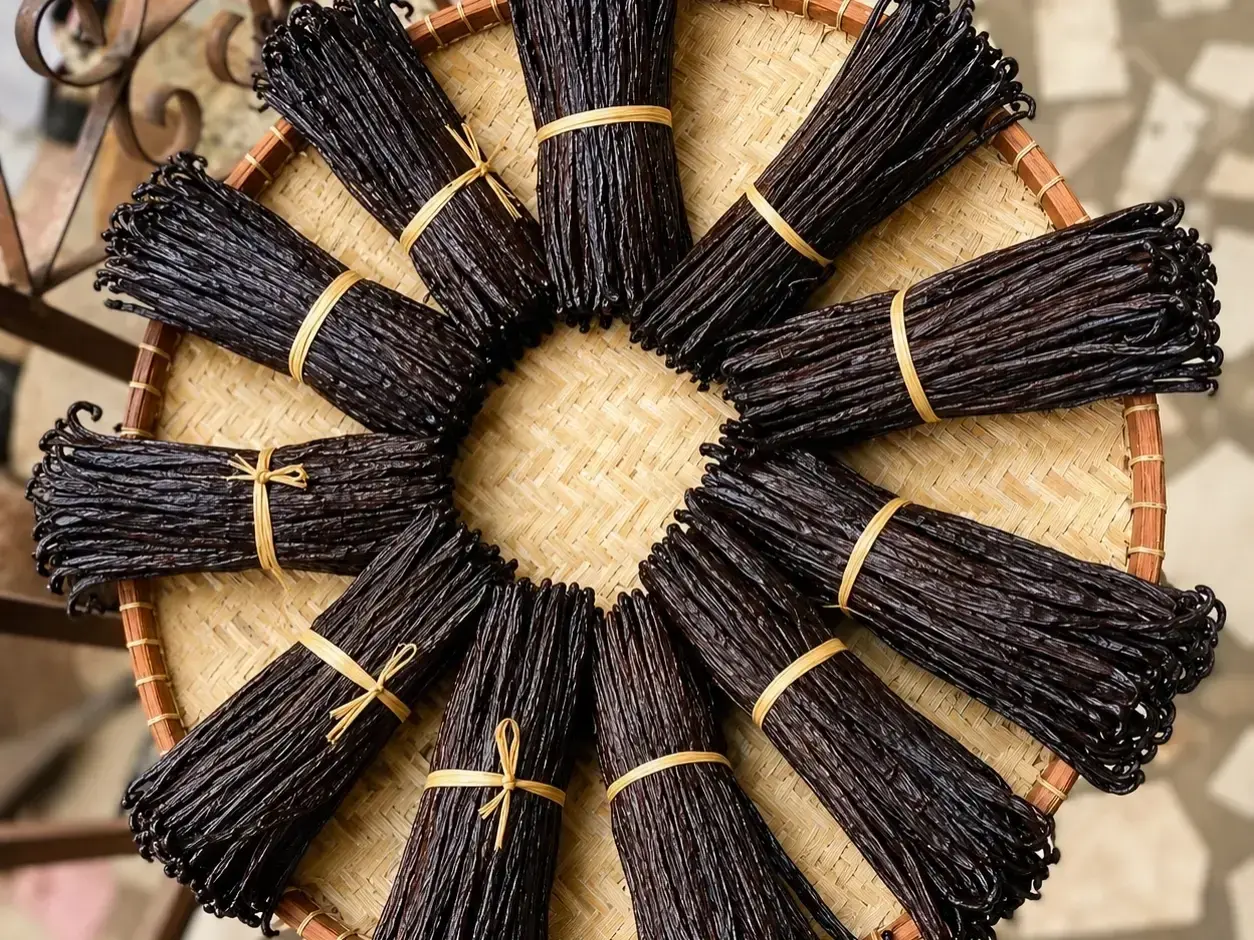
Exporting Vanilla from Madagascar: Required Permits & Licences
Exporters must obtain a phytosanitary certificate, export licence from the Malagasy customs authority (DGDDI), proof of origin (export declaration/Fiche d'Exportation), sanitary inspection clearance, and any destination-specific permits (e.g., China or EU import authorizations). Exporters pay fees, register with local authorities, and comply with CITES if applicable; meeting these requirements allows legal shipment of Grade A/B and Bourbon vanilla from Madagascar.
Quick compliance overview (TL;DR)
Start by registering with local trade authorities and get a phytosanitary certificate from Madagascar’s plant health service; then apply to DGDDI for the customs export licence and submit the certificate of origin / Fiche d'Exportation with the export declaration. Sanitary inspection and packing documentation (commercial invoice & packing list) must be ready before clearance. Destination rules (EU plant health, GACC for China) can add permits. Registration establishes your legal identity for trade compliance and is required before customs will process licences.
Prepare product and packing documentation. Front-loaded answer: complete a commercial invoice & packing list showing weights, grades (Grade A/B, Bourbon vanilla), and batch numbers. These meronyms are required with your export papers during customs inspection.
Request sanitary inspection and phytosanitary certificate. Front-loaded answer: schedule a sanitary inspection with the national phytosanitary authority; once passed, obtain the phytosanitary certificate (fitosanitaire) that accompanies shipments to EU and Other markets.
Complete Certificate of Origin / Fiche d'Exportation. Front-loaded answer: submit the export declaration form to customs (Fiche d'Exportation) to prove origin and enable the DGDDI export licence to be issued.
Apply for DGDDI export licence. Front-loaded answer: submit required documents (export declaration, phytosanitary certificate, commercial invoice) to DGDDI to obtain the customs export licence or export authorization.
Check destination rules. Front-loaded answer: verify EU plant health requirements or China’s GACC/AQSIQ controls and obtain any import permits or pre-clearance demanded by the buyer.
Coordinate shipment with a licensed agent. Front-loaded answer: ensure the forwarding agent is DGDDI-registered and holds local agent licences to lodge customs entries and handle inspections.
Licences, permits and checks—bullet lists
Front-loaded answer: exporters need a combination of national export permits, plant health documents, and destination-specific authorizations; below are the primary licence types and checks to expect.
- Export licence types — customs export licence from DGDDI, special permits for controlled goods, and any industry-specific authorisations; also called an export permit or export authorization.
- Phytosanitary documents — phytosanitary certificate issued by Madagascar’s plant health authority (fitosanitaire) after a sanitary inspection.
- Origin and customs paperwork — Certificate of Origin / Fiche d'Exportation and the export declaration used by customs to process the shipment.
- CITES and conservation checks — clearance where wild vanilla or protected orchid material is involved; assess whether CITES applies.
- Destination-specific checks — EU plant health compliance, and for China the GACC/AQSIQ documentation or import permits requested by the importer.
- Shipment documents — commercial invoice & packing list, airway bill/BL and any buyer-specific quality certificates.
What to verify before hiring an exporter/agent?
Front-loaded answer: confirm the agent is registered with DGDDI and holds valid local licences to act on your behalf; do not rely on verbal assurances. Below are key checks to perform.
- DGDDI registration — ask for proof of registration and licence number; confirm they can submit the export declaration and obtain the customs export licence.
- Local agent licences — verify the agent has sanitary and phytosanitary handling experience and can schedule inspections and obtain the phytosanitary certificate.
- Track record with EU and China shipments — confirm familiarity with EU plant health rules and China’s GACC procedures for vanilla imports.
- Document handling — ensure they prepare the commercial invoice & packing list, Certificate of Origin, and Fiche d'Exportation correctly.
- Insurance and liability — check their procedures for inspection failures, delays, and disputes over grade (Grade A/B, Bourbon vanilla).
Costs, processing times and common delays
Front-loaded answer: expect fees for phytosanitary certificates, DGDDI export licences, inspection costs and agent charges; typical timelines range from a few days to several weeks depending on inspections and season. Fee amounts vary by agency and shipment value; most cases fall into typical ranges rather than fixed prices. Phytosanitary certificates are usually issued within 1–10 working days after a passed inspection, while DGDDI processing can take 1–14 days depending on document completeness. Common delays include failed sanitary inspections, missing commercial invoice & packing list items, incomplete Fiche d'Exportation, or additional checks for CITES and destination-specific clearances (EU plant health checks or GACC review). Plan buffer time, keep organised records, and use a DGDDI-registered agent to reduce hold-ups.
Destination-specific notes: Europe and China
Front-loaded answer: the EU enforces strict plant health controls and documentation; China requires compliance with GACC (formerly AQSIQ) import rules and may request pre-clearance or additional testing. For the EU, ensure the phytosanitary certificate matches EU plant health regulations, declare any phytosanitary treatments, and supply the Certificate of Origin. Many EU importers also ask for traceability paperwork for Bourbon vanilla and grade confirmation (Grade A/B). For China, verify GACC requirements early—they may request inspection on arrival, prior registration of consignments, or specific labelling. CITES normally affects wild-collected orchid products; cultivated Bourbon vanilla is less likely to need CITES clearance, but confirm if any wild stock is present. Work with your buyer to confirm required permits before shipping to avoid rejection or quarantine at destination ports.
Contacts, templates and next steps
Front-loaded answer: contact DGDDI and the national phytosanitary authority to begin registration and certificate requests; below are key contacts and a sample export declaration template reference.
| Contact / Template | Use |
|---|---|
| DGDDI contact | Start export licence and customs registration processes via DGDDI—use /contact/ to reach official channels. |
| Phytosanitary authority | Schedule sanitary inspections and request the phytosanitary certificate (fitosanitaire) required for EU plant health compliance—use /contact/ for local office links. |
| Sample export declaration (Fiche d'Exportation) | Template to prepare the Certificate of Origin and export declaration; include commercial invoice & packing list details for customs filing and DGDDI review. |
Next steps: compile commercial invoice & packing list, confirm agent DGDDI registration, book sanitary inspection, and pre-check destination requirements with the importer. For assistance, use /contact/.
Frequently Asked Questions
Related Resources
Cost Comparison: Grade A Gourmet Vanilla vs Grade B Vanilla (Madagascar Bourbon)
What It CostsExport Pricing to China, Asia, Europe, America and UAE: Freight, Duties and Landing Costs
What It CostsSmall Quantity vs Wholesale Vanilla Pricing: Per-Kg Breakpoints and MOQ Effects
What It CostsHow Seasonality and Pre-Harvest Contracts Affect Vanilla Prices in Madagascar