Trusted Local Service Experts
Pros of buying wholesale (Madagascar suppliers)
Direct answer: wholesale gives cost savings and consistent supply at scale.
- Economies of scale — lower cost per kg when buying in bulk vanilla lots.
- Consistent supply — steady shipments reduce production interruptions for food manufacturers.
- Better leverage for long-term contracts and predictable contract terms with suppliers and logistics partners.
- Improved traceability and quality grading processes become cost-effective at higher volumes.
Cons of buying wholesale
Direct answer: wholesale increases inventory risk and requires larger capital outlay.
- Inventory risk — holding large stocks affects cashflow and shelf life management.
- Minimum order quantities — MOQs can lock buyers into volume commitments they may not need.
- Higher operational maintenance such as storage, inspections, and coordination with freight forwarders.
- Longer lead time before first shipment due to aggregation and export documentation.
When small-quantity exports are the better choice?
Direct answer: pick small-quantity vanilla when you need flexibility, fast sample orders, or to test a niche market quickly.
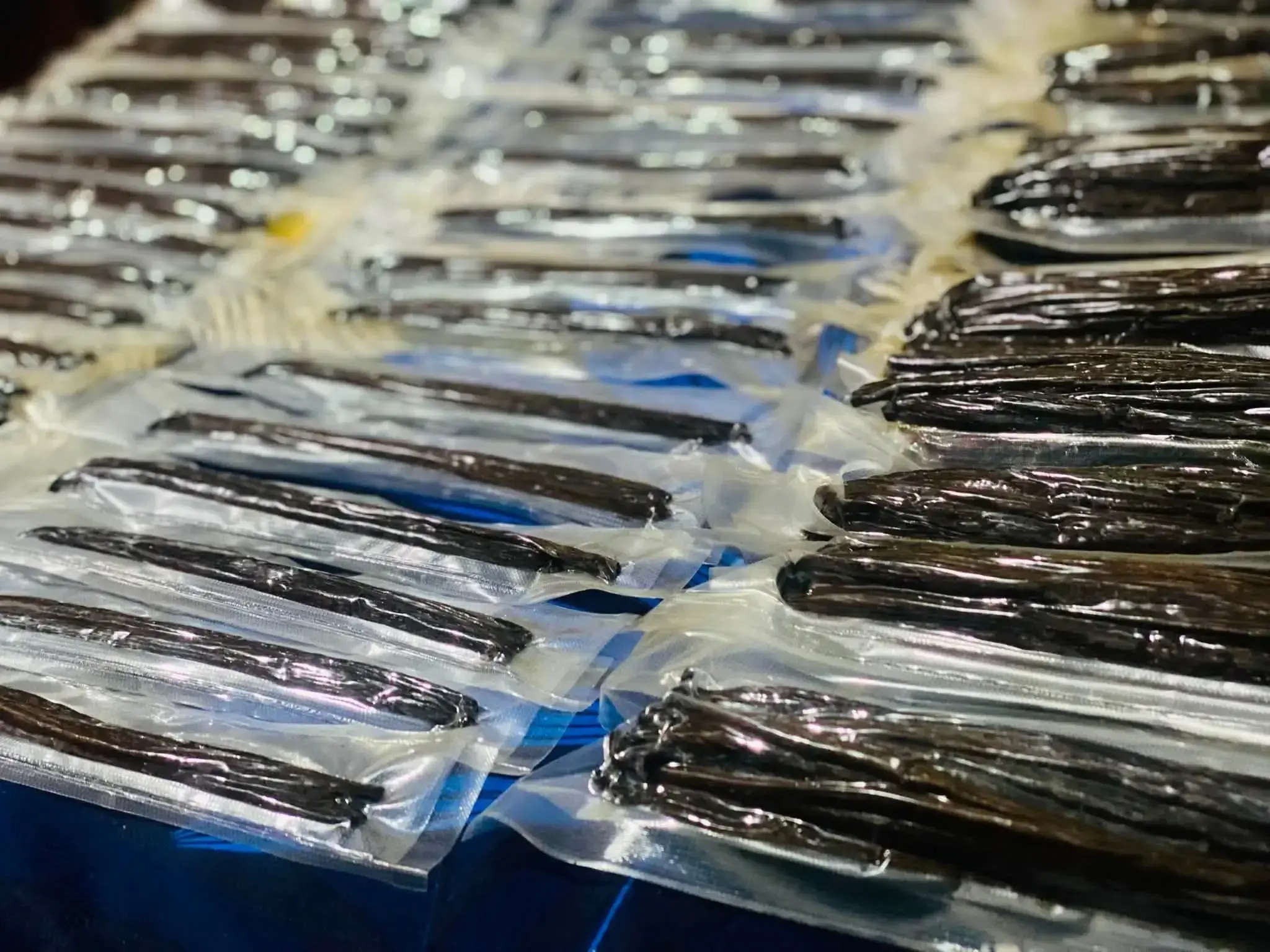
Small quantity vanilla is the alternate supply model for buyers who value agility. If you want to run trials, check shelf life, or present samples to niche buyers, small-batch vanilla keeps upfront costs low. Fast sample orders are a core service for conversion: you can get cured vanilla beans or extract grade beans shipped quickly for tasting and product development. This model reduces minimum order quantity pressure and lowers the initial investment, helping brands test flavors, packaging, or formulations. Vanillababa offers buyer portal access and quality control reports even for small shipments, and handles export documentation and logistics so testing is practical without long lead time commitments.
Pros of small-quantity exports
Direct answer: small-quantity orders give flexibility and lower upfront cost.
- Flexibility — order small batches for market testing or recipe development.
- Lower upfront investment — reduced capital tied in inventory and lower financial risk.
- Faster sample orders help close deals with niche buyers and speed product validation.
- Less maintenance for storage and simpler logistics when volumes are small.
Cons of small-quantity exports
Direct answer: small batches cost more per kg and may not meet larger demand.
- Higher unit cost — per-kg price is typically higher than bulk vanilla purchases.
- Limited volume availability — not ideal if you need steady supply for large production runs.
- Repeat orders increase logistics cost and may complicate traceability if batches vary.
Operational checklist & buyer portal advantages (how Vanillababa supports each model)
Direct answer: Vanillababa’s checklist and buyer portal streamline quality control, shipping timeline, and sample order handling for both models.
- Buyer portal access — monitor orders, agree contract terms, and request quality grading certificates in one place.
- Quality control—pre-shipment inspections and traceability records for cured vanilla beans or green vanilla beans to protect shelf life and standards.
- Fast sample orders—prioritized handling and export documentation so you can receive small-batch samples quickly for market testing.
- Logistics coordination—work with a vetted freight forwarder, track lead time, and view shipping cost estimates before committing.
- Inventory & maintenance guidance—best practices for storage, humidity control, and inspections to reduce spoilage and maintain export quality.
- Contract management—tools for signing long-term contracts or ad-hoc purchase orders depending on your chosen supply model.
Decision framework: Which model should your Madagascar business pick?
Direct answer: base your choice on expected business volume, cashflow capacity, and need for market testing.
Start by asking: do you need steady monthly volumes? If yes, pick wholesale vanilla beans to lower unit cost and secure supply. If you have limited cashflow or want to test flavors with niche buyers, choose small quantity vanilla and use fast sample orders to validate demand. Consider logistics: long-term buyers can amortize freight forwarder costs and storage; test buyers should prioritize buyer portal access and quick shipments. Factor in sustainable sourcing and traceability: both models can meet standards, but wholesale often scales quality grading more efficiently. Use Vanillababa’s portal to compare typical cost per kg ranges, review lead time estimates, and pick the model that gives the best immediate ROI for your operation.
Frequently Asked Questions
Author: Randrianantenaina Landry
images/image-h-9.webp
/contact/
Related Resources
Cost Comparison: Grade A Gourmet Vanilla vs Grade B Vanilla (Madagascar Bourbon)
What It CostsExport Pricing to China, Asia, Europe, America and UAE: Freight, Duties and Landing Costs
What It CostsSmall Quantity vs Wholesale Vanilla Pricing: Per-Kg Breakpoints and MOQ Effects
What It CostsUrgent Shipments & Fast Sample Order Pricing: Expedited Logistics and Rush Fees