Sample Orders & Buyer Portal Checklist for Vanilla in Madagascar
Vanillababa provides a vanilla sample order checklist and buyer-portal workflow that prepares fast samples for international buyers in Madagascar by listing Before/During/After steps, buyer-portal submission fields, and compliance checks.
Quick Overview: Purpose and Scope (Madagascar)
This page gives a short, practical guide to prepare a vanilla sample order from Madagascar using Vanillababa to reduce lead time and clear the buyer portal quickly. The semantic aim: Vanillababa vanilla sample orders enable fast sample preparation and buyer-portal submission for international buyers in Madagascar.
Before: Pre-Shipment Checklist (5-8 steps)
- Confirm sample specification: Note grade, curing grade, moisture target, and minimum viable quantity. Record curing notes for traceability and quality control.
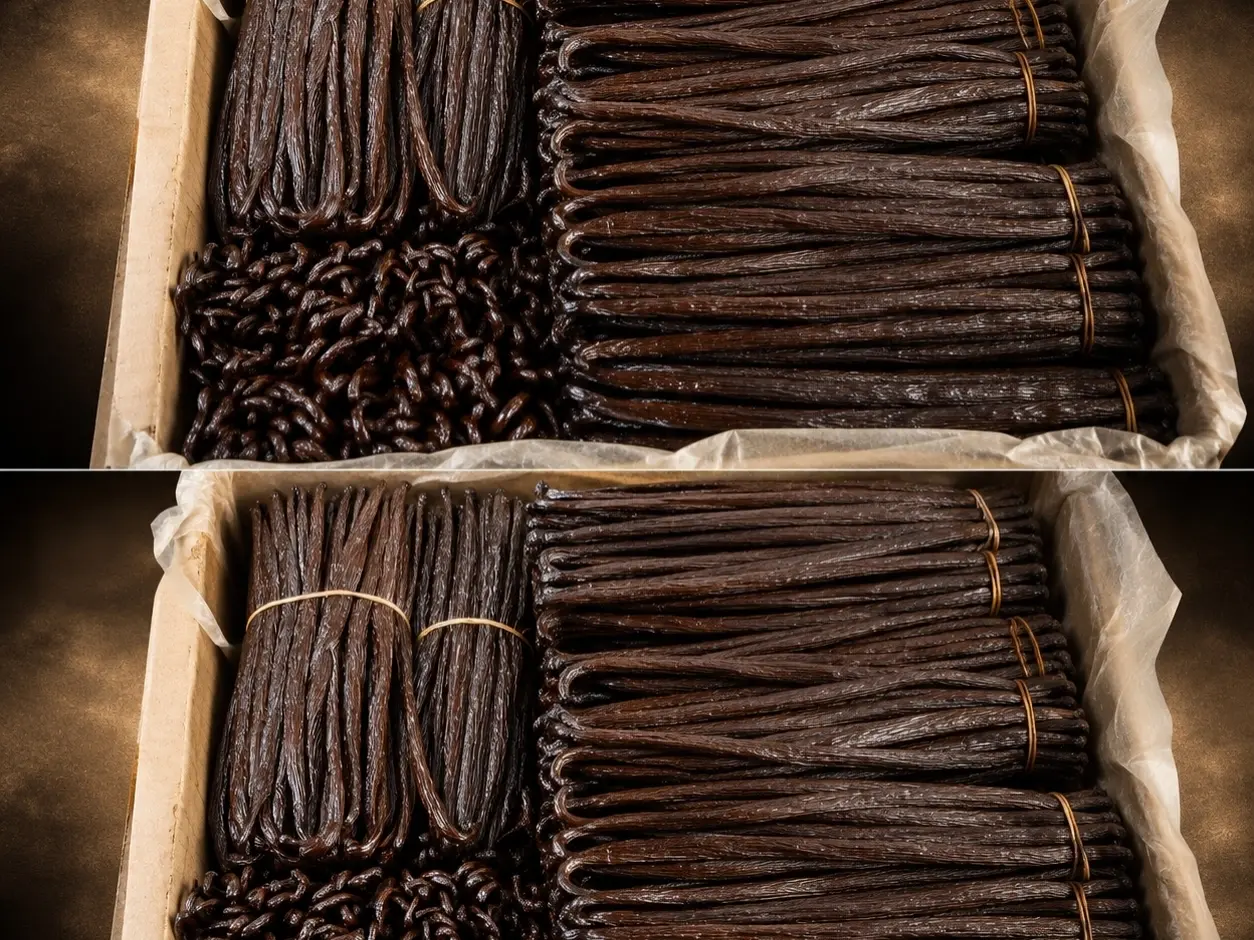
- Select pods for the vanilla sample order that match buyer expectations; check for even sizing and consistent aroma.
- Run a pre-shipment inspection (pre-shipment inspection is a common hyponym) to detect damage, contamination, or off-grade pods.
- Prepare a simple packing list and a sample label that lists grade, lot number, and certificate of origin details.
- Gather compliance documents: export permit, phytosanitary certificate, and any requested lab reports for quality control and phytosanitary checks.
- Decide on logistics: choose air freight / courier service, estimate sample lead time, and note typical transit windows (illustrative ranges: 2–7 days by air courier to major hubs).
- Create sample photos and a short product sheet for the buyer portal; include curing notes and moisture figures for traceability.
- Confirm incoterms for the sample (typical: DAP or FCA) so the buyer portal and packing list reflect responsibilities.
During: Packing, Labelling & Portal Submission (5-8 steps)
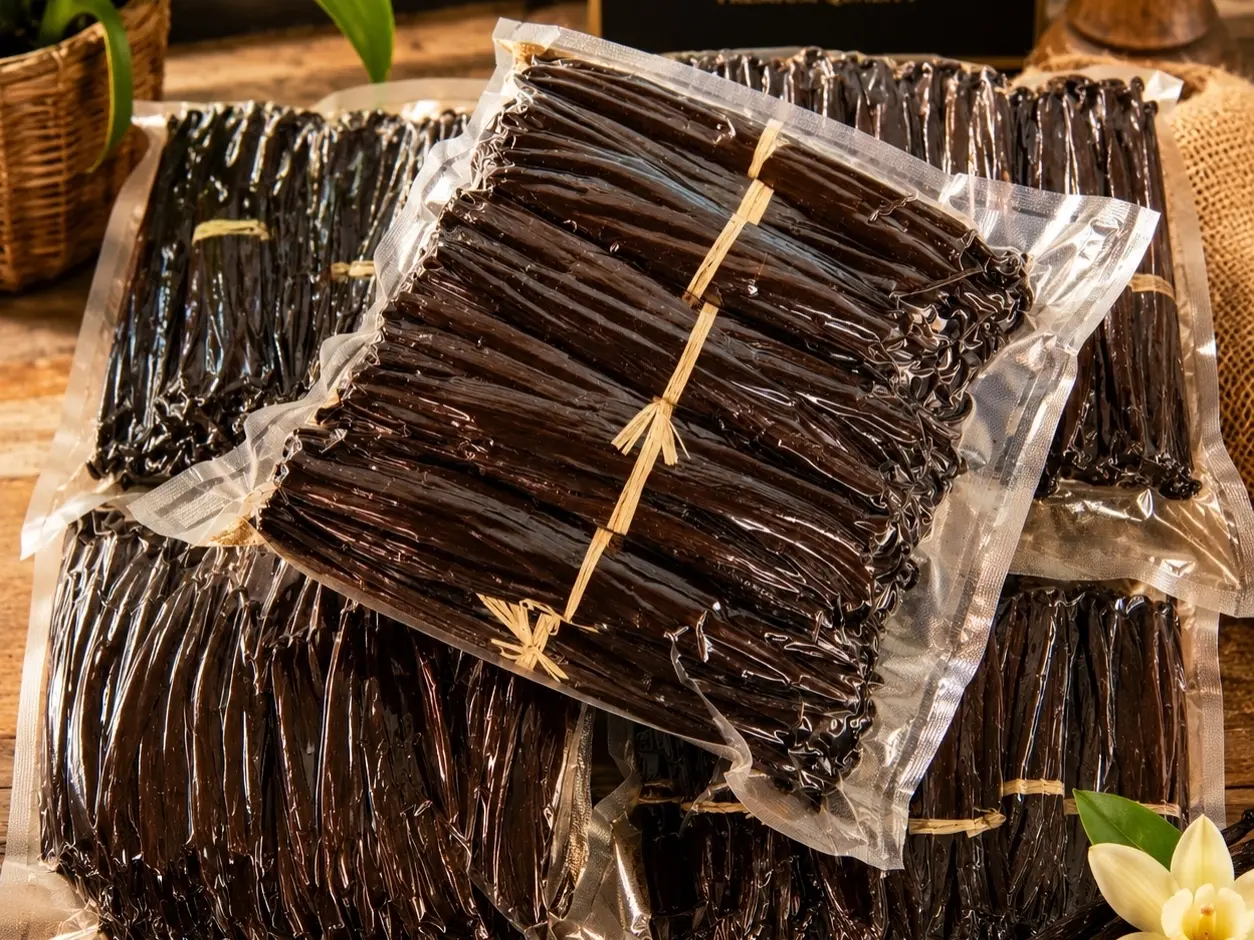
- Pack to protect aroma and prevent contamination: use clean foil, desiccant if needed, and sealed secondary packaging to avoid moisture shifts during air freight.
- Attach a clear sample label and a copy of the packing list to the outer box; include the certificate of origin and export permit in the shipment pouch.
- Photograph the packed sample and each pod for the buyer portal upload—include close-ups showing curing grade and moisture where possible.
- Log into buyer portal access and complete the submission form: fill sample specification fields, attach sample photos, and upload the packing list and compliance documents.
- Use the portal to state sample lead time, minimum viable quantity, and requested testing (if buyer wants lab checks); confirm incoterms and contact for tracking number updates.
- Print and include one physical packing list inside the box and one taped to the exterior; ensure meronyms like packing list and sample label are visible for customs.
- Book the chosen air courier and enter provisional air freight details into the buyer portal; save the booking reference and expected pickup window.
- Double-check that the buyer portal record matches the physical packing list and that traceability fields (lot number, origin district) are complete.
After: Shipping, Tracking & Feedback (5-8 steps)
- Confirm pickup with the air freight / courier and note the tracking number immediately in the buyer portal and your records.
- Send the buyer a tracking link and expected delivery window; typical transit is an illustrative range of 2–10 days depending on connections.
- Monitor customs clearance; have the phytosanitary certificate and packing list ready for any queries to avoid delays.
- When the buyer receives the sample, request timely customer feedback through the portal or email form to capture taste, aroma, and packing comments.
- Record feedback and update your quality control notes and traceability log for that lot to improve future sample orders.
- If rejected, log reasons (mislabelling, contamination, unacceptable curing grade) and propose corrective steps or offer a replacement sample.
- Close the buyer portal case once payment (if any) and feedback are resolved; keep certificate copies and tracking proof for your export file.
- Review the sample lead time and adjust internal planning to reduce future turnaround; track sample photos, packing list versions, and courier reliability.
Buyer Portal Fields & Sample Upload Table
Start with a front-loaded answer: fill the buyer portal fields that identify the lot, attach the packing list, and upload clear sample photos for fast approval.
| Field | What to enter | Why it matters |
|---|---|---|
| Buyer portal access / Account ID | Portal login, company name | Links submission to the buyer and allows updates to tracking number |
| Sample photos | Close-ups of pods, box, and label | Visual proof of curing grade and absence of contamination |
| Sample specification | Grade, moisture %, curing notes, quantity | Defines quality control standards and buyer expectations |
| Packing list | Upload PDF and list components | Customs and courier need this; it is a meronym of the shipment |
| Compliance documents | Export permit, phytosanitary certificate, certificate of origin | Needed for customs clearance and buyer acceptance |
| Logistics details | Air freight courier, pickup date, expected transit | Helps the buyer plan and reduces hold-ups |
| Tracking number | Enter once provided | Enables real-time tracking and reduces inquiry load |
Use this table as a simple buyer-portal submission form checklist to ensure no important field or document is missed.
3-4 Red Flags to Stop the Sample
- Contamination found on pods (mold, foreign matter) — stop and re-inspect before packing.
- Mislabelling or mismatch between packing list and buyer portal entries—pause submission and correct.
- Missing phytosanitary certificate or export permit when destination requires it—do not ship until documents are ready.
- Pods that fail declared curing grade or moisture targets—regrade and reselect to protect reputation.
Compliance, Customs & Madagascar-Specific Notes
Front-loaded answer: ensure an export permit and a valid phytosanitary certificate are in place before sending a vanilla sample to most international markets. Madagascar exporters must confirm export permit rules at local offices and follow phytosanitary testing for live plant product rules.
Vanillababa helps assemble the certificate of origin, packing list, and any requested lab reports. For customs, include the packing list and the phytosanitary certificate with the shipment and upload them to the buyer portal to speed clearance. Traceability is important: record lot number, farm of origin, and curing batch in your export file. Use the correct incoterms and note that air freight / courier carriers often require the phytosanitary and export permit at pickup. Typical sample lead time from pickup to buyer delivery varies; most projects fall between 2–10 days depending on routing. Maintain quality control logs and sample photos to resolve customer feedback quickly, and keep copies of all certificates for future audits.
Frequently Asked Questions
Author: Randrianantenaina Landry
Vanillababa—service provider (local exporter based in Madagascar) supports exporters with export logistics and buyer-portal guidance. images/image-h-47.webp
To take the next step, use the buyer portal and include all documents listed above. Get a Free Estimate
Contact: /contact/
Related Resources
Small Quantity vs Wholesale Vanilla Pricing: Per-Kg Breakpoints and MOQ Effects
What It CostsUrgent Shipments & Fast Sample Order Pricing: Expedited Logistics and Rush Fees
How It WorksSourcing & Contracting Process for Vanilla Export: Pre-harvest Contracts and Supplier Verification
How It WorksOrder Management & Buyer Fulfilment Process for International Vanilla Purchases