What is Vanilla Transportation?
Vanilla Transportation is the process of moving vanilla beans from harvest sites to processing facilities, markets. Or international destinations while maintaining quality and freshness. It involves careful handling, controlled environments. And logistics planning to prevent spoilage or damage. This step is crucial for ensuring that vanilla meets buyer standards and retains its flavor and aroma. Transportation methods vary based on distance, climate. And regulatory requirements. Proper Vanilla Transportation supports the global vanilla supply chain and maintains product integrity.
Quick Facts About Vanilla Transportation
Category
Supply chain logistics
Used for
Moving vanilla beans to markets or processing
Common confusion
Confused with vanilla processing or storage
Also called
Vanilla Shipping, Vanilla Movement
Often discussed with
Export vanilla to Europe, Export vanilla to Asia
Key Takeaways About Vanilla Transportation
- Vanilla Transportation involves moving beans from harvest to processing or export.
- It requires controlled environments to prevent spoilage or damage.
- Proper methods maintain flavor, aroma.
- Transportation choices depend on distance, climate.
- This process supports the global vanilla supply chain.
Understanding Vanilla Transportation
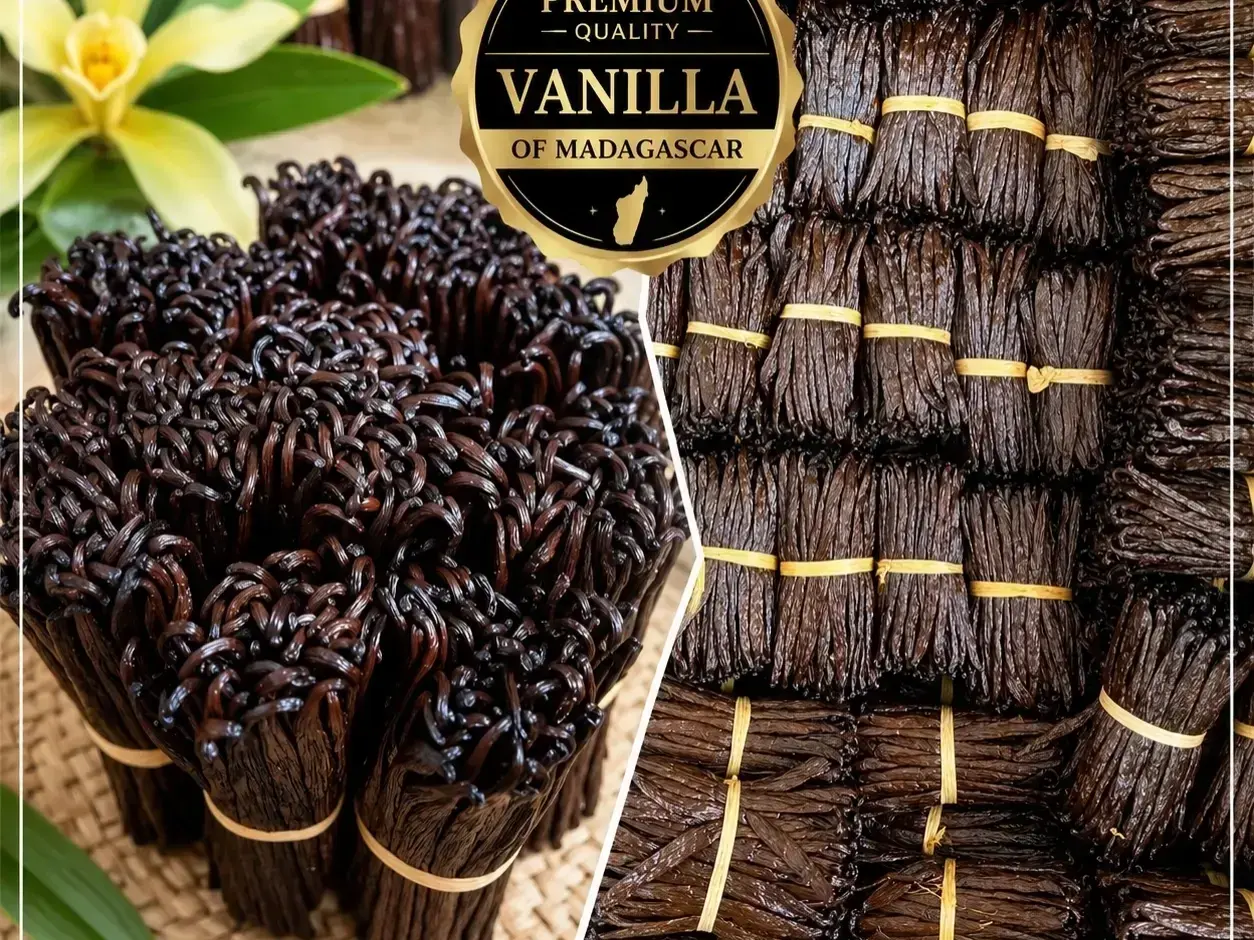
Vanilla Transportation is a critical phase in the vanilla supply chain. It ensures the safe and efficient movement of vanilla beans. The beans travel from their origin to final destinations. This process starts immediately after harvesting. The beans are still fresh and need careful handling. The goal is to keep their quality, flavor, and aroma. Vanilla Transportation includes sorting, packaging, and choosing transport methods. These methods can be road, air, or sea freight. The choice depends on distance and urgency. The process must follow regulations. It ensures the beans meet international quality requirements.
Related glossary terms: Vanilla Export, Vanilla Logistics, Vanilla Distribution.
One challenge in Vanilla Transportation is maintaining the right environment. Vanilla beans are sensitive to temperature, humidity. And light. These factors can harm their quality. So transport vehicles and storage must have climate control. This prevents spoilage. The process must also reduce physical damage. Damage can happen during loading, unloading. Or transit. Specialized handling and trained workers help. They keep the beans intact and undamaged. Vanilla Transportation is very important. It affects the final product's quality and marketability.
How Vanilla Transportation Works, Is Measured, or Is Used?
Vanilla Transportation follows a structured workflow. It starts with collecting harvested beans. After harvesting, the beans are sorted, graded, and packaged. This helps preserve their quality. Then the best transportation method is chosen. The choice depends on distance, cost, and time. For short distances, road transport is used. For longer distances, air or sea freight is better. Each method has its own requirements and challenges. These must be managed well. This ensures the beans arrive in good condition.
The effectiveness of Vanilla Transportation is measured in several ways. It looks at the beans' condition when they arrive. It also checks how long the transit takes. Compliance with quality standards is important. These metrics help evaluate the process. They show how efficient and reliable it is. The cost of transportation is a big factor. It affects the profitability of the vanilla trade. Companies use logistics software and tracking systems. These tools monitor the beans in real-time. They help make timely changes if needed. This ensures the beans reach their destination without quality loss.
Why Vanilla Transportation Matters?
Vanilla Transportation is vital in the global vanilla trade. It ensures high-quality beans reach international markets. The process affects the beans' flavor, aroma. And overall quality. These are important for meeting buyer expectations. Poor transportation can cause big losses. It harms product quality and financial returns. So investing in reliable methods is key. It helps keep the vanilla supply chain strong.
Vanilla Transportation also impacts the economy and environment. Efficient transport lowers the carbon footprint. This is important in today's eco-friendly market. It helps local economies too. Farmers and producers can reach global markets. They get fair pay for their work. Sustainable practices help the industry meet goals. These goals include environmental and economic improvements.
When Vanilla Transportation Matters Most?
Vanilla Transportation is most important during high demand. It is also critical when sending beans to strict markets. For example, exporting to countries with strict rules is harder. The process must meet specific requirements. This includes proper temperature and humidity. It also needs to follow customs and paperwork rules. Any mistakes can lead to rejected shipments. This causes financial loss and bad reputation.
- High demand periods
- Exporting to regulated markets
- Transporting to distant locations
How to Evaluate Vanilla Transportation?
- Check if beans arrive in good condition without damage or spoilage.
- Verify that transportation methods meet quality and safety standards.
- Assess the time taken for transit and its impact on product quality.
- Ensure compliance with customs and documentation requirements.
- Evaluate the cost-effectiveness of the transportation process.
Related Concepts Compared
Vanilla Transportation vs. Vanilla Logistics
Vanilla Logistics refers to the broader management of supply chain activities, while Vanilla Transportation focuses specifically on moving the beans.
Vanilla Transportation vs. Vanilla Distribution
Vanilla Distribution involves the delivery of products to end-users, whereas Vanilla Transportation is about moving beans from harvest to processing or export.
Expert Note
Efficient Vanilla Transportation requires careful planning and execution to maintain product quality and meet market demands.
Common Mistakes or Myths About Vanilla Transportation
- Assuming all transportation methods are equally effective for vanilla.
- Neglecting to monitor environmental conditions during transit.
- Overlooking the importance of proper packaging for protection.
- Failing to comply with international transportation regulations.
Vanilla Transportation in Practice: A Real-World Example
A vanilla farmer in Madagascar packages harvested beans in climate-controlled containers and arranges for sea freight to a buyer in Europe, ensuring the beans arrive fresh and undamaged.
Sources & Further Reading on Vanilla Transportation
- International Vanilla Association
- FAO Guidelines on Agricultural Transportation
Related Services
Related Terms
Vanilla Export
Vanilla Export is the process of shipping vanilla beans or vanilla products from Madagascar to international…
Vanilla Logistics
Vanilla Logistics is the coordinated process of managing the transportation, storage, And handling of vanilla beans…
Vanilla Distribution
Vanilla Distribution is the process of transporting, storing, And delivering vanilla beans from producers to buyers…
Vanilla Quality Control
Vanilla Quality Control is a systematic process that ensures vanilla beans meet specific standards for aroma…
Vanillababa
Have Questions About Vanilla Transportation?
Contact Vanillababa for practical guidance on Vanilla Transportation and related vanilla export work in Madagascar.